 EN
EN

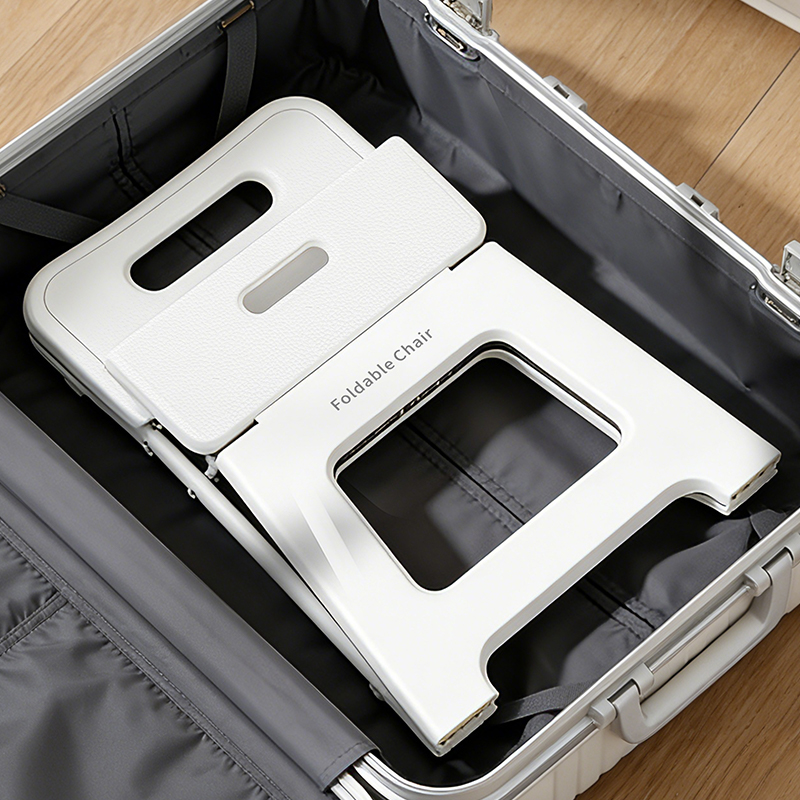
Why Foldable Stool Dimensions Determine True Backpack Compatibility
The 15-Inch Rule: Measuring Real-World Folded Size for Standard Backpack Pockets
Most backpacks have side pockets that can only hold items up to around 15 inches long according to tests done by Outdoor Equipment Digest last year. When camp chairs get bigger than that, hikers end up having to strap them outside the pack which throws off balance and makes walking uncomfortable. Better to look for chairs that fold down to something like 14 or 14.5 inches maximum. That leaves enough room for fabrics to bunch up a bit when compressed inside the compartment without causing problems during travel. A little extra space goes a long way when packing efficiently for multi-day trips.
Frame Geometry & Joint Engineering: How Smart Folding Reduces Footprint Without Compromise
The latest folding tech like rotating joints and those clever nested legs can cut down on space needed for storage by around 30% when compared to regular hinges, all while still holding over 300 pounds. According to some recent studies published last year in the Journal of Outdoor Engineering, hexagonal frames angled at about seven degrees fit better inside round backpack pockets without making the whole setup unstable. The real advantage here is how these designs prevent parts from sticking out where they might catch on other gear when someone reaches into their pack, plus there's no annoying rubbing against fabric that wears things down over time. Most campers will appreciate not having to deal with those little frustrations after a long hike.
Lightweight Foldable Stool Construction: Balancing Strength, Weight, and Durability Under 4 lbs
Aluminum 7075 vs. Carbon Fiber: Material Tradeoffs for the Ideal Foldable Stool Weight (3.2–3.9 lbs)
What materials we choose really affects how things perform when put to work in actual conditions – think about strength, weight, how long they last, and overall value over time. Take Aluminum 7075 for instance; this is one of those alloys used extensively in aerospace applications because it can handle serious loads, around 300 to 350 pounds actually, while resisting corrosion and dents even in harsh environments where moisture is constantly present. Weighing somewhere between 3.6 and 3.9 pounds gives it just enough heft without being too heavy, yet still maintains its structural integrity through multiple compression tests and despite fluctuating temperatures that might otherwise weaken other materials.
Carbon fiber frames weigh between 3.2 and 3.5 pounds which makes them much lighter than traditional options, plus they handle vibrations better too something riders really appreciate when tackling rough terrain filled with rocks and roots. But there are downsides worth considering. How well these frames withstand impacts actually relies a lot on the quality of resin used during manufacturing and whether the layers were properly aligned. Sometimes even small hits from sharp objects can lead to hidden damage inside the frame that looks fine at first glance but weakens over time. And let's not forget about price tag differences either. Making carbon fiber products is complicated business, so expect to pay anywhere from 40 to maybe even 60 percent more compared to similar aluminum models available on market today.
| Property | Aluminum 7075 | Carbon Fiber |
|---|---|---|
| Avg. Weight | 3.6–3.9 lbs | 3.2–3.5 lbs |
| Load Capacity | 300–350 lbs | 275–325 lbs |
| Impact Resilience | High (dents visibly, no hidden failure) | Moderate (risk of subsurface delamination) |
| Cost Premium | None | 40–60% higher |
Ultralight-focused hikers gain measurable efficiency with carbon fiber’s weight savings, while durability-driven users—especially those tackling multi-season or high-abrasion trails—often prefer aluminum’s consistent, field-proven toughness.
Carry Integration: How Foldable Stool Attachment Systems Work With Modern Backpacks
D-Rings, MOLLE, and Compression Straps: Seamless Carry Options for Every Foldable Stool
Backpacks these days come with all sorts of modular features built right in, and foldable stools work best when they fit into this system. Those little D rings? They're pretty handy actually. They give solid anchor points for clipping things like carabiners or webbing straps. This lets folks mount stuff externally on either the back panel or those bottom loops without having to mess with what's already packed inside. Compression straps are another good feature. When tightened properly around a folded stool, they really cut down on movement during transport while also making the whole package smaller overall. And then there's MOLLE webbing which offers something special too. Specialized cords can be threaded through the grid pattern, spreading out the weight more evenly across the backpack frame. This makes a real difference when hiking over rough ground where balance matters most.
Internal storage takes up space we really need and makes getting things out slower. External mounting solves this problem by keeping all our cargo room intact while still letting us grab the stool quickly, usually in about three seconds flat. Good quality stools tend to have those strong but small loops plus hooks placed evenly around them so they work well with these kinds of systems. When properly mounted, they stay put during long hikes without making noise or coming loose, something backpackers know is crucial after covering hundreds upon hundreds of miles on trails.
Field-Tested Performance: When a Foldable Stool Delivers Real Backpacking Value
Pacific Crest Trail Case Study: Deployment Frequency, Terrain Adaptability, and Long-Term Reliability
Stretching 2,650 miles across rugged terrain, the Pacific Crest Trail puts backpacking gear through its paces like no other route. Equipment faces everything from drastic elevation changes to rough trails, sudden downpours, and constant wear and tear day after day. Looking at notes from around 120 hikers who completed the whole trail, there's clear evidence that portable stools get used anywhere from three to five times each day. That's way more frequent than regular sit pads or just sitting directly on the ground. These numbers point to how important these little chairs really are when it comes to managing tired legs and making camp life run smoother during long hikes.
Terrain-specific performance was decisive in long-term adoption:
| Challenge | Performance Requirement | Effective Design Response |
|---|---|---|
| Rocky inclines | Stability on uneven surfaces | Non-slip foot grips + wide base |
| Soft desert sands | Load distribution | Oversized base plates |
| Wet forest floors | Corrosion resistance | Powder-coated aluminum joints |
The stools featuring those reinforced stainless steel hinge pins along with 15D plus ripstop fabric on the seats held up remarkably well over five straight months of constant use, which really proves they work as dependable seating solutions without fail. No need for extra spares or backup options anymore since these things just keep going strong season after season. This reliability means backpackers save real weight in their packs while making packing itself much easier when heading out no matter what kind of weather might be coming.
FAQ
Why are foldable stool dimensions crucial for backpack compatibility?
Foldable stool dimensions are important because most backpack side pockets can only hold items up to around 15 inches long. If a chair is larger, it has to be strapped outside the pack, affecting balance and comfort during hikes.
What are the benefits of advanced folding technology?
Advanced folding technology, such as rotating joints and nested legs, reduces storage space required by up to 30% without compromising weight capacity. This helps prevent parts from sticking out and catching on other gear.
What material is preferred for lightweight foldable stools?
Aluminum 7075 and carbon fiber are highly favored, with aluminum known for its durability and carbon fiber preferred for its lightweight properties. Both materials offer unique advantages in strength and resilience.
How do foldable stools integrate with modern backpacks?
Foldable stools can be easily integrated with modern backpacks using D rings, MOLLE webbing, and compression straps, allowing for efficient external mounting and reducing space usage inside the backpack.
What has field testing on the Pacific Crest Trail shown about foldable stools?
Field testing on the Pacific Crest Trail has shown that portable stools are used very frequently, up to five times a day, emphasizing their importance in managing fatigue and improving camp life throughout long hikes.
Table of Contents
- Why Foldable Stool Dimensions Determine True Backpack Compatibility
- Lightweight Foldable Stool Construction: Balancing Strength, Weight, and Durability Under 4 lbs
- Carry Integration: How Foldable Stool Attachment Systems Work With Modern Backpacks
- Field-Tested Performance: When a Foldable Stool Delivers Real Backpacking Value
- FAQ