 EN
EN

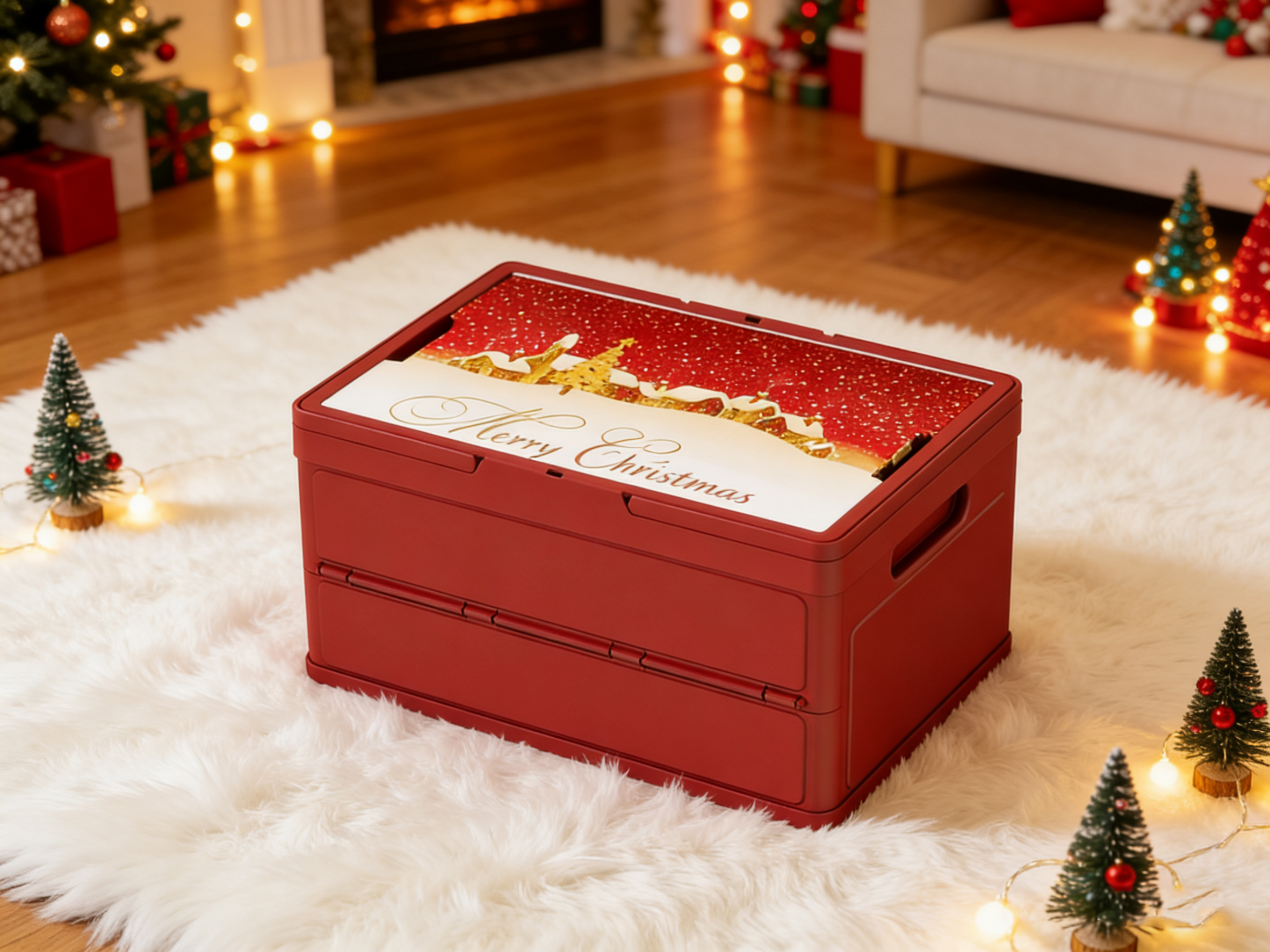
Functional Excellence of the Foldable Storage Box
Structural Integrity and Reliable Collapse/Assembly Mechanics
These foldable storage boxes stay strong thanks to special materials like reinforced polypropylene or thick double-walled cardboard that can hold around 30 kg before bending out of shape. The panels are cut very precisely and connected with clever hinges so they fold flat in just one smooth motion and snap back together again in less than ten seconds most of the time. No need to read any complicated instructions when setting them up. The corners have extra reinforcement to stop them from ripping after being flattened many times, which happens quite often with regular boxes. People also notice better grip because of the textured surfaces on certain parts, making it easier to handle when switching between stored and folded positions. According to research published by the Packaging Institute last year, this kind of design actually cuts down on breakdowns by about 40 percent after over 100 uses compared to older models. That means items like groceries, office supplies, or even important papers stay safely contained inside without anyone having to struggle with tricky assembly every single time.
Flat-Pack Efficiency: Reducing Logistics Costs and Enhancing Shelf-to-User UX
When folded up, these storage boxes take up about 70 to 80 percent less room compared to regular ones, which cuts down on shipping costs big time. What this means is that each pallet can hold three times as many boxes, cutting freight bills by around a quarter and slashing carbon emissions too, according to some recent research from Logistics Journal in 2024. Stores love them because they save so much space on shelves - twelve of these little boxes fit where only three normal boxes would go. People who buy them get something light to carry around and put together without any hassle. The whole flat pack idea solves that annoying problem where storage containers themselves need storage space when not in use. Just stuff the empty ones under the bed or throw them into a closet until needed again. For online retailers, everything gets faster at the warehouse since workers spend 30% less time dealing with packaging. Faster processing means quicker deliveries and better overall operations for everyone involved.
Decorative Versatility and Brand-Aligned Print Expression
Premium Surface Treatments: Embossing, Foil Stamping, and Spot UV for Premium Perception
When functional storage gets those special surface treatments, it transforms into something customers really want to touch and remember. Take embossing for instance—it creates those raised logos people can actually feel with their fingers. Foil stamping brings in that shiny metal look so many luxury brands love to show off. And spot UV? That's what makes certain parts pop with gloss while others stay matte, drawing attention exactly where we want it, even on tiny shelf displays. According to Packaging Institute research from last year, products with these fancy touches see about a third increase in how valuable they seem to shoppers. The whole experience becomes more than just looking good; it's about feeling the texture and seeing how light plays across different surfaces. What matters most is that none of these fancy extras break down after being folded and unfolded dozens of times at stores. Good design should last as long as it looks great.
High-Fidelity Printing Techniques That Preserve Design Integrity on Foldable Surfaces
Keeping brand consistency on those tricky foldable surfaces requires special printing tech designed for materials that move around. Modern inkjet printers have these fancy registration features that stop logos from getting squished or stretched at the folds. And don't forget about those UV cured inks that actually hold up when boxes get opened and closed repeatedly without cracking. When it comes to color matching between different print runs, we're talking about getting within Delta E values below 2, which basically means colors look exactly like what the company wants them to be. For detailed branding work, there are these super precise nozzles that lay down colored resins at an impressive 1200 dpi resolution. This lets even small text stay readable on rough or uneven surfaces. All this attention to detail makes sure that whenever someone opens a package, they see the brand exactly as intended. What starts as just a box becomes part of the overall brand experience instead of just being something useful.
Material Science: Uniting Strength, Foldability, and Print Readiness
Choosing the right materials affects how products perform in three main ways: how strong they stay when being used, how easy they collapse for storage space, and whether they're ready for printing logos and branding elements. Polypropylene stands out because it can bend and flex without breaking down over time. We've seen these materials withstand literally thousands of folds without showing signs of wear, plus they have that nice smooth surface that resists scratches, making them great for both standard color printing and special spot colors. Brands concerned about going green might want to look at recycled PET blends instead. These rPET materials weigh about 25% less than regular plastics but still hold up under normal daily stress. Some newer composite materials actually layer stiff cellulose fibers between plastic layers, creating what we call a sandwich effect. This setup makes the material much harder to crush while keeping those neat fold lines intact. Before any material gets approved, we run through lots of tests where we simulate repeated opening and closing motions, plus check how well printed graphics hold up after putting them through over fifty assembly cycles. The thickness range usually falls between 0.8 to 1.5 millimeters, with careful attention paid to how well the material remembers its folded shape and how it absorbs ink so everything looks sharp and lasts longer.
The Foldable Storage Box as a Strategic Brand Touchpoint
From Unboxing to Reuse: Elevating Customer Experience Through Intentional Design
When companies create custom foldable storage boxes, they're doing more than just packaging products. These boxes actually become part of what makes a brand memorable during customer interactions. The way these boxes are built matters a lot too. Good engineering turns opening them into something people look forward to. Features like magnets that snap shut, easy folding mechanisms, and nice surface textures all help create stronger feelings about the brand. According to recent market research from PPAI in 2024, around 7 out of 10 customers keep branded items that work well for at least twelve months. That really highlights why smart design pays off in the long run. Regular boxes get thrown away after one use, but collapsible storage options stay visible because people use them again and again. Every time someone unfolds the box, they remember how reliable it is. And whenever they store things neatly inside, they're reminded to use it again later. This kind of repeated contact creates quiet confidence in the product over time. People who love these boxes often share photos online showing off their organization skills. When manufacturers focus on making boxes that are both sturdy and attractive, they're investing in something valuable beyond just wrapping goods up. Thoughtful packaging isn't just another cost line item on a spreadsheet. It's actually a clever way to build brand loyalty that lasts years instead of weeks.
FAQ
What materials are foldable storage boxes made from?
Foldable storage boxes are typically made from reinforced polypropylene or thick double-walled cardboard, ensuring strength and durability.
How do foldable storage boxes help in reducing logistics costs?
These boxes take up about 70 to 80 percent less space when folded, allowing for more efficient shipping and storage, which significantly reduces logistics costs.
How does special surface treatment enhance the value of storage boxes?
Special treatments like embossing, foil stamping, and spot UV create a premium perception, making the boxes more appealing and memorable to consumers.
What innovations are used in printing on foldable surfaces?
Innovations include modern inkjet printers with registration features, UV cured inks, and high-resolution nozzles, ensuring brand design integrity on movable surfaces.
Can foldable boxes be environmentally friendly?
Yes, using materials like recycled PET blends makes these foldable boxes more environmentally friendly while maintaining durability and design quality.