 EN
EN


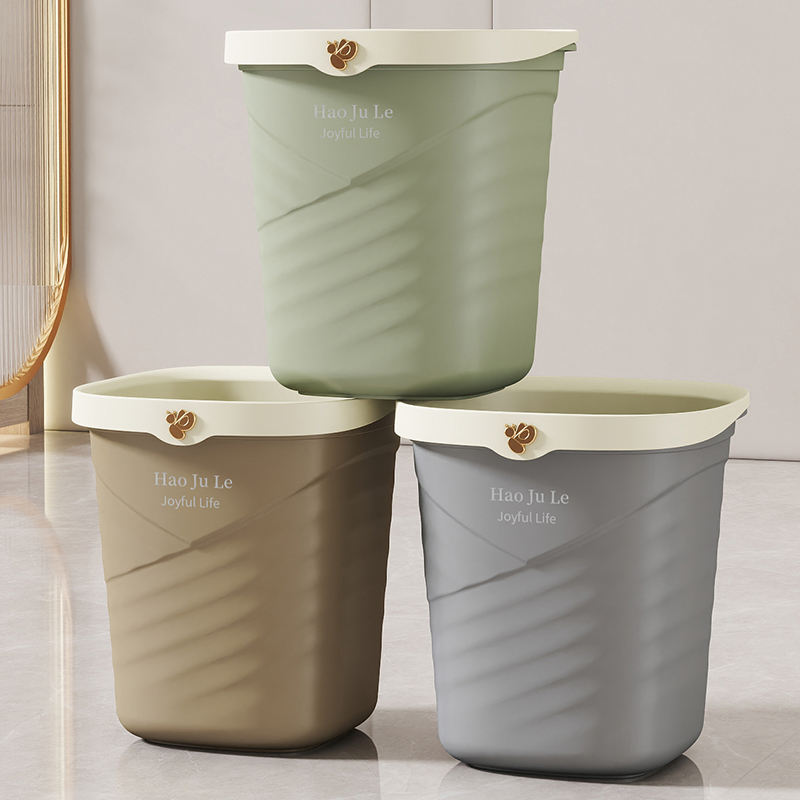
Visible Material Degradation: Cracks, Dents, and UV Fading
How UV exposure and thermal cycling accelerate plastic garbage can failure
Ultraviolet radiation triggers photodegradation in standard plastics, breaking polymer chains and causing surface chalking and embrittlement within 12–24 months of outdoor exposure. Thermal cycling compounds this damage: repeated expansion and contraction from temperature swings generate micro-fractures—especially at stress-concentrated areas like handles and base seams. Under load, these micro-fractures propagate into visible cracks. Industry research confirms non-UV-stabilized plastics lose up to 40% of tensile strength after just 18 months of sun exposure.
Why HDPE outperforms LDPE in durability, impact resistance, and fade resistance
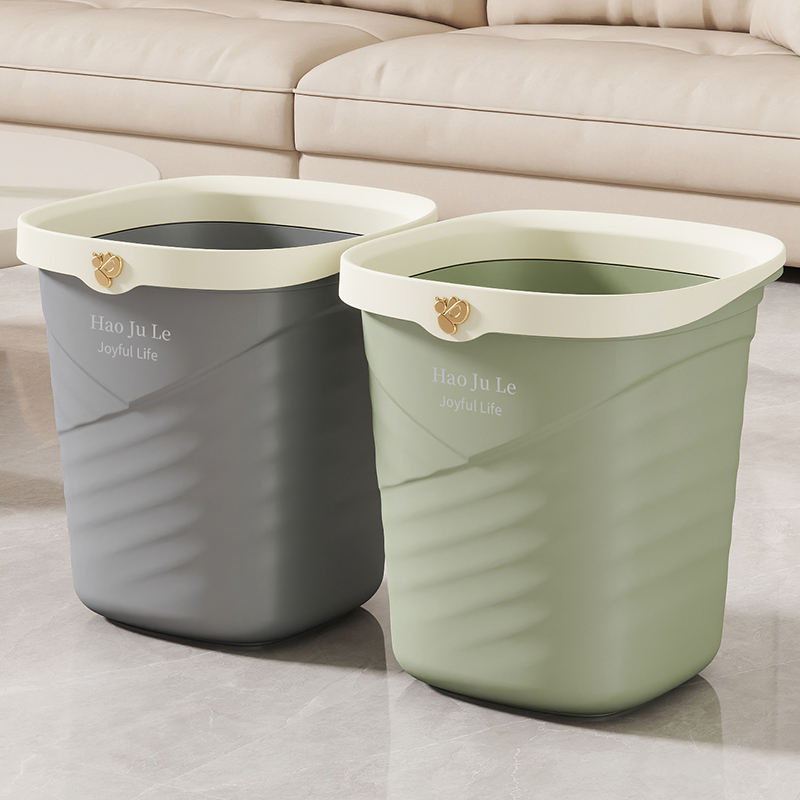
High-density polyethylene (HDPE) incorporates UV-blocking additives and features a tightly packed crystalline structure that resists chain scission and dimensional change—giving it clear advantages over low-density polyethylene (LDPE). These differences translate directly to performance in commercial waste containers:
| Property | LDPE | HDPE |
|---|---|---|
| Impact Resistance | Low (dents easily) | High (withstands drops) |
| UV Stability | 2–3 years outdoors | 8–10 years outdoors |
| Fade Resistance | Significant yellowing | Minimal color shift |
| Crack Propagation | High susceptibility | 60% lower risk |
HDPE’s linear, cross-linked polymers absorb impact energy without permanent deformation; LDPE’s branched molecular structure yields under pressure. This structural integrity is why HDPE dominates professional-grade waste solutions where long-term reliability is non-negotiable.
Chronic Odor and Pest Problems Indicate Garbage Can Design Flaws
Persistent odor and pest infestations often reveal fundamental flaws—not just poor cleaning habits, but deficiencies in material selection and engineering. Lower-grade plastics can develop microscopic pores during manufacturing, trapping organic residues that fuel bacterial growth and off-gassing. Once embedded, these odor reservoirs persist despite cleaning and attract pests, contributing to 38% of commercial facility sanitation violations cited in the Waste Management Journal (2023).
Gaps from poor lid alignment or weak seams compromise pest resistance in commercial garbage cans
Even minor design oversights—like warped lids or insufficient sealing surfaces—create exploitable entry points. In commercial environments, gaps as narrow as 1 mm allow rodents and insects access to waste, escalating contamination and regulatory risk. Professional-grade units counter this with precision-molded lids and reinforced, seamless construction—maintaining secure containment while allowing controlled airflow to inhibit anaerobic bacterial activity.
Mechanical Failures: Warped Bases, Broken Handles, and Unsealing Lids
Fatigue Limits of Hinges, Latches, and Structural Ribs in High-Use Plastic Garbage Cans
Daily operational stress—lifting, dragging, compacting—pushes standard plastic components beyond their fatigue thresholds. Handles fracture after ~5,000 load cycles; thin structural ribs crack under compression; and UV-weakened hinges lose more than 40% of tensile strength within 18 months. These failures degrade core functionality:
- Warped bases increase tip-over risk by 30%
- Broken handles lead to unsafe lifting practices and higher injury potential
- Unsealing lids expose contents to pests, moisture, and wind dispersal
Commercial bins endure roughly three times the mechanical strain of residential models—making material resilience critical. HDPE garbage cans withstand over 10,000 stress cycles while retaining shape and function, doubling component lifespan compared to lower-grade alternatives.
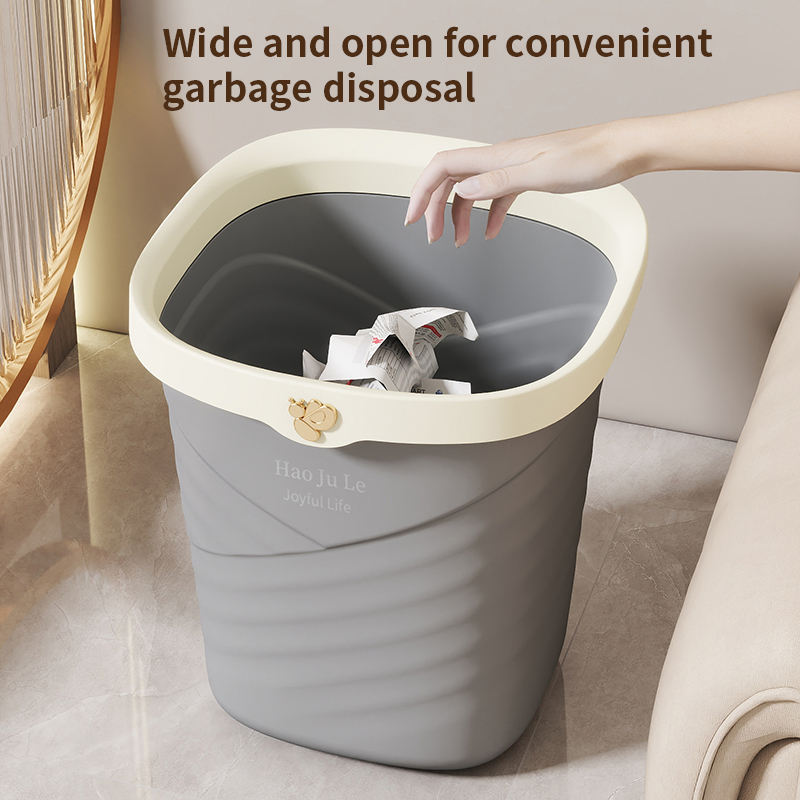
Capacity Mismatch: When Waste Volume Overwhelms Standard Garbage Can Design
Operational red flags: Sustained overfilling (>120% capacity) strains plastic garbage can integrity
Consistently overfilling standard plastic garbage cans—beyond 120% of rated capacity—exceeds engineered stress limits. With municipal waste averaging 0.2–0.4 tons/m³, a 120L unit holding 100kg is already operating at its upper threshold. Chronic overloading concentrates force on structural ribs and base welds, accelerating three key failure modes:
- Base warping from uneven weight distribution
- Handle detachment due to amplified leveraged forces during movement
- Lid distortion that breaks pest-resistant seals
In practice, a receptacle rated for 75kg but routinely loaded to 90kg may fail in 12–18 months—while properly sized, professional-grade alternatives maintain structural integrity for five years or more.
The HDPE Advantage: Long-Term ROI of Professional-Grade Garbage Cans
Lifecycle cost comparison: HDPE commercial garbage cans vs. standard plastic garbage cans over 5 years
Though HDPE commercial garbage cans carry a higher initial cost, they deliver compelling long-term value. Standard plastic units typically fail within 1–2 years due to cracking, warping, or UV degradation—requiring 3–4 replacements over five years. HDPE models, by contrast, retain full functionality for 5+ years thanks to superior UV stability, impact resistance, and fatigue endurance. This cuts total ownership costs by 40–60%, eliminates labor and downtime associated with frequent replacements, and sustains consistent waste management performance. Facilities realize $150+ in annual savings per container—without compromising on hygiene, safety, or compliance.
FAQ
What causes standard plastic garbage cans to fail?
Standard plastic garbage cans fail due to UV exposure, thermal cycling, mechanical stresses, and overloading, which can lead to cracks, warping, and other issues.
How does HDPE plastic enhance garbage can durability?
HDPE plastic incorporates UV-blocking additives and a crystalline structure that provides superior impact resistance, UV stability, and long-term durability compared to LDPE.
Why do garbage cans sometimes develop odors?
Garbage cans can develop odors if manufactured with lower-grade plastics that form microscopic pores trapping organic residues, creating odor reservoirs.
How can garbage can design impact pest resistance?
Poor lid alignment or weak seams may create entry points for pests, while professional-grade designs with sealed and precision-molded lids help prevent this.
Why is capacity important in garbage can design?
Exceeding a garbage can's capacity can lead to structural failure and compromised functionality, so proper sizing is crucial for maintaining integrity.
Table of Contents
- Visible Material Degradation: Cracks, Dents, and UV Fading
- Chronic Odor and Pest Problems Indicate Garbage Can Design Flaws
- Mechanical Failures: Warped Bases, Broken Handles, and Unsealing Lids
- Capacity Mismatch: When Waste Volume Overwhelms Standard Garbage Can Design
- The HDPE Advantage: Long-Term ROI of Professional-Grade Garbage Cans
- FAQ