 EN
EN


How Foldable Storage Boxes Support Core Minimalist Principles
Enabling 'Keep Only What You Use' Through Temporary, Purpose-Driven Containment
Foldable storage boxes embody the minimalist principle of intentional ownership by offering transitional containment for seasonal or infrequently used items. Unlike rigid bins that encourage passive accumulation, their collapsible nature creates built-in decision points: when folded and stowed, they prompt reflection on whether contents truly merit the space—and effort—required to redeploy them. This cyclical visibility aligns with behavioral research showing that items accessed less than quarterly have 73% higher turnover when stored in temporary systems (Organizational Psychology Review, 2022). For seasonal clothing, hobby supplies, or archival documents, purpose-specific foldable boxes support frictionless transitions between active use and compact storage—undermining the “just in case” mindset that fuels clutter.
Reducing Visual Clutter and Cognitive Load With Seamless Stowability
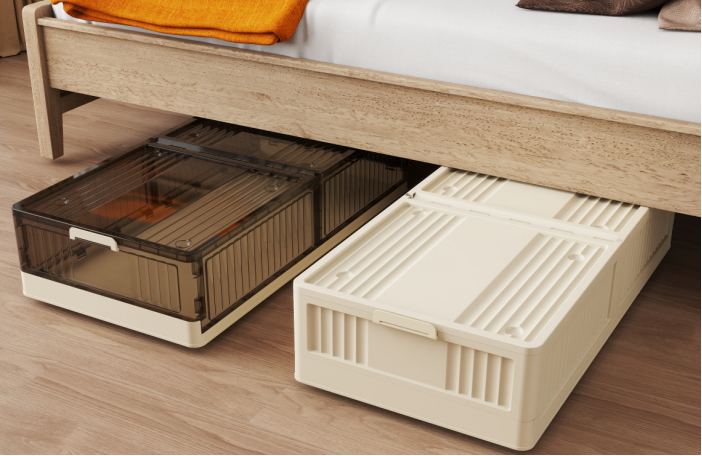
The real strength of foldable storage boxes lies not only in space efficiency—achieving up to 80% footprint reduction when collapsed—but in their ability to eliminate visual noise. When unused, they vanish into drawers, under beds, or atop cabinets, preserving clean sightlines and uncluttered surfaces. Neuroscience confirms this matters: eye-tracking studies show 40% faster focus recovery in visually simplified environments (Journal of Environmental Psychology, 2023). By transforming storage from a fixed spatial claim into an on-demand resource, foldable boxes help create spaces that calm rather than compete for attention. Their rapid deployment (under 10 seconds) and intuitive labeling further reduce decision fatigue during retrieval—making maintenance effortless, not burdensome.
Space-Saving Flexibility: Foldable Storage Boxes for Evolving Living Needs
Managing Seasonal and Occasional Items Without Permanent Storage Footprint
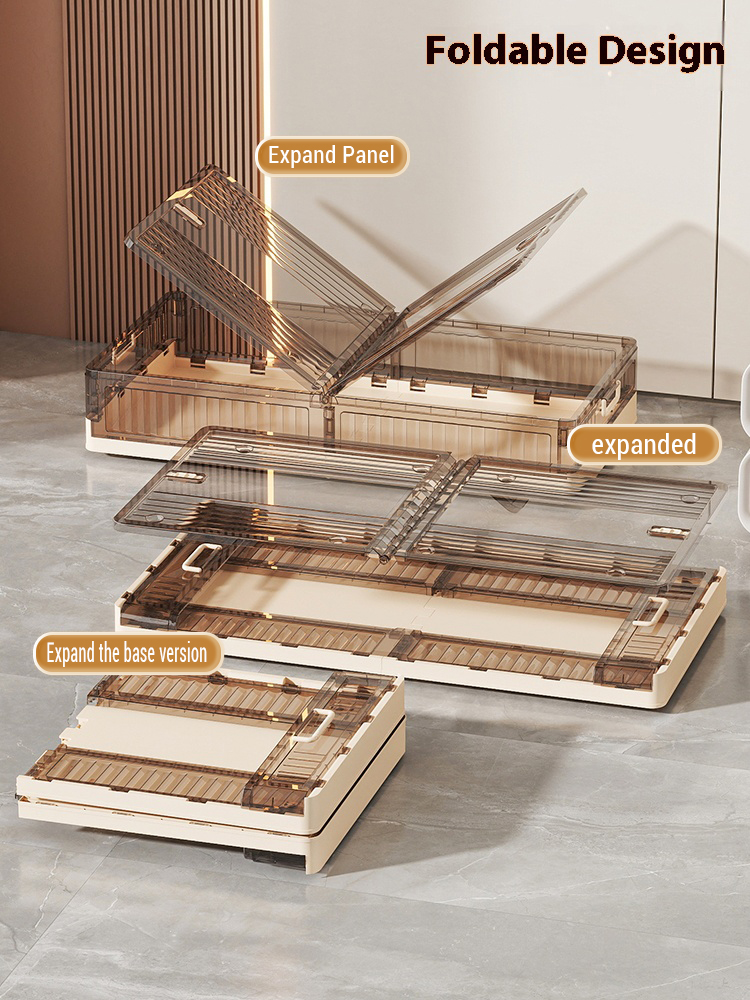
Foldable storage boxes resolve the “storage for storage’s sake” paradox: when empty, they collapse to just 20% of their assembled size—freeing valuable square footage for living, not container housing. Urban dwellers, in particular, benefit by rotating seasonal wardrobes or holiday décor without sacrificing permanent closet space. While traditional bins occupy allocated space year-round, foldables disappear when idle—under beds, inside closets, or stacked flat—eliminating the spatial penalty of infrequent use. Given that the average household stores 35% of its possessions seasonally, yet dedicates 100% of storage real estate to them year-round, foldable design corrects a fundamental mismatch through adaptive material science.
Scaling Organization Across Life Stages—From Studio Apartments to Family Homes
As living situations evolve—from 300-square-foot studios to multi-room family homes—foldable storage systems scale without requiring full overhauls. Their modular construction adapts seamlessly: students consolidate textbooks and dorm essentials before collapsing boxes for summer breaks; growing families add units incrementally for toy rotation or school supplies. Unlike built-in furniture or rigid shelving, these boxes retain 80% space efficiency during transitions—a critical advantage across the 11 moves the average American makes in adulthood. Restacking is intuitive, reconfiguration requires no tools, and spatial priorities shift without architectural compromise. True organization, in this sense, doesn’t demand permanence—it supports life as it unfolds.
Sustainability and Material Intentionality in Foldable Storage Box Design
Eco-Conscious Materials, Repairability, and End-of-Life Responsibility
Minimalism extends beyond what we own to how we own it—making material intentionality non-negotiable. Leading foldable storage boxes use recycled plastics or rapidly renewable resources like bamboo, directly reducing virgin resource extraction. This matters: packaging waste accounts for nearly one-third of landfill volume. Repairability—through reinforced stitching, replaceable bases, or modular panels—extends product life and curbs replacement cycles. And at end-of-life, mono-material construction enables straightforward recycling, avoiding composite waste streams that undermine circular goals. Together, these features transform storage from a disposable convenience into a responsible system—where temporary containment leaves no permanent environmental trace.
Building a Lasting Minimalist System With Foldable Storage Boxes
Labeling and Categorization as Cognitive Scaffolding for Sustainable Habits
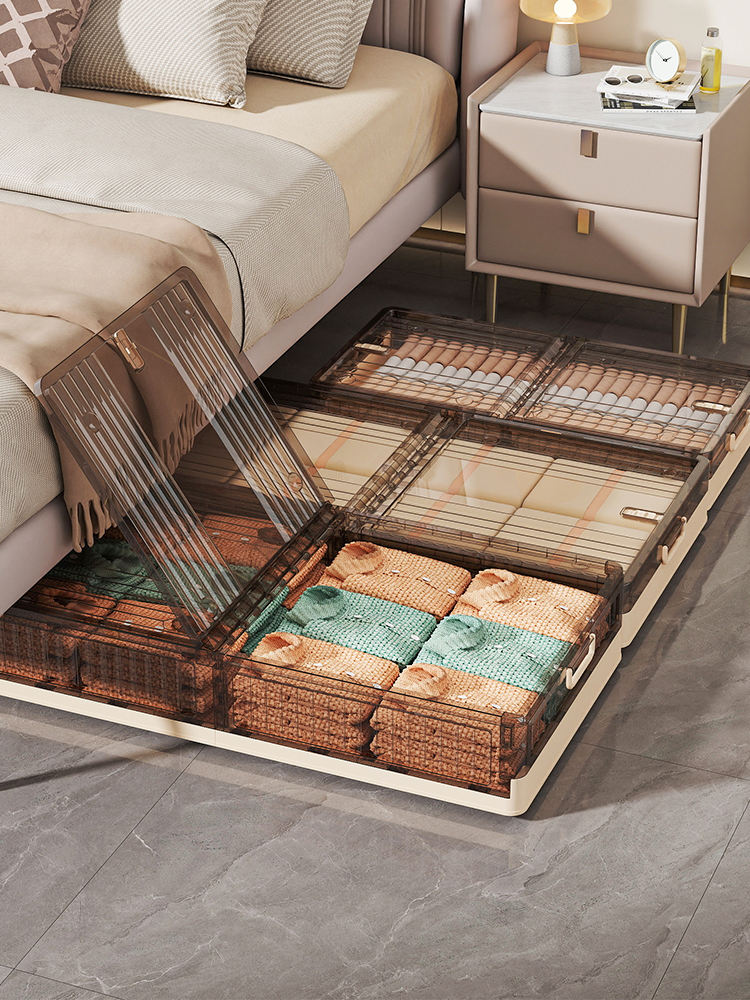
Clear, consistent labeling turns foldable storage boxes into active tools for habit formation—not passive repositories. Assigning specific, descriptive categories—like “Winter Accessories” or “Reusable Kitchenware”—reduces decision fatigue and reinforces intentional ownership each time an item is retrieved or returned. This visual scaffolding prevents the drift into ambiguous “miscellaneous” zones, a common source of long-term disorganization. When paired with collapsibility, labeled systems remain adaptable: categories can shift, quantities can scale, and storage can relocate—all without demanding new infrastructure. The result is a self-reinforcing loop—lower cognitive load encourages consistent use; physical flexibility sustains relevance across changing needs. In this way, foldable storage doesn’t just hold things—it holds space for lasting minimalist practice.
Frequently Asked Questions
What are the benefits of using foldable storage boxes for a minimalist lifestyle?
Foldable storage boxes support minimalist living by enabling temporary storage, reducing visual clutter, and providing flexibility for evolving living needs.
How do foldable storage boxes reduce visual clutter?
They achieve up to 80% footprint reduction when collapsed and can be stored out of sight, maintaining clean and uncluttered spaces.
What materials are used in eco-conscious foldable storage boxes?
Eco-conscious foldable storage boxes are typically made from recycled plastics or renewable materials like bamboo, with features for repairability and recycling.
How do foldable storage boxes assist in habit formation?
Clear labeling and categorization facilitate organized storage, reducing decision fatigue and promoting consistent use for sustainable habits.
Table of Contents
- How Foldable Storage Boxes Support Core Minimalist Principles
- Space-Saving Flexibility: Foldable Storage Boxes for Evolving Living Needs
- Sustainability and Material Intentionality in Foldable Storage Box Design
- Building a Lasting Minimalist System With Foldable Storage Boxes
- Frequently Asked Questions