 EN
EN

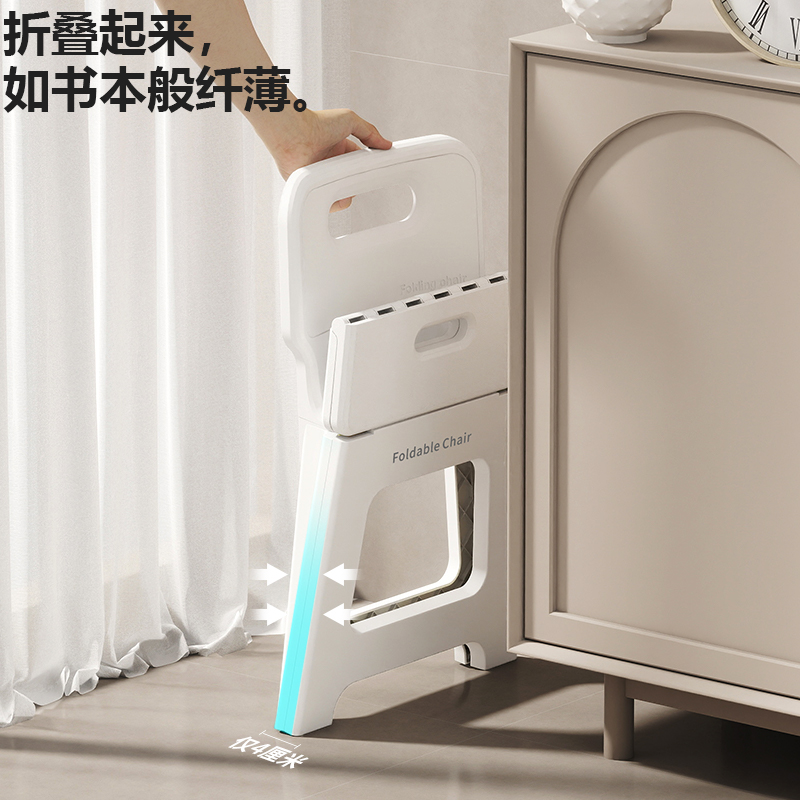
Why Stackable Plastic Stools Maximize Space Without Compromising Function
Urban Living Realities: How Limited Square Footage Drives Demand for Compact, High-Capacity Storage
City residents today often deal with increasingly cramped living conditions. Studio apartments typically measure around 500 to 600 square feet, which creates a real problem for people needing functional yet compact furniture solutions. Stackable plastic stools address this issue quite well since they fold up vertically into small packages. When ten of these stools are stacked together, they take up barely 2 square feet of space compared to the 15 square feet needed if placed separately throughout the apartment. Weighing under three pounds apiece, these stools can be moved easily from kitchen to balcony or tucked away in storage closets whenever needed. For anyone navigating tight quarters while maintaining an active lifestyle, these versatile seating options make perfect sense both practically and spatially.
Engineering Efficiency: How Modern Stack Designs Reduce Footprint by Up to 75% vs. Traditional Stools
Advanced interlocking mechanisms maximize vertical efficiency without sacrificing safety or usability:
- Tapered bases enable precise nesting—each stool fits securely into the one below, eliminating wobble
- Reinforced rims preserve alignment and prevent deformation across hundreds of stacking cycles
- Hollow-core legs cut weight while supporting 250+ lbs per unit
This integrated design achieves up to 75% space reduction compared to non-stackable alternatives. A stack of six occupies just 18" of vertical height—sliding easily beneath countertops, beds, or staircases where traditional stools would clutter floor space.
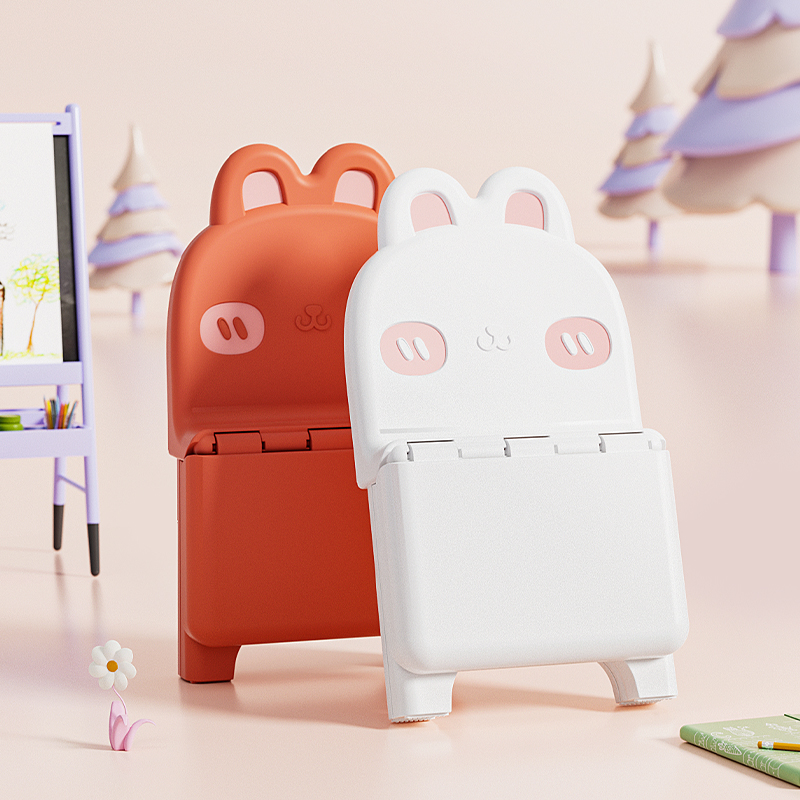
Material Science Behind Reliable, Lightweight Plastic Stools
Polypropylene (PP) Advantages: Strength-to-Weight Ratio, Impact Resistance, and Long-Term Stack Integrity
Polypropylene, or PP as it's commonly called, forms the backbone of those really durable stackable stools we see everywhere these days. What makes PP so great? Well, it packs a serious punch when it comes to strength while keeping things light. These stools can handle around 300 pounds of weight even though each one weighs less than 2.5 pounds total, which is about 40% lighter than similar wooden or metal versions. The material itself bends just enough to absorb impacts without breaking, so those tiny cracks never form when people keep stacking them up or moving them around all day long. Another big plus? PP doesn't warp or shrink no matter what temperature it faces, from freezing cold (-20 degrees Celsius) right up to pretty hot conditions (around 80 degrees Celsius). That means those interlocking parts will fit together properly season after season without any issues. Lab tests have shown something pretty impressive too: after going through 5,000 compression cycles simulating years of use, PP stools still hold onto about 98% of their original strength. Pretty hard to beat that kind of performance compared to traditional materials like wood or steel.
Waterproof & All-Environment Ready: ASTM-D570 Compliance and Real-World Indoor/Outdoor Performance
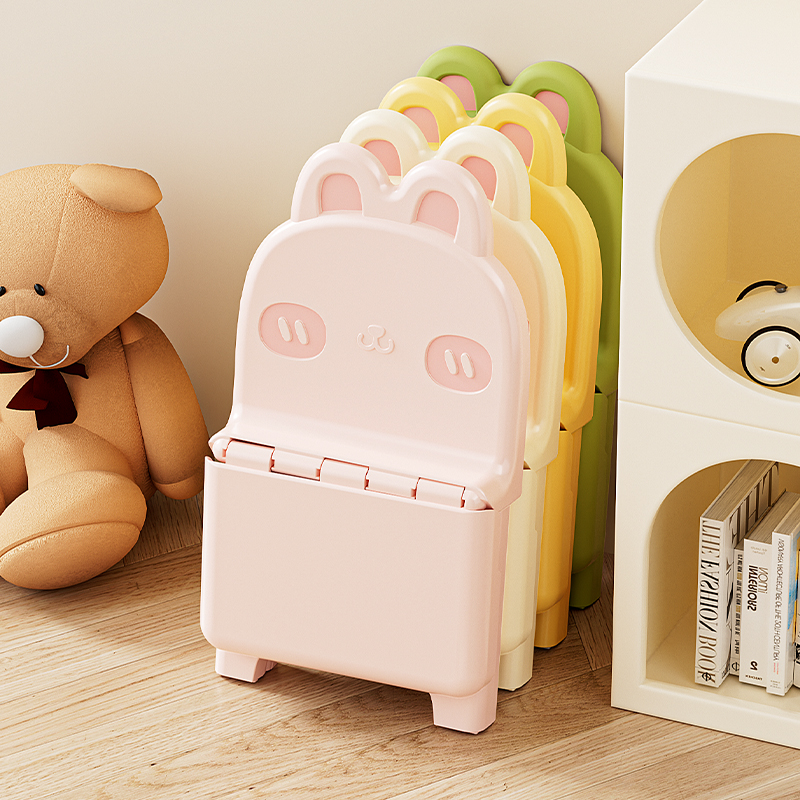
ASTM-D570 certification confirms premium PP stools absorb less than 0.01% moisture—exceeding standards for marine-grade durability. This non-porous core enables proven performance across demanding environments:
- UV resistance: Withstands 2,000+ hours of accelerated sunlight exposure with no fading or embrittlement
- Chemical immunity: Resists degradation from cleaning agents, salt spray, and high humidity
- Thermal stability: Functions reliably from –30°F to 180°F
- Mold prevention: Smooth, impermeable surface eliminates moisture retention and microbial growth
Field testing shows zero warping or structural compromise after 24 months of continuous outdoor exposure—validating their suitability for patios, garages, commercial kitchens, and other high-moisture zones where conventional furniture fails.
Design Intelligence: Beyond Stacking — Portability, Stability, and Multi-Scenario Utility
Hybrid Functionality: How Sub-2.5 lb Plastic Stools Enable Instant Relocation, Guest Seating, and Under-Table Storage
Modern PP stools tip the scales at around 2.5 pounds, making them super versatile for small spaces. The lightweight design means anyone can move these little guys from room to room or outside with just one hand. No need to struggle with assembly either. When friends drop by, these stools pop right out as extra seats and then disappear just as fast underneath tables or into those awkward corners where nothing else fits. A study last year showed that when stacked together, these stools take up about 80 percent less floor area compared to regular chairs. That matters a lot in city apartments that rarely go above 700 square feet. Don't worry about wobbling though. The bases are made through injection molding and come with built-in non-slip pads so they stay put whether on tiles, wood floors, concrete, or even slightly bumpy surfaces. What's really cool is how multifunctional they are. Need to reach something high? Use it as a step stool. Want to spruce up an empty corner? Place a small plant on top. These stools turn wasted vertical space into useful spots without needing any permanent installations.
FAQ
What materials are stackable plastic stools made of?
Stackable plastic stools are typically made of polypropylene (PP), which offers excellent strength-to-weight ratio, impact resistance, and long-term durability.
How do stackable stools help save space?
Stackable stools can be nested together, reducing their storage footprint by up to 75% compared to traditional stools, allowing them to fit easily under countertops and in small storage areas.
Are these stools suitable for outdoor use?
Yes, stackable plastic stools are waterproof and can withstand various environmental conditions, making them suitable for both indoor and outdoor use.
How much weight can stackable plastic stools handle?
Despite their lightweight design, these stools can support over 250 pounds each, making them a reliable seating option.