 EN
EN

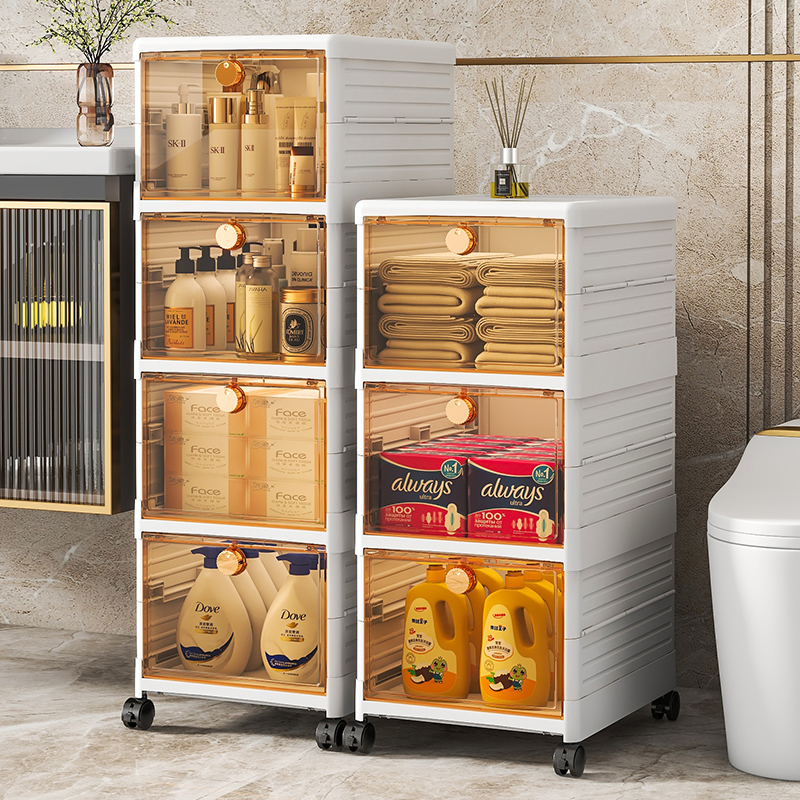
Why Plastic Shelves and Racks Excel in Bathroom Environments
Moisture Resistance: How Polymer Chemistry Prevents Swelling, Rot, and Degradation
Plastic shelves work really well in damp places since materials like polypropylene and ABS have those special non-porous structures that just don't soak up water. Wood and particleboard are totally different stories though they tend to swell up, bend out of shape, and even grow mold when hit with moisture from humidity, steam, or random splashes. The fact that plastic won't let water in means no mold problems and no rotting over time. This makes all the difference in bathrooms specifically, where regular wood shelves usually start falling apart after just a few months of constant exposure to moisture.
Corrosion-Free Advantage Over Metal: Eliminating Rust, Pitting, and Joint Failure
Bathroom metal shelves tend to break down over time when exposed to all that humidity, especially since cleaning sprays and tap water contain chlorides that lead to rust spots, tiny pits forming on surfaces, and eventually complete joint failures. Plastic options solve this problem completely because they just don't react chemically with moisture like metals do. Tests involving salt spray have demonstrated something pretty impressive about ABS plastic shelves too. After what amounts to roughly five years worth of actual bathroom conditions in these tests, they still hold onto about 98% of their original strength. That means no more constantly replacing broken brackets or dealing with those frustrating moments when metal joints snap unexpectedly.
Key Material Types for Reliable Plastic Shelves and Racks
ABS vs. Polypropylene: Strength, Flexibility, and Steam Resistance Compared
ABS, or Acrylonitrile Butadiene Styrene as it's officially called, stands out for its impressive impact resistance and rigid structure, making it great for holding those heavy bottles and cleaning products around the house. The material can handle pretty serious pressure too, with tensile strength reaching up to about 4,700 psi. What's really nice is how it keeps its shape even when something sits on it for long periods, and doesn't crack easily after being handled again and again. On the other hand we have polypropylene, which brings something different to the table. This stuff just loves chemicals and bends without breaking, so those hinges stay strong no matter how many times they're opened and closed. Polypropylene can actually take heat from steam up to 266 degrees Fahrenheit (that's 130 Celsius), which explains why it works so well near showers where things get damp. Plus at only 0.9 grams per cubic centimeter, these racks made from polypropylene weigh less than their ABS counterparts while still resisting moisture absorption and swelling issues that plague other materials over time.
High-Impact Polycarbonate and UV-Stabilized Grades for Long-Term Wet-Zone Integrity
Bathrooms that get lots of sunlight, especially ones with skylights or big windows, benefit greatly from UV stabilized polycarbonate materials. Regular polycarbonate tends to soak up around 0.3 percent moisture when submerged for a day, which can cause problems over time. But the better quality versions of this material keep their strength even when temperatures drop below freezing point, so they work well in places that aren't heated or get pretty cold during certain seasons. The upgraded polymers stop almost all UV rays (about 99%) and still let through roughly 94% of available light after being tested under harsh conditions for thousands of hours. Plus these materials don't crack easily when exposed to cleaning chemicals repeatedly, and they handle weights over 250 pounds without bending out shape. This means bathroom fixtures made with them last for many years even in damp areas where the air is often very humid, sometimes above 80%.
Real-World Performance: Durability, Load Capacity, and Maintenance of Plastic Shelves and Racks
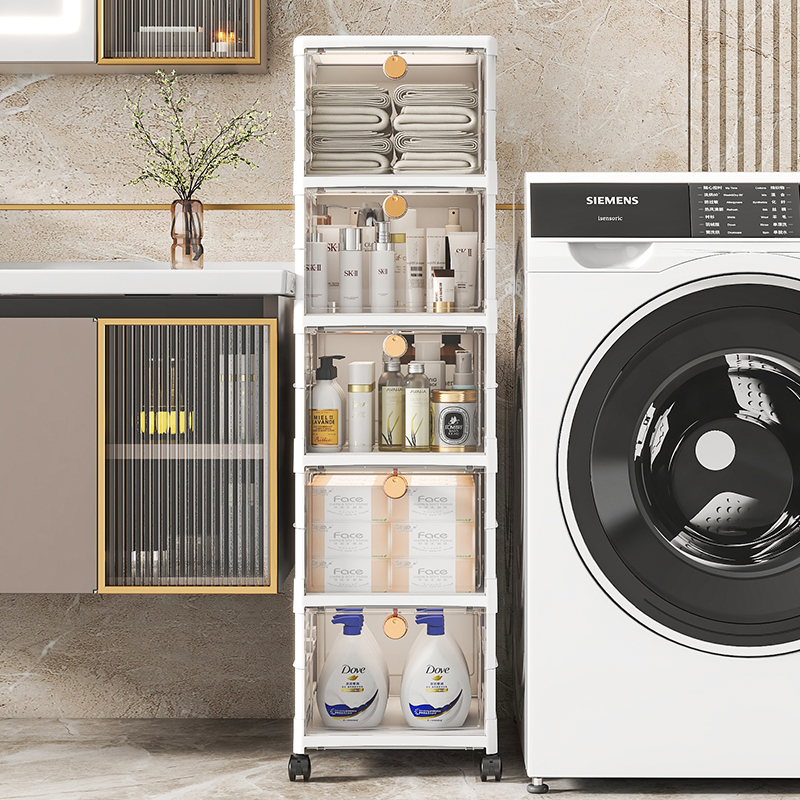
Warping, Creep, and Thermal Cycling: What 2+ Years of Bathroom Use Reveals
Real world testing across both homes and businesses shows that shelves made from UV stabilized polypropylene and ABS don't warp or sag even after sitting in bathrooms for over two years straight. These materials handle the constant temperature swings we see in bathrooms every day between about 15 to 35 degrees Celsius without any issues at their joints something that tends to break down metal shelves placed in similar spots. As long as they're put together correctly, these shelves keep holding around 90% of what they were rated for when new. That kind of strength is more than enough for regular household storage needs and actually works better than most metal shelves with protective coatings that people try to use in damp areas.
Cleaning, Sanitization, and Mold Prevention: Practical Advantages for Facility Managers
Polymer surfaces that don't absorb liquids stop biofilms from forming, which cuts down mold growth by around 82% when compared against those old metal racks with coatings. The cleaning process becomes much easier too. Bleach solutions at concentrations as high as 10% won't damage these surfaces at all, and regular wiping takes care of mineral buildup without needing any harsh scrubbing materials. Maintenance expenses drop significantly over time, somewhere in the neighborhood of 57% less per year. A lot of modern commercial models come equipped with built-in antimicrobial properties certified under ISO 22196 standards and they meet HACCP requirements for food safety as well. These features help suppress pathogens continuously without needing extra chemicals. Facilities like hospitals, hotels, nursing homes really benefit from this because keeping things clean isn't just important there it's absolutely essential for everyone's health and safety.
Frequently Asked Questions (FAQ)
Why are plastic shelves recommended over wood or metal for bathrooms?
Plastic shelves are ideal for bathrooms due to their moisture resistance and corrosion-free properties. Unlike wood, which can swell and rot, and metal which can corrode, plastic shelves remain unaffected by bathroom humidity and moisture.
Which plastic is better for bathroom shelves: ABS or polypropylene?
ABS is known for its impact resistance and rigidity, making it great for holding heavy items. Polypropylene excels in flexibility and steam resistance, making it ideal for environments near baths and showers.
How do plastic shelves prevent mold growth in bathrooms?
Plastic shelves have non-porous surfaces, preventing moisture absorption and biofilm formation. This significantly reduces mold growth compared to metal racks.
Are there any specific advantages of using UV-stabilized polycarbonate in bathrooms?
UV-stabilized polycarbonate is ideal for bathrooms exposed to sunlight as it resists UV rays, maintains structural integrity, and offers excellent light transmission even under harsh conditions.