 EN
EN

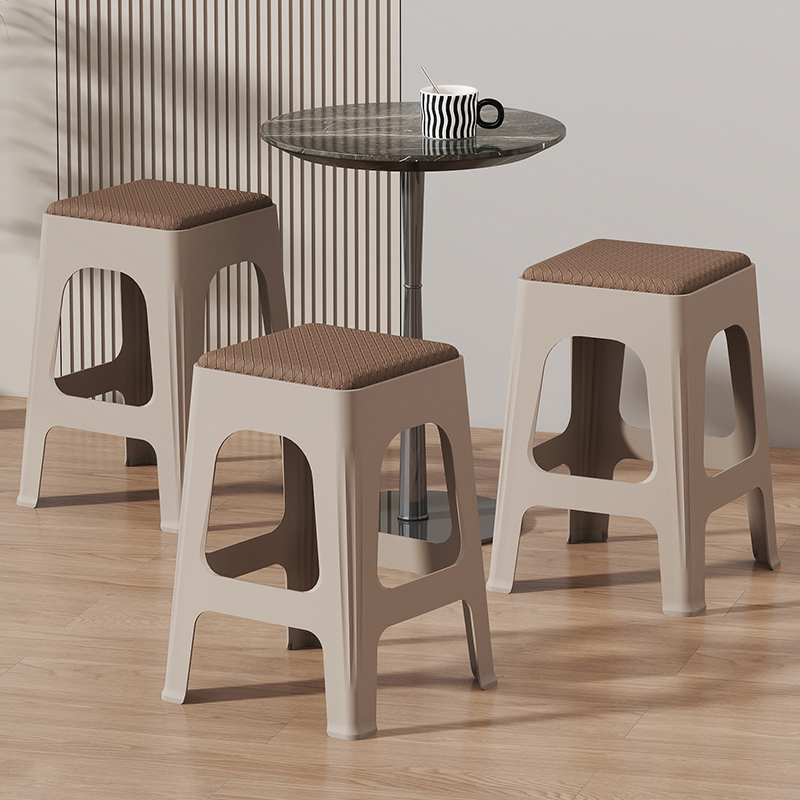
Why Durability Makes the Plastic Chair Ideal for Daily Use
Material Science: How HDPE and Polypropylene Deliver Impact Resistance and Structural Integrity
Durable plastic chairs rely heavily on high density polyethylene HDPE and polypropylene PP for their strength. HDPE has a tight molecular arrangement that makes it tough against cracks from everyday bumps and knocks. Meanwhile PP with its semi crystalline makeup stands up really well to constant use over time. Both plastics handle stress pretty well without getting permanently bent out of shape, so they stay structurally sound even when someone weighing around 250 pounds sits down. These materials aren't brittle like some other plastics either. When pressure is applied they can bend just a little bit before springing back to where they were originally. Tests in the industry show that PP chairs can take over ten thousand compression cycles without breaking down according to research published last year in the International Journal of Polymer Science.
UV Stabilization and Weather Resistance for Long-Term Outdoor and Indoor Performance
When UV inhibitors are mixed into the polymer during manufacturing, they act as shields against sunlight which stops molecules from breaking down over time. This helps keep things looking good whether sitting out on a sunny deck or inside where humidity levels fluctuate. What makes these materials special is how they push away water instead of soaking it up like traditional materials do. Regular wooden or metal furniture tends to warp, grow mold, or rust eventually but not these plastics. Some research has shown that chairs made with UV protection maintain around 95 percent of their original strength even after spending five years or more outside. That means they last much longer in busy areas without needing constant care. Just give them a quick clean with some soap and water whenever dirt builds up.
| Property | HDPE Benefit | PP Benefit |
|---|---|---|
| Impact Resistance | High energy absorption | Fatigue resistance |
| UV Stability | Retains color & flexibility | Prevents surface cracking |
| Moisture Response | Zero water absorption | Inhibits microbial growth |
Research on polymer performance confirms these engineered materials outperform traditional seating in accelerated aging tests by 3x.
Effortless Cleaning and Low-Maintenance Care for the Plastic Chair
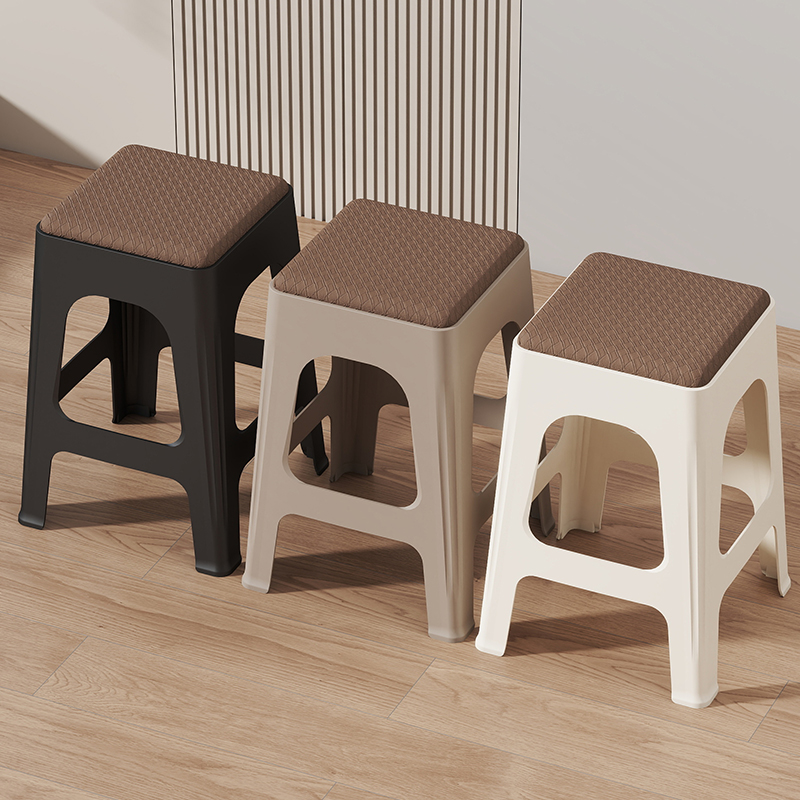
Plastic chairs revolutionize convenience with their non-porous surfaces that repel stains and require minimal upkeep—ideal for homes, cafés, and outdoor spaces where spills occur daily. Unlike fabric or wood alternatives, their smooth finish allows dirt to lift effortlessly without specialized treatments.
Step-by-Step Cleaning Protocol: Soap, Water, and Soft Tools Only
Maintain your plastic chair’s appearance in three simple steps:
- Pre-rinse: Remove loose debris with lukewarm water
- Gentle wash: Use a soft-bristled brush and mild dish soap solution
- Air-dry: Wipe with a microfiber cloth and let rest upside-down
This routine preserves structural integrity while preventing residue buildup. Research shows proper cleaning extends plastic furniture lifespan by 40% compared to neglected units (Home Care Journal 2023).
What to Avoid: Harsh Chemicals, Abrasives, and Heat That Compromise Surface Longevity
Never expose plastic chairs to these damaging elements:
- Chemical cleaners like bleach or ammonia that cause polymer degradation
- Steel wool or scrubbing pads creating microscopic scratches
- Hot water (>60°C/140°F) or direct heat sources inducing warping
| Risk Factor | Consequence | Prevention Tip |
|---|---|---|
| Abrasive tools | Surface clouding | Use cellulose sponges only |
| Acidic cleaners | Color fading | Opt for pH-neutral solutions |
| Prolonged sun exposure | Brittleness over time | Store shaded when unused |
These precautions prevent premature aging, ensuring decades of reliable service.
Smart Daily Use Habits to Maximize Plastic Chair Lifespan
Keeping those plastic chairs looking good and lasting longer is really just about developing some basic daily routines. First off, try not to eat or drink while sitting down because spilled liquids and food particles get stuck in the nooks and grooves where they break down the plastic faster than normal. Pay attention to what the manufacturer says about weight limits too most regular chairs can handle around 250 to 300 pounds before things start cracking under pressure. Studies show going beyond that recommended weight puts extra strain on the chair parts, sometimes as much as 40% more stress. If chairs aren't being used regularly, keep them inside or at least under some sort of shelter when bad weather hits since even plastics treated against sunlight will eventually fade and weaken after months outside. Rotate the chairs every month or so in busy spots to spread out the wear and tear across different sections. Cleaning-wise, grab a wet rag right away whenever something gets spilled rather than letting it sit until doing a full clean once a week. People who follow these maintenance tips tend to replace their chairs 3 to 5 years later than those who don't bother with proper care according to various consumer reports on product longevity.
Multi-Environment Versatility: Plastic Chair Applications in Home, Garden, and Office
Design Features Enabling High-Traffic, Multi-User, and Space-Efficient Deployment
Plastic chairs with stackable designs can cut down on storage space needs by roughly 70% when compared to regular fixed frame seating options. This makes them a great choice for small city apartments where every square inch counts. The lightweight build usually weighs between 3 to 5 kilograms per chair so they're easy to move around whenever needed. That's why these chairs work well in spaces that serve multiple purposes, like living rooms that double as party areas during weekends. In busy places like office break rooms or coffee shops, manufacturers often reinforce the legs with polypropylene material to stop chairs from rocking back and forth after lots of daily use. Most models can handle over half a ton of weight too, which means they stay stable even when fully loaded.
The molded shapes offer good back support for people who sit for long periods, and best of all, there's no need for extra padding or covers. The bottom has those rubber feet that won't slide around on almost any surface whether it's smooth tiles, wooden floors, or even grassy areas outside. There are also special additives built right into the material that stop colors from fading out when left in direct sunlight near gardens or on patios. All these little details mean folks can move their furniture easily from meeting rooms inside to parties outdoors without worrying about damage or tripping hazards later on.
FAQ
What makes plastic chairs durable for daily use?
Plastic chairs are made from materials like HDPE and polypropylene, which provide excellent impact resistance and structural integrity. This allows them to withstand everyday use without breaking down, even under pressure.
How do I clean a plastic chair?
Plastic chairs can be effortlessly cleaned using soap, water, and a soft-bristle brush. Avoid harsh chemicals and abrasives to maintain their surface quality.
Can plastic chairs be used outdoors?
Yes, plastic chairs are UV stabilized and resistant to weather, making them ideal for both indoor and outdoor use. They maintain color and structural integrity even after prolonged exposure to sunlight and humidity.
What is the typical lifespan of a plastic chair?
With proper maintenance and care, plastic chairs can last several years. Regular cleaning and avoiding exposure to harsh elements help prolong their lifespan.
Are plastic chairs stackable for storage?
Many plastic chair designs are stackable, allowing for efficient storage by reducing the space they occupy by up to 70%.