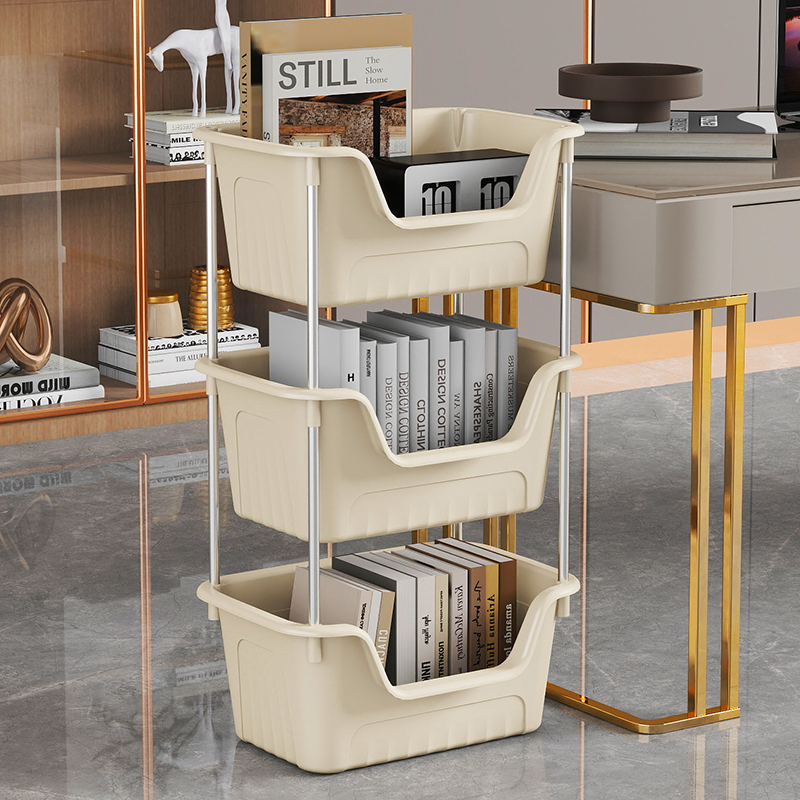

Why Multi-Layer Shelf and Rack Systems Maximize Space Without Compromising Strength
Solving the Vertical Space Crisis in Small Homes and Garages
When space is tight, people need to think vertically rather than just horizontally. That's where multi level shelves and racks come into play. They turn those wasted spots we often overlook garage ceilings, side walls, even corners into actual storage solutions. The best part? These setups let folks organize their stuff properly tools, car parts, holiday decorations all neatly stacked without taking up precious ground area. Most modern systems have adjustable levels so they work for tiny containers as well as bigger gear. No more struggling with low ceilings or wondering what to do with that awkward spot above the door frame.
Data-Backed Insight: 68% of Homeowners Underutilize Vertical Storage (NAHB, 2023)
According to research from the National Association of Home Builders, around two thirds of homeowners aren't using their vertical space properly. They often ignore those upper garage walls and overhead areas even though they complain about not having enough storage room. The problem continues because there are good fixes available. When people install vertical storage systems that are securely fastened, these setups actually create 2 to 3 times more usable space compared to regular single level shelves. From a building standpoint, these vertical racks work better since they channel weight straight down through their support frames. This means less pressure on the floor joists below and creates a sturdier setup overall for the home.
Load-Bearing Evolution: From 150 lbs to 500+ lbs per Tier in Modern Shelf and Rack Designs
Engineering improvements over recent years have really boosted what these storage systems can handle while keeping their space requirements about the same. Around 2015, most commercial systems started moving away from those flimsy steel frames toward stronger truss structures featuring cross beams that lock together. The result? Each tier can now support between 500 and 800 pounds instead of just 150 before. This means warehouses can stack much heavier items like car components, heavy machinery parts, and large quantities of raw materials safely. All these upgrades meet the ASTM F2057-19 safety guidelines after rigorous testing. Even with all this added strength, today's systems still maintain their modular design. Special connectors let workers adjust widths quickly from 24 inches right up to 48 inches without needing any bolts or tools.
| Storage Application | Pre-2015 Capacity | Current Capacity |
|---|---|---|
| Power Tool Storage | 75-100 lbs | 300+ lbs |
| Seasonal Tires | 4 tires | 8 tires |
| Bulk Fluid Containers | 3 gallons | 12 gallons |
Material & Structural Performance: Choosing the Right Shelf and Rack for Heavy-Duty Use
Steel, Aluminum Alloy, and Reinforced Particleboard Compared for Shelf and Rack Durability
What material we pick makes all the difference when it comes to how long something lasts and what weight it can hold. Steel stands out as the strongest option around. Industrial grade steel shelving can actually support well over 2000 pounds on each level because they're built with thick 12 gauge metal. Then there's aluminum alloy which gives good strength without being too heavy plus it doesn't rust easily making it great for damp garage environments where regular steel would corrode. These aluminum racks typically handle around 800 pounds maximum though. For folks looking at cheaper options, reinforced particleboard works fine for stuff that isn't too heavy say anything below 300 pounds or so. But watch out! This type needs proper temperature control otherwise it tends to warp over time. Knowing all these material distinctions lets people get the most out of their storage space vertically speaking. And interestingly enough, studies show that roughly two thirds of homeowners aren't even close to filling their available storage areas fully because they worry about things collapsing or failing structurally.
Real-World Load Testing: Bikes, Power Tools, and Seasonal Gear on Consumer-Grade Shelf and Rack Systems
Modern systems are tested under real-world conditions to ensure reliability. Results show:
- Steel units handle 500+ lbs per tier, supporting motorcycles or stacked tool chests without deflection.
- Aluminum systems manage 300–400 lbs, suitable for power tools or decorations; bicycles require cross-bracing.
- Particleboard works well under 200 lbs (e.g., holiday décor) but sags under heavier items like engine parts.
Proper weight distribution—placing heaviest items near vertical supports—prevents buckling. One study found optimized layouts reduced retrieval times by 73% in auto workshops. Always match load ratings to your needs to maintain safety and performance.
Safe Installation & Smart Placement: Overhead, Wall-Mounted, and Freestanding Shelf and Rack Options
Ceiling Height, Joist Alignment, and Drywall-Safe Anchoring for Overhead Shelf and Rack Units
Before putting in any overhead units, check the space above first. Most people need around 7 feet of clear headroom just to move around safely without bumping their heads. When anchoring into the ceiling, find those support beams with a stud finder tool. The usual spacing between these structural supports runs somewhere between 16 and 24 inches apart. If working with just drywall walls, go for those heavy duty toggle bolts that can hold at least 100 pounds each. Spread out the weight properly across multiple joists instead of concentrating everything on one spot. Never push past what the manufacturer says is okay, which generally falls between 200 to 500 pounds per unit depending on the model. Some jobs are just too complicated for DIY efforts, so calling in someone who knows what they're doing makes sense when dealing with tricky setups or older buildings where structural integrity might be questionable.
Residential Safety Standards: Adapting OSHA-Inspired Practices for DIY Shelf and Rack Installations
Bring those workplace safety habits into the home environment. When putting things together, make sure to put on those protective goggles that can handle impacts. For folks living in areas prone to earthquakes, it's smart to strap down any free standing appliances to the wall using those special earthquake straps. And remember that three points of contact rule when climbing up and down ladders. Don't forget to look around every month for any bolts that might be coming loose or showing signs of rust. Heavy stuff should always go on the bottom shelves, definitely not higher than where shoulders reach. Keep walkways free from clutter too. Studies looking at household injuries suggest these simple steps cut down on storage related accidents by about 40% give or take, according to some recent research published last year.
Clearance Guidelines: Navigating Headroom, Door Swing, and Workflow Zones Around Shelf and Rack Systems
Leave at least 3 feet between storage units so people can move around comfortably without bumping into things. Mount shelves away from where doors open fully, giving them about 1.5 feet clearance on all sides. Save the high spots in the garage for stuff we don't need every day, like old camping equipment or winter tires sitting there collecting dust. Work areas should stay clutter free within roughly four feet around them so tools are actually accessible when needed. Put down some colored tape lines to show where different storage zones end, and check that garage doors still have plenty of room (at least 12 inches) when they're lifted up. Following these simple rules makes the whole space safer to navigate and saves time looking for things during busy days.
Optimizing Daily Workflow: How Tiered Shelf and Rack Layouts Improve Tool & Equipment Access

Zone-Based Layering: Eye-Level (Frequent), Upper Tier (Occasional), Overhead (Seasonal) Shelf and Rack Use
Organizing by usage frequency boosts efficiency. Assign tiers strategically:
- Eye-level: Daily-use items like wrenches and safety gear
- Upper tiers: Monthly-use tools like paint supplies or specialty equipment
- Overhead: Seasonal storage such as holiday décor or tires
This zoning cuts retrieval time by 40% by reducing search time. Ergonomic design principles confirm that keeping high-use tools within arm’s reach minimizes strain and improves workflow.
Case Study: Auto Enthusiast’s 4-Tier Shelf and Rack System — 73% Faster Tool Retrieval Time
Some actual testing done at several auto shops revealed something interesting about garage organization. When mechanics started using zoned shelving systems instead of random piles everywhere, their workspaces became surprisingly efficient. They placed everyday tools within easy reach around waist level, stuck those heavy diagnostic machines up higher where they wouldn't get in the way, and kept all the big containers of oil and coolant right above head height. What happened next? Mechanics spent way less time hunting for wrenches and screwdrivers – about three quarters less actually – and interrupted their workflow half as often as before. These findings fit with what other studies have shown too. Shops that organize tools right where workers need them tend to see productivity jump somewhere around 22%, according to industry reports.
Integrating Shelf and Rack Systems with Pegboards, Bins, and Labeling for Seamless Garage Organization
Combine vertical shelving with complementary systems for maximum efficiency:
- Pegboards: Hang frequently used hand tools near corresponding bins
- Clear bins: Store small parts like nails and bolts with visible labels
- Color coding: Match bin labels to tier functions (red = urgent, blue = seasonal)
This integrated system reduces misplacement by 58% and ensures even rarely used items remain easy to find. Proper labeling turns a functional setup into a truly intuitive workspace.
Small-Space & Rental-Friendly Shelf and Rack Solutions That Deliver Built-In Quality
People who rent apartments or live in tiny spaces deal with all sorts of headaches every day. Space is tight, landlords often say no to drilling holes, and what works today might not fit tomorrow when things change. That's where those modular shelves and racks come in handy. They give great organization without needing any permanent changes to walls or floors. Most come together without tools and use anchors that won't leave marks behind. Plus, they adjust as life throws curveballs at us. Going vertical makes sense since most folks waste tons of air space above their heads. Freestanding units work well too if someone wants to keep walkways open. The aluminum frames are surprisingly strong, holding around 300 pounds on each level plus resisting rust over time. Little rubber feet on bottoms protect floors from scratches, which matters a lot when signing leases. Some models have extra wide bases and reinforced frames that stand firm even without attaching to wall studs. When it comes time to move out, everything breaks down fast and packs into boxes small enough for most U-Hauls. These smart storage solutions blend flexibility with solid construction, so renters get top notch organization despite constantly shifting circumstances.
FAQs
Q: What are multi-layer shelves and racks?
A: Multi-layer shelves and racks are storage systems designed to maximize vertical space by stacking items without taking up much ground area. They come with adjustable levels to accommodate various container sizes.
Q: How can I choose the right material for my shelving needs?
A: Consider steel for maximum strength, aluminum alloy for a lightweight and rust-resistant option, and reinforced particleboard for budget-friendly setups. Match the material durability to your storage weight requirements.
Q: What precautions should be taken when installing overhead racks?
A: Ensure there is enough headroom, find structural support beams for anchoring, distribute the weight properly across multiple joists, and adhere to manufacturer weight limitations. Consider hiring professionals for complex installations.
Q: How can tiered shelving improve workflow?
A: Tiered shelving allows organization based on usage frequency, ensuring frequently used items are easily accessible. This design cuts retrieval time and improves workflow efficiency.
Q: What are rental-friendly shelf and rack solutions?
A: Modular shelves and racks provide organization without permanent changes to walls or floors. They are adjustable, freestanding, and designed to be easily assembled and disassembled without leaving marks.
Table of Contents
- Why Multi-Layer Shelf and Rack Systems Maximize Space Without Compromising Strength
- Material & Structural Performance: Choosing the Right Shelf and Rack for Heavy-Duty Use
- Safe Installation & Smart Placement: Overhead, Wall-Mounted, and Freestanding Shelf and Rack Options
-
Optimizing Daily Workflow: How Tiered Shelf and Rack Layouts Improve Tool & Equipment Access
- Zone-Based Layering: Eye-Level (Frequent), Upper Tier (Occasional), Overhead (Seasonal) Shelf and Rack Use
- Case Study: Auto Enthusiast’s 4-Tier Shelf and Rack System — 73% Faster Tool Retrieval Time
- Integrating Shelf and Rack Systems with Pegboards, Bins, and Labeling for Seamless Garage Organization
- Small-Space & Rental-Friendly Shelf and Rack Solutions That Deliver Built-In Quality
- FAQs