 EN
EN

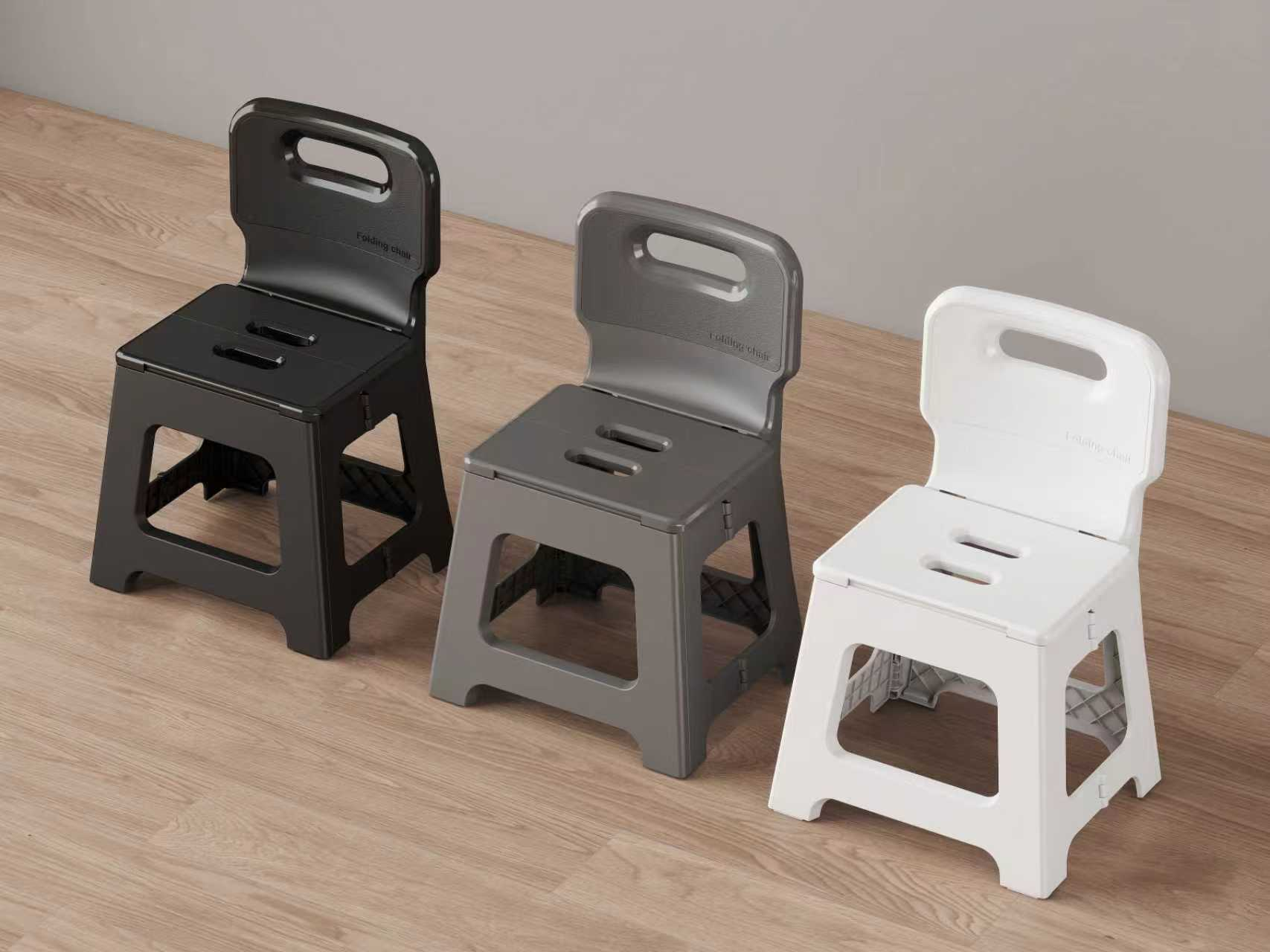
Lightweight Design and Portability of Foldable Chairs
Material Innovations Enabling Sub-3kg Portability
Today's foldable chairs manage to weigh less than 3kg thanks to materials like aerospace grade aluminum and reinforced nylon composites. These materials reduce weight by about 40% compared to regular steel but still hold up structurally. Most have tubular frames with extra support where the stress happens naturally. When folded, these chairs shrink down to around 65cm in height, making them easy to carry around. They fit right into backpacks or storage compartments without losing any of their basic functions. People who need portable seating solutions find this balance between lightness and durability really appealing for outdoor activities and travel situations.
Ergonomic Trade-offs in Ultra-Lightweight Frames: Aluminum vs. Reinforced Nylon
Aluminum frames (2.2—2.8kg) deliver superior rigidity and vibration dampening—ideal for uneven outdoor terrain—while nylon composites (1.8—2.3kg) offer greater impact resistance and flexibility at the cost of slight load-induced flex. User studies show aluminum is preferred for extended sitting (85+ minutes), whereas nylon excels where frequent transport is prioritized.
Weight-to-Load Ratio: How 2.8kg Foldable Chairs Safely Support 113kg
This lightweight aluminum folding chair weighs just 2.8 kilograms but can hold up to 113 kilograms because of its special triangular legs and cantilever seat design. The clever engineering spreads out the weight over four main areas, cutting down on pressure points by about 70 percent when compared with regular folding chairs. According to industry standards set by ASTM F15.77 and ISO 7174-1, any chair that carries certification needs to handle at least 150% of what it's supposed to support. That means our 113 kg chair actually gets tested until it reaches 170 kg before breaking, ensuring real world durability for everyday use.
Is Under-2.5kg Better? Balancing the Stability—Portability Paradox
Lightweight chairs below 2.5kg come with real stability issues according to ASTM F15.77 tests which found they experience about 22% more side-to-side movement compared to their 2.5 to 2.8kg counterparts. When manufacturers go ultra light, they often cut down on several key features. Seat widths shrink by around 3 to 5 centimeters, armrests get thinner, and legs become smaller in diameter. These design choices make them less comfortable for extended periods and harder to adjust to different surfaces. Looking at market trends tells the same story. The vast majority of premium chair sales (about 78%) fall within the 2.5 to 2.8kg range. People clearly prefer chairs that strike a good balance between weight and functionality rather than going for something extremely light but compromised.
Indoor and Outdoor Versatility of Foldable Chairs
Dual-Environment Performance: Indoor Comfort vs. Outdoor Terrain Adaptability
The design of foldable chairs manages to combine home comfort with outdoor durability through smart engineering choices. For indoor use, these chairs typically have contoured seats made from breathable materials with about 75mm of padding that makes sitting for long periods much more comfortable. When designed for outdoor environments, manufacturers add rubber footpads that won't slip and legs that taper at the bottom so they don't sink into grass or dirt. Research published last year showed something interesting too. The study found that when chairs had seat angles between 15 and 20 degrees, people experienced about 30% less back pain after sitting for two hours straight indoors. Those same chairs with textured footpads also stayed stable on slopes around 40% better than regular ones. What this means is folks can take their favorite chair from the living room rug all the way to a campsite without worrying about it falling apart or being uncomfortable somewhere.
Case Study: Multi-Use in Co-Living Spaces — Balcony, Living Room, and Rooftop Events
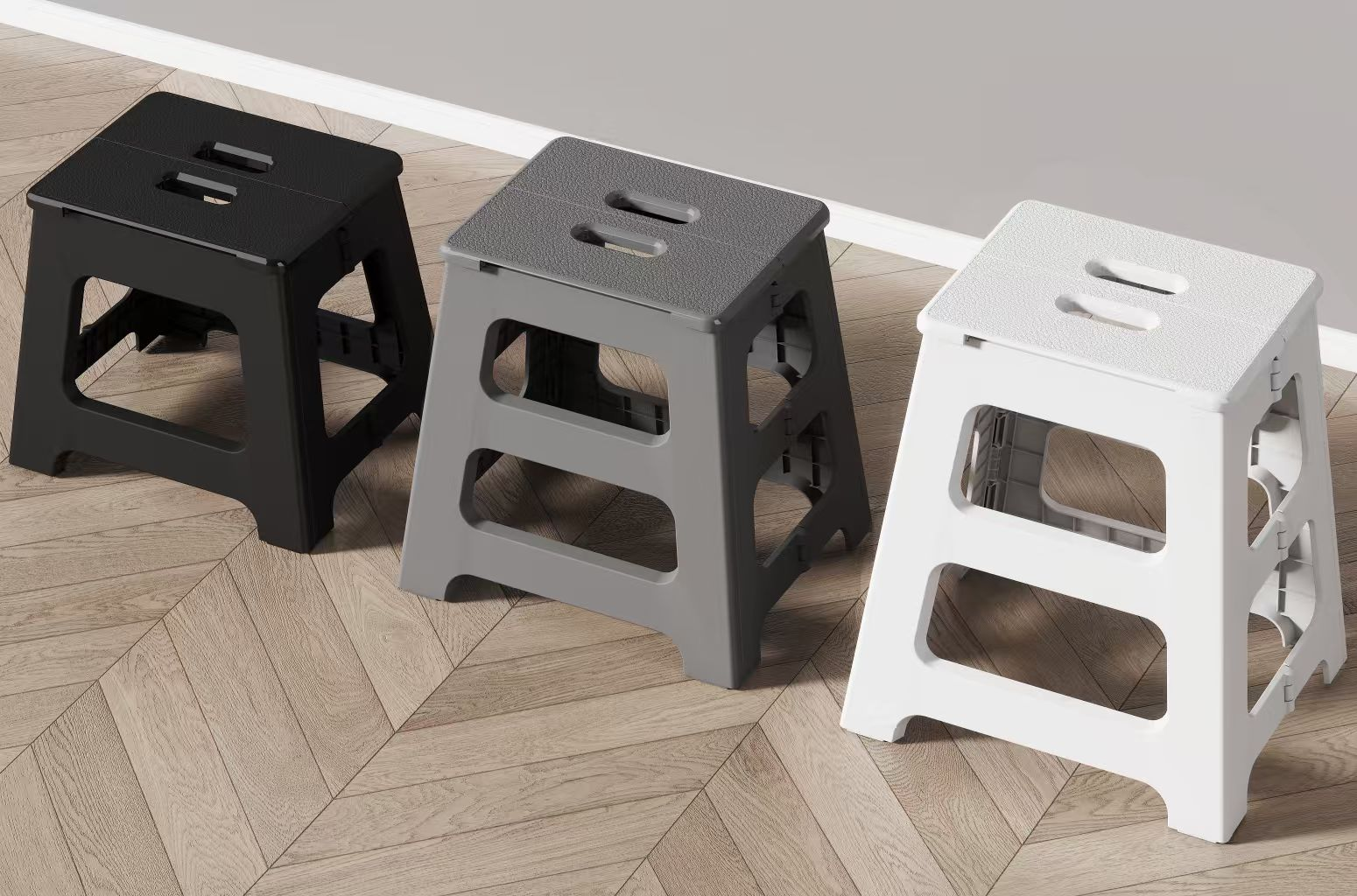
Urban co-living residents leverage foldable chairs across three high-value zones:
- Balcony: Compact profiles (<60cm width) serve as weather-resistant morning nooks
- Living room: Rapid deployment (avg. 8 seconds) handles guest overflow during gatherings
- Rooftop: Sub-3kg weight enables effortless transport for group events
A Tokyo co-living complex reported 92% space efficiency gains after replacing fixed seating with 20 rotating foldable chairs—and residents noted 30% fewer furniture purchases and 78% satisfaction with cross-environment performance. Consistent functionality across polished hardwood, concrete, and exposed balconies underscores their role as spatial optimization tools in high-density housing.
Foldability and Space-Saving Storage Solutions
Folding Mechanisms Compared: Scissor, Cantilever, and Hybrid Locking Systems
When it comes to lightweight foldable chairs, different mechanisms cater to what people actually need. Take scissor systems, which we see all over camping gear. These collapse sideways thanks to those X-shaped parts, but they don't really allow much in terms of reclining positions. Then there are cantilever designs that rely on arms at the back to unfold smoothly and controllably. Some manufacturers have started making hybrid locking systems that mix scissor bases with central hubs. According to a recent report from the Furniture Design Benchmarking folks in 2023, these hybrids offer better stability and set up about 22 percent quicker compared to older frame designs. People living in cities tend to gravitate toward these hybrid models because they strike just the right balance between quick assembly, solid security features, and how small they get when folded away.
Compact Storage Metrics: From 65cm × 15cm × 15cm to Under-10L Folded Volume
Thanks to some clever geometry work, manufacturers have managed to reduce the folded size down to around 65x15x15 cm, which equals about 14.6 liters of space. Some really compact versions even go below 10 liters when they use those telescoping legs combined with tensioned fabric systems. That represents a pretty impressive 45% reduction compared to what was possible back in 2019 according to industry standards. These smaller sizes make it possible to store these items vertically next to closets as shown in several studies on living spaces where every inch counts. But there's a catch though. Frames that get too small, anything under 5 liters when folded, tend to lose quite a bit of strength capacity sometimes dropping by as much as 30%. So while making things super tiny sounds great on paper, engineers need to carefully balance all these factors before finalizing designs for production.
Durability and Weather Resistance for Outdoor Use
Frame and Fabric Longevity: Powder-Coated Aluminum vs. IPX4-Rated Materials
Aluminum frames coated with powder offer exceptional protection against rust, typically lasting 3 to 5 years longer outdoors compared to metal without treatment. The coating sticks to the surface using static electricity and creates a strong connection that stands up to chips, scratches, and rust formation. When it comes to fabric choices, materials rated at IPX4 level (which means they can handle water splashing from any direction) are really important for things used outside regularly. Testing in real world conditions reveals that these IPX4 rated fabrics keep their strength after going through over 200 wet and dry cycles. Meanwhile, fabrics without this protection start showing signs of wear and tear within just 18 months when exposed to normal outdoor conditions.
UV Resistance: Polypropylene Weave vs. Solution-Dyed Polyester in Foldable Chairs
Sunlight takes a real toll on fabrics left outside over time. Regular polypropylene material can stand up to some UV damage at first glance, though most samples start showing noticeable color loss around the 300 hour mark under direct sunlight. The better option comes from solution dyed polyester where the color gets worked into every single strand during manufacturing. These fabrics maintain their bright appearance for well over 1000 hours of sun exposure, which translates to about two or three extra seasons of use before needing replacement in areas with intense sunlight. When looking for maximum durability against weather elements, combining these colored-through polyester covers with frames made from powder coated aluminum provides the best protection combination available today.
Comfort and Ergonomics in Lightweight Foldable Chairs
Lumbar Support in Sub-3kg Designs: Engineering Limits and User Feedback (n=1,247)
Getting good lumbar support below 3kg frames remains tricky for designers. That's why top brands now use tensioned mesh panels along with flexible polymer inserts that actually follow the spine's natural curves. A recent study from 2023 looked at 1,247 people trying these new designs. About two thirds said their backs felt better after using them, but around one fifth noticed the materials started wearing down after months of regular use. What works best? Lightweight aircraft aluminum frames that tip the scales at under 1.2kg. These give manufacturers just enough structural integrity while still keeping things light enough to build those supportive systems without adding bulk.
Seat Depth and Angle: Optimizing for All-Day Indoor vs. Short Outdoor Use
How a chair sits is what makes it work well for different situations. When someone needs to sit inside all day long, the best setup usually has around 40 to 45 centimeters of seat space, with the seat tilted back about five degrees and the backrest at roughly 100 to 110 degrees. This helps take pressure off the lower back and keeps blood flowing properly. For outside use where people need to get up often, manufacturers design shorter seats (about 35 to 38 cm) with more upright backs at around 95 degrees. These make it easier to stand up quickly and see what's going on around them. Some studies indicate that these outdoor friendly designs cut down on discomfort feelings by about a third after sitting for two hours compared to regular office chairs. The really good ones adjust themselves based on where they're used deeper cushions for meetings in big rooms, tighter curves for backyard seating but still stay light enough to carry around without breaking a sweat.
FAQ Section
What materials are used in foldable chairs to make them lightweight?
Foldable chairs often use materials like aerospace grade aluminum and reinforced nylon composites which are about 40% lighter than regular steel while still providing strength and durability.
How much weight can a 2.8kg foldable chair support?
A 2.8kg foldable chair can support up to 113 kilograms, due to clever engineering that distributes weight efficiently and passes rigorous testing standards for durability.
Are lighter foldable chairs always better?
Not necessarily. Chairs below 2.5kg often face stability issues and reduced comfort. The most popular models balance weight with functionality in the 2.5 to 2.8kg range.
What is the benefit of powder-coated aluminum in foldable chairs?
Powder-coated aluminum provides excellent rust protection, making it last 3 to 5 years longer in outdoor conditions compared to untreated metal.