 EN
EN


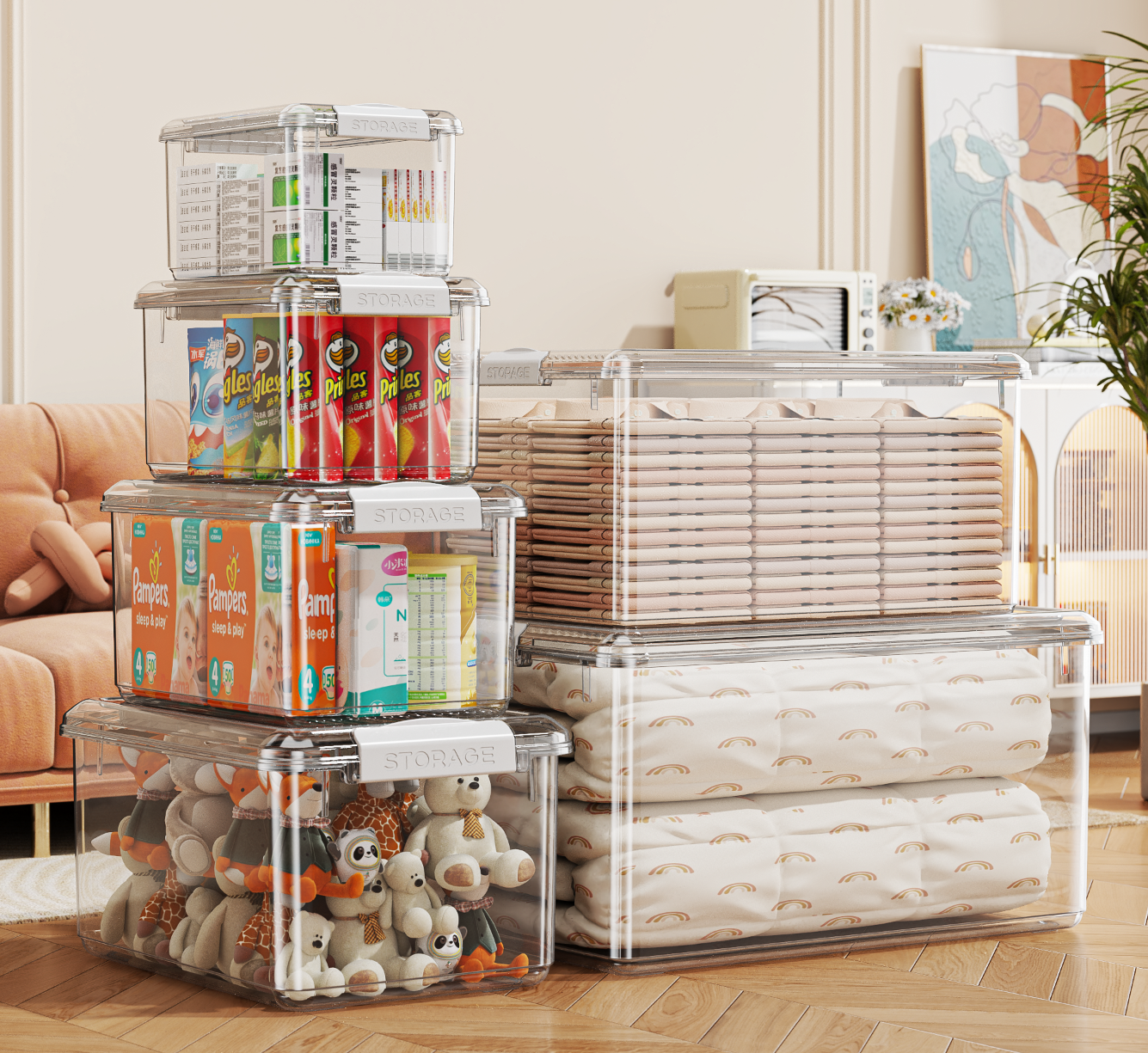
Why PET Delivers Unmatched Clarity and Barrier Performance
Moisture Resistance Mechanism: PET’s Inherent Polymer Structure
The reason PET resists moisture so well lies in its semi crystalline structure. The molecules pack together tightly, and those rigid benzene rings basically block water molecules from getting through. Because of this natural water repelling property, PET only absorbs less than half a percent moisture, which actually beats polypropylene hands down and means no more applying those cloudy protective coatings. What makes PET really stand out is its glass transition temperature around 75 degrees Celsius. This allows the material to keep its shape even when humidity levels change, something that matters a lot in sensitive areas like electronic components packaging and medicine containers where clear visibility and strong barriers against contaminants simply cannot be compromised.
Clarity vs. Protection Trade-Off? Debunking the Surface Treatment Myth
Polyethylene terephthalate or PET offers really good optical clarity with about 90% light transmission and solid barrier properties. What makes this possible isn't just surface treatments but something deeper in the material structure itself called controlled crystallinity. At the nanoscale level, engineers work to balance areas that remain amorphous for transparency against crystalline sections that provide resistance to gases and vapors. This balance results in oxygen transmission rates staying well below 1.5 cc per square meter per day. Since PET materials are naturally inert and stable, they block around 99.9% of ambient moisture without needing any special additives or laminates. This means refractive indices stay under 1.58 while also sidestepping those visual issues that come with traditional coatings or co-extrusion methods.
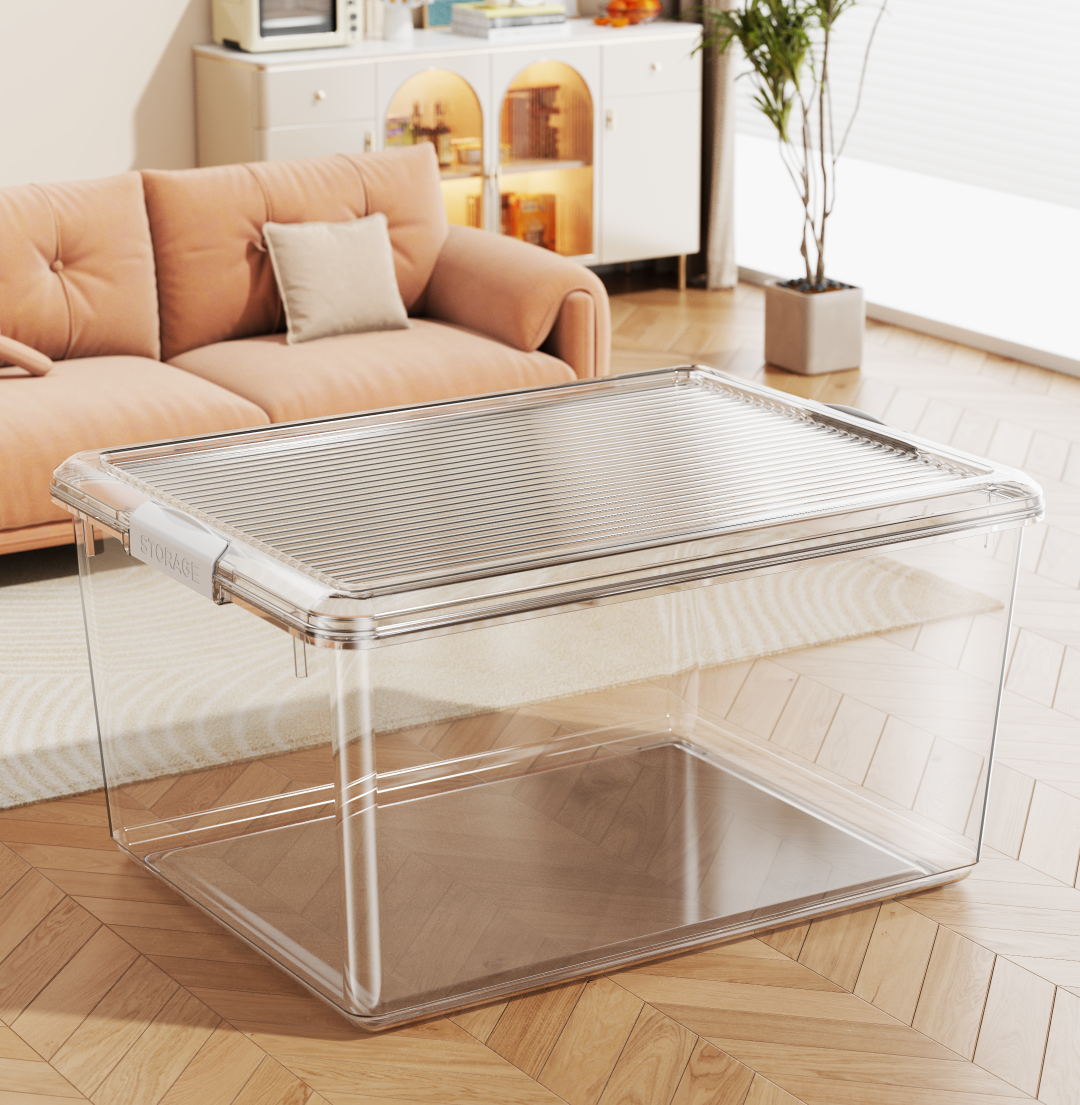
Clear Box Applications in High-Sensitivity Industries
Electronics Packaging: Static-Safe, Dust-Free Visibility for Precision Components
Clear PET boxes offer protection for microchips, printed circuit boards, and various electrostatic sensitive parts thanks to their built-in anti-static features and dust resistant seals. These containers let over 90 percent of light pass through, so workers can actually see what's inside without having to open them first. This simple visibility cuts down on handling mistakes by around 27% according to industry standard IPC-2221B guidelines when used on production lines. What makes PET really stand out is its low water vapor transmission rate of less than 0.05 grams per square meter every 24 hours. This means the delicate connections between components stay protected from oxidation, no matter how much the environment changes during manufacturing processes.
Pharma & Medtech: Validated Compliance with ISO 11607 and USP <671>
Clear PET folding boxes are commonly used as primary packaging solutions for pharmaceutical products that need protection from microbes and moisture. These containers have been tested according to ISO 11607 standards and successfully passed USP <671> compatibility checks, which means they won't release substances that could interact with medications. The accelerated aging tests show that the barrier properties stay intact for over two years, making them suitable for products sensitive to humidity changes. Ultrasonic welding creates seals with around 99.8% reliability on automated production lines, surpassing the ASTM D683 peel strength requirements. Plus, the transparent design allows complete visibility inside the box so quality control teams can verify sterility without opening the package.
Functional Design of Clear Folding Boxes: Seal Integrity Without Obscuring Content
Snap-Lock & Tuck-Flap Engineering for Reliable Dustproof Closure
Today's clear box packaging incorporates snap lock features made with precision molds and extra strong tuck flaps that seal consistently without needing glue. The special interlocking shapes distribute pressure evenly around the edges so gaps don't form when boxes go through simulated transportation vibrations according to ISTA 3E standards. These snap locks hold up much better than simple friction fit lids after multiple openings and closings, plus they make it easy to open with just one hand. Extended tuck flap designs strengthen those corners where dust tends to get in first, all without covering up any part of what's inside. Testing done following ASTM D5276 guidelines found these closures cut down on dust entry by nearly 99% while still letting about 92% of the product remain clearly visible to customers.
Ultrasonic Welding vs. Mechanical Seals: Real-World ASTM D683 Performance Data
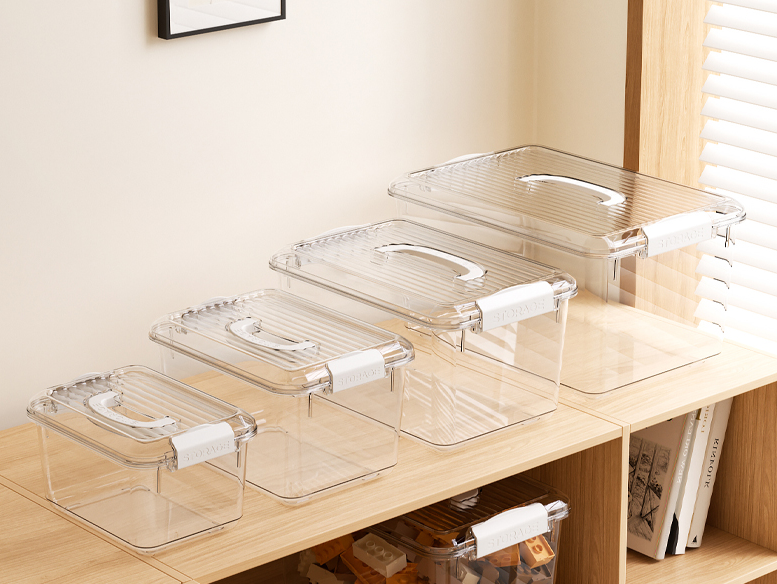
When using ultrasonic welding on PET materials, the process actually bonds them at a molecular level. This creates joints that look completely seamless and have optical clarity. Tests show these joints can handle over 12 Newtons per millimeter of peel force according to studies published in materials science journals. What makes this method so good is that it gets rid of those pesky glue lines, leftover tape marks, or mechanical fasteners which always seem to block views or mess up the appearance of products. Looking at traditional methods like gaskets or clips, their mechanical seals typically only manage around 8 N/mm peel strength while taking up roughly 15 to 20 percent of the panel space. According to ASTM D683 tests, the welded joints can endure about three times more compression cycles before showing signs of wear. Something else worth noting is that PET welded this way keeps transmitting over 95 percent of light through it compared to just 70 to 85 percent transmission when relying on gaskets. So basically, getting great protection doesn't mean sacrificing visibility anymore.
FAQ
What is PET?
PET, or polyethylene terephthalate, is a type of plastic known for its strong barrier performance against moisture and excellent optical clarity.
How does PET resist moisture?
PET's semi-crystalline structure with tightly packed molecules and rigid benzene rings blocks water molecules, allowing it to absorb less than half a percent moisture.
What industries benefit from PET's properties?
Industries like electronics packaging and pharmaceuticals benefit from PET's moisture resistance and clarity, providing protection and visibility for sensitive items.
Why is ultrasonic welding preferred over mechanical seals?
Ultrasonic welding for PET materials creates seamless bonds without visual obstruction, offering superior seal strength and clarity compared to traditional mechanical seals.