 EN
EN


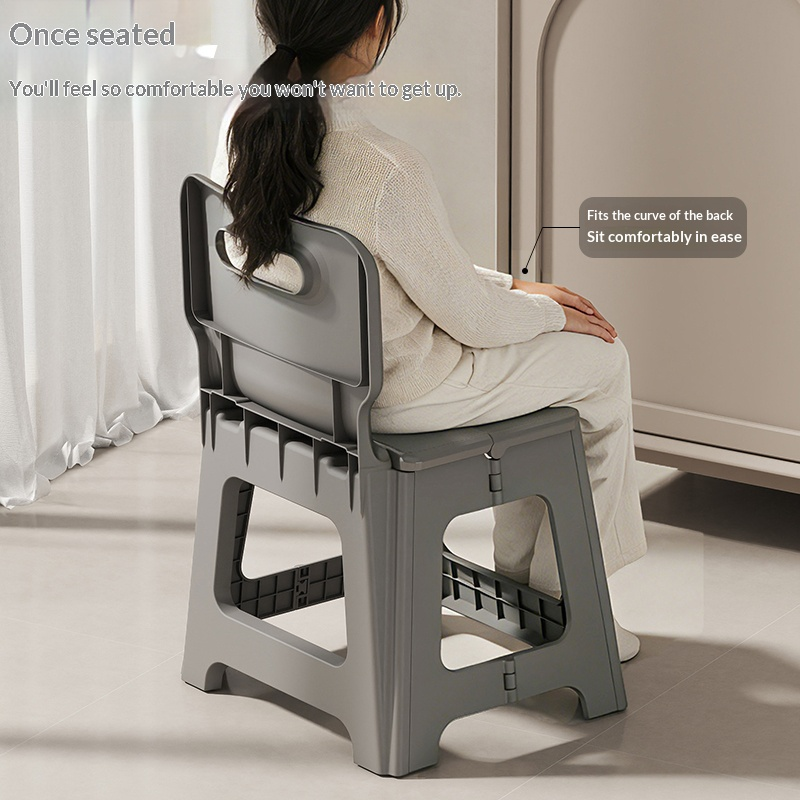
Foldable Chair Weight Capacity: How Material and Construction Determine Load Limits
Plastic, Mesh, and Metal Frames: Real-World Load-Bearing Performance
Regular plastic frames generally hold between 250 to 400 pounds, whereas the better quality ones can manage around 500 to 600 pounds. However, because of how flexible polymers are, people sometimes feel a bouncy effect when weight is applied, which makes things seem less stable than they actually are. Frames with mesh backs do spread weight pretty well overall, but there's a limit to how tight the fabric can get stretched. When someone regularly sits on them with more than about 300 pounds, the mesh tends to sag before it should. Metal frames beat both options hands down, usually handling static weights from 600 up to 800 pounds. Something important to remember though is that real world situations matter a lot. For instance, when someone plops down forcefully instead of sitting gently, this cuts into what each material can really handle by roughly 30 to 40 percent. How weight gets distributed across the frame makes all the difference too. Plastic works great when everything is spread out evenly, but if pressure builds up in one spot, those frames are prone to cracking right where it matters most.
Steel, Aluminum, and Zinc Alloy: Strength-to-Weight Ratios and Yield Thresholds
Material physics define fundamental load ceilings:
- Steel offers the highest yield strength (500+ lbs) but adds significant weight
- Aluminum achieves 80% of steel’s strength at 50% less weight—ideal for portable designs
- Zinc alloys provide corrosion resistance but lower thresholds (max 350 lbs)
| Material | Strength-to-Weight Ratio | Optimal Use Case |
|---|---|---|
| Steel | 1:1 (benchmark) | Permanent heavy-duty setups |
| Aluminum | 1.8:1 | Portable event seating |
| Zinc Alloy | 0.7:1 | Light occasional use |
Frame geometry amplifies these properties: triangular leg bracing increases load tolerance by 200% versus vertical designs. Cross-bolted joints prevent shear failure—a leading cause of collapse beyond 400 lbs.
Top Heavy-Duty Foldable Chairs Rated for Adults Up to 500 lbs
BIFMA X5.1-Certified Models: Verified Static Load Ranges (350–500 lbs)
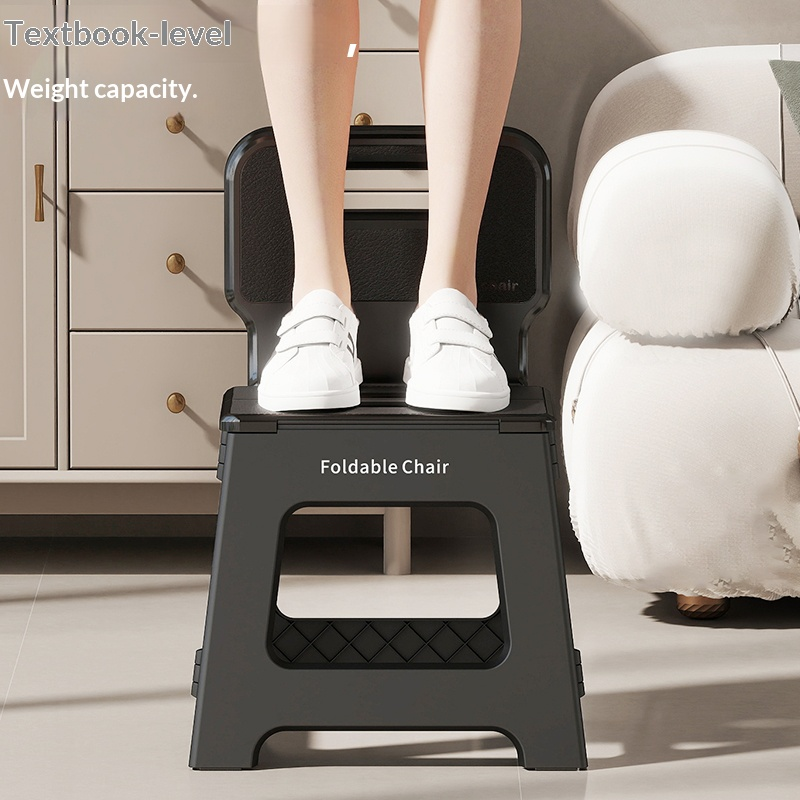
The BIFMA X5.1 certification is basically the gold standard when it comes to verifying whether foldable chairs can handle real world use. Chairs that pass this test have steel frames that are extra strong and legs designed in ways that spread out weight properly. These certified seats can actually hold between 350 to 500 pounds according to lab results. What's really important here is that they don't bend or break under heavy pressure from adults who need solid seating support. Regular office chairs often skip these tests entirely. But BIFMA approved models go through thousands upon thousands of sit down stand up cycles in testing labs just to make sure all those joints stay intact over time. Most manufacturers reach these top scores by incorporating materials typically found in airplane parts and building their chair legs with extra bracing so no single point bears too much weight when someone sits down.
Why Dynamic Use—Leaning, Swiveling, or Standing—Reduces Effective Capacity by 30–40%
The weight ratings listed on chairs typically assume someone sits perfectly still, but when people actually move around, things get complicated fast. When someone leans back in their seat, it puts way more stress on those back legs than expected – sometimes as much as double what's normal. Swiveling around or getting up from the chair creates sudden shocks throughout the frame too. Studies have found that all this movement can cut down how much weight a chair can really handle by about a third to almost half. That means even if a chair says it holds 500 pounds, in reality it might struggle with anything over 300 or so once someone starts moving naturally. These are important things to keep in mind when choosing office furniture.
| Force Type | Stress Increase vs. Static | Capacity Reduction |
|---|---|---|
| 15° Backward Lean | 180–220% | 35–40% |
| Arm-Assisted Stand | 150–190% | 30–35% |
| Lateral Shift | 120–160% | 25–30% |
High-tensile seat webbing minimizes this drop by absorbing kinetic energy—but always maintain a 25% weight buffer for safety.
Critical Structural Features That Ensure Safety for Heavy Users
Reinforced Joints, Optimized Leg Angle Geometry, and High-Tensile Seat Webbing
When looking at heavy duty folding chairs, there are really three main things that keep them standing strong under adult weight. The first thing to check is those reinforced joints. Most good quality chairs have either double rivets or welds at the connection points where the chair folds. These spots tend to break down over time if they're not properly built, especially after repeated use. Next up, look at how the legs are positioned. Quality chairs usually have legs that spread out between about 10 to 15 degrees from vertical. This creates a much wider base which helps distribute weight straight down instead of sideways. We've seen this design cut tipping accidents almost in half compared to chairs with straight legs. Lastly, pay attention to what's holding up the seat itself. Instead of regular fabric, top models use high tensile strength webbing rated for around 800 pounds per inch or better. This keeps everything tight even when someone gets up and sits down repeatedly throughout the day. All these parts work together- the joints take the pressure, the angled legs reduce wobbling side to side, and the webbing spreads out the weight evenly across the whole seat. Before buying, always double check these specs against what you need, particularly if anyone over 300 pounds will be using the chair regularly.
How to Choose the Right Foldable Chair for Heavy Adults: A Practical Decision Framework
When looking for a folding chair that can handle heavier individuals, there are several things worth considering. The most important thing is making sure the chair can actually support the intended weight. A good rule of thumb is to go for chairs rated at least 50-100 pounds above what someone weighs. So if someone is around 400 pounds, they'd want something rated for 500 lbs minimum. This extra capacity helps when people move around or shift positions while sitting. Next up is how sturdy the chair feels. Steel frames tend to last longer than aluminum ones, especially after years of regular use. Chairs with extra reinforcement at the legs and wider bases generally stay more stable because they spread out the weight better across the floor. Finding the right mix between lasting quality and easy storage is tricky but possible. Non-slip feet help keep chairs from sliding around on smooth floors, which makes a big difference in comfort. Some models manage to be thin enough to store away easily without cutting corners on important details like strong welds or durable seating material. Portability is nice to have, sure, but don't skip over those official safety ratings just to save a few pounds in weight.
FAQ
Q: What materials are best for heavy-duty foldable chairs?
A: Steel and aluminum frames are preferable for their strength and durability, with steel offering the highest yield strength and aluminum providing a lightweight option.
Q: Why do dynamic uses reduce the effective capacity of foldable chairs?
A: Dynamic uses such as leaning, swiveling, or standing increase stress on the chairs, which can reduce their effective capacity by approximately 30-40% because these actions introduce additional force.
Q: How should I choose a foldable chair for heavier adults?
A: Select a chair that supports at least 50-100 pounds more than the user's weight for added safety. Consider stability of the frame, material durability, reinforcement legs, and storage considerations.