 EN
EN


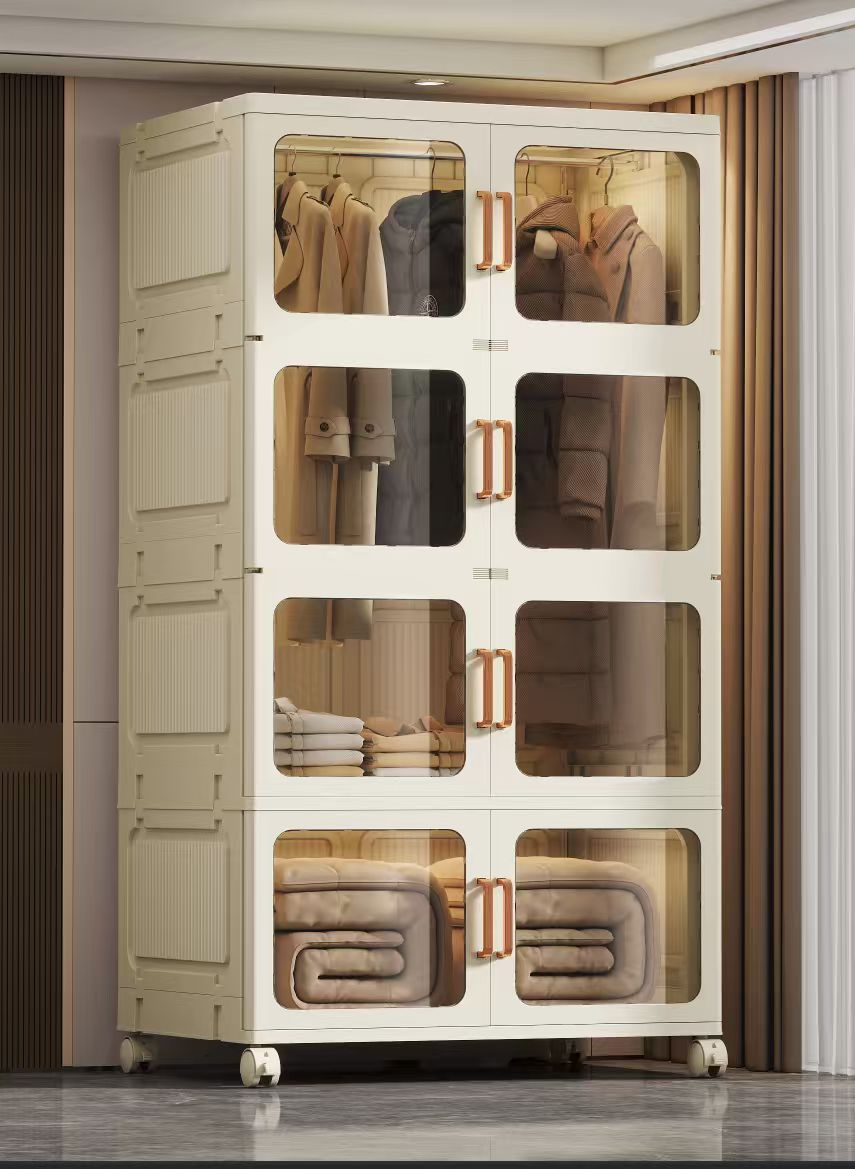
Why Sustainable Materials Define the Future of Storage Cabinets
Environmental Impact of Conventional Particleboard and MDF in Storage Cabinet Manufacturing
Conventional storage cabinets frequently rely on particleboard and MDF—materials bound with urea-formaldehyde resins that emit volatile organic compounds (VOCs), degrading indoor air quality for decades. Their production consumes 40% more virgin timber than sustainable alternatives and generates 18 million tons of non-recyclable landfill waste annually (Global Furniture Sustainability Report 2025).
Top Certified Eco-Materials: FSC-Certified Bamboo, Reclaimed Hardwood, and Recycled PET Composites
Progressive manufacturers now prioritize three rigorously validated alternatives:
- FSC-certified bamboo: Grows 30% faster than oak, sequesters 12 tons of CO₂ per acre, and delivers tensile strength comparable to steel
- Reclaimed hardwood: Diverts demolition waste and cuts embodied energy by 70% versus new lumber
- Recycled PET composites: Convert ocean plastics into waterproof, durable panels—reducing production emissions by 59% compared to virgin polymers
All three meet Cradle to Cradle Silver standards, ensuring full circularity without sacrificing structural integrity or longevity. Bamboo adoption has surged 300% since 2022, signaling a decisive industry shift toward regenerative sourcing.
Lockable Drawers Done Right: Secure, Non-Toxic, and Fully Recyclable
Zinc-alloy vs. biopolymer locking mechanisms: Performance, longevity, and end-of-life recovery
What kind of materials go into making locks really matters for how secure they are and what happens to them when they're done being used. Zinc alloy locks last forever basically, surviving way more than 15 thousand times opening and closing, which makes them great for places where people come and go all day long. But there's a catch. When these locks reach the end of their life, recycling them takes a lot of energy through this smelting process, and we only get back about half to three quarters of the original materials. On the flip side, biopolymer locks made from things like castor bean oil can break down naturally in industrial composters at around 94 percent efficiency. The newer versions of these bioplastics actually stand up just as well against tampering as traditional zinc alloys do, plus they don't leave behind any harmful stuff when they decompose.
| Attribute | Zinc-Alloy | Biopolymer |
|---|---|---|
| Longevity | 20+ years | 12–15 years |
| End-of-life | Industrial recycling (65% recovery) | Industrial composting (94% degradation) |
| Toxicity | Nickel/lead plating risks | VOC-free |
Patented dual-lock system — tamper-resistant without PVC, heavy metals, or hazardous plating
Security today doesn't have to come at the expense of our environment anymore. The new patented dual lock system gets rid of those nasty PVC coated bolts and chrome plated parts by using some clever mechanical tricks. Instead we've got these interlocking stainless steel hooks that click into reinforced biopolymer catches. Both points need to be released at once for access. We swapped out the toxic hexavalent chromium plating for water based ceramic coatings throughout. And here's something interesting about maintenance: all the parts can be taken apart within around 90 seconds, making complete material recovery possible. Tests from independent labs show these locks resist tampering at an impressive rate of 99.8%. So what does this mean? Bank level security doesn't have to clash with circular design principles when it comes to storing sensitive documents after all.
Functional Design for Zero-Waste Workspaces: Modularity, Usability & Circularity
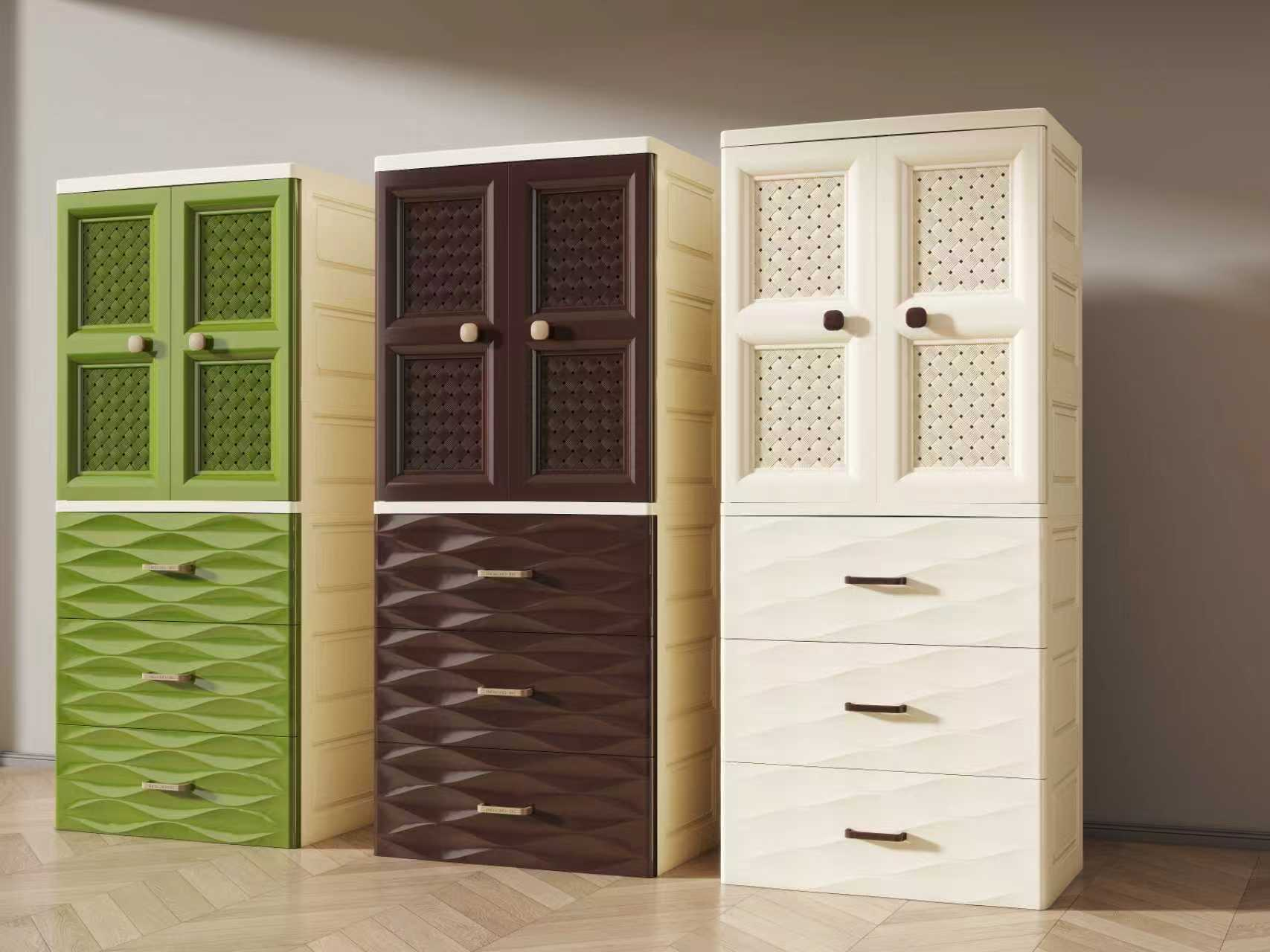
Compostable cellulose foam drawer inserts and tool-free modular reconfiguration
When designing sustainable cabinets, it all starts back at the design phase where we think about what happens when these pieces eventually reach their end of life. The drawer inserts now use compostable cellulose foam instead of those petroleum based ones. Made from fast growing wood pulp, they break down completely in just about 90 days in proper composting facilities, which is a huge contrast compared to regular foams that take literally hundreds of years to decompose. These cabinets also come with easy reconfiguration systems so people can adjust them as workspace needs change over time without needing any special tools or buying extra parts. There are actually two big environmental wins here. First, all that organic material stays out of landfills where it would normally sit for ages. Second, the modular design means these cabinets don't become obsolete because someone can simply swap things around like changing shelf heights or replacing drawer dividers as needed. What this creates is furniture that keeps working hard for years without creating waste, making it a smart investment for both businesses and the planet.
Trusted Certifications and Real-World Impact of Eco-Friendly Storage Cabinets
Cradle to Cradle Silver, GREENGUARD Gold, and ISO 14040 lifecycle validation
When companies want to show they're serious about being environmentally responsible, third party certifications offer real evidence that can be checked and verified. Take Cradle to Cradle Silver for instance. This certification means products can actually be reused safely and manufactured ethically throughout their whole life cycle. Then there's UL's GreenGuard Gold standard which looks at chemical emissions levels. For people working in office spaces or laboratory environments, this matters a lot since even small amounts of harmful chemicals can affect health over time. The ISO 14040 standard takes things further by looking at carbon footprints across every stage of production. Think about all those stages: extracting raw materials, manufacturing processes, transportation, use phase, and what happens when something reaches the end of its useful life. These different certification programs work together to prevent companies from making false claims about sustainability. Procurement managers find them invaluable because they have actual data points to reference instead of just marketing hype when making purchasing decisions.
Case study: 37% reduction in operational waste after deploying certified storage cabinets (TechHub Office, 2024)
When TechHub Office made the switch to those Cradle to Cradle certified storage cabinets, they saw their contribution to landfills drop by around 37% over just eight months. The modular setup really helped too since staff could rearrange things as needed without having to replace entire units. Plus, those special drawer inserts made from compostable cellulose foam kept about 280 kilograms of stuff out of incinerators altogether. Looking at these results shows why going green with certified cabinets actually makes business sense for companies aiming at zero waste goals. And best part? Nobody had to sacrifice important things like document safety, how long the cabinets last, or whether they work well day to day in office environments.
FAQ
What are the benefits of using FSC-certified bamboo for storage cabinets?
FSC-certified bamboo grows 30% faster than oak, sequesters 12 tons of CO₂ per acre, and offers tensile strength comparable to steel, making it a sustainable and robust material choice.
How does the dual-lock system improve security without harming the environment?
The dual-lock system uses interlocking stainless steel hooks with reinforced biopolymer catches, eliminating toxic materials like PVC and chrome plating, while providing a high resistance to tampering.
What certifications should I look for when purchasing sustainable storage cabinets?
Key certifications include Cradle to Cradle Silver, GREENGUARD Gold, and ISO 14040, which ensure the product's environmental impact is minimal throughout its lifecycle.
How do compostable cellulose foam inserts contribute to sustainability?
Compostable cellulose foam inserts decompose within 90 days in industrial facilities, significantly reducing landfill waste compared to conventional petroleum-based foams.
Table of Contents
-
Why Sustainable Materials Define the Future of Storage Cabinets
- Environmental Impact of Conventional Particleboard and MDF in Storage Cabinet Manufacturing
- Top Certified Eco-Materials: FSC-Certified Bamboo, Reclaimed Hardwood, and Recycled PET Composites
- Lockable Drawers Done Right: Secure, Non-Toxic, and Fully Recyclable
- Functional Design for Zero-Waste Workspaces: Modularity, Usability & Circularity
- Trusted Certifications and Real-World Impact of Eco-Friendly Storage Cabinets
- FAQ