 EN
EN


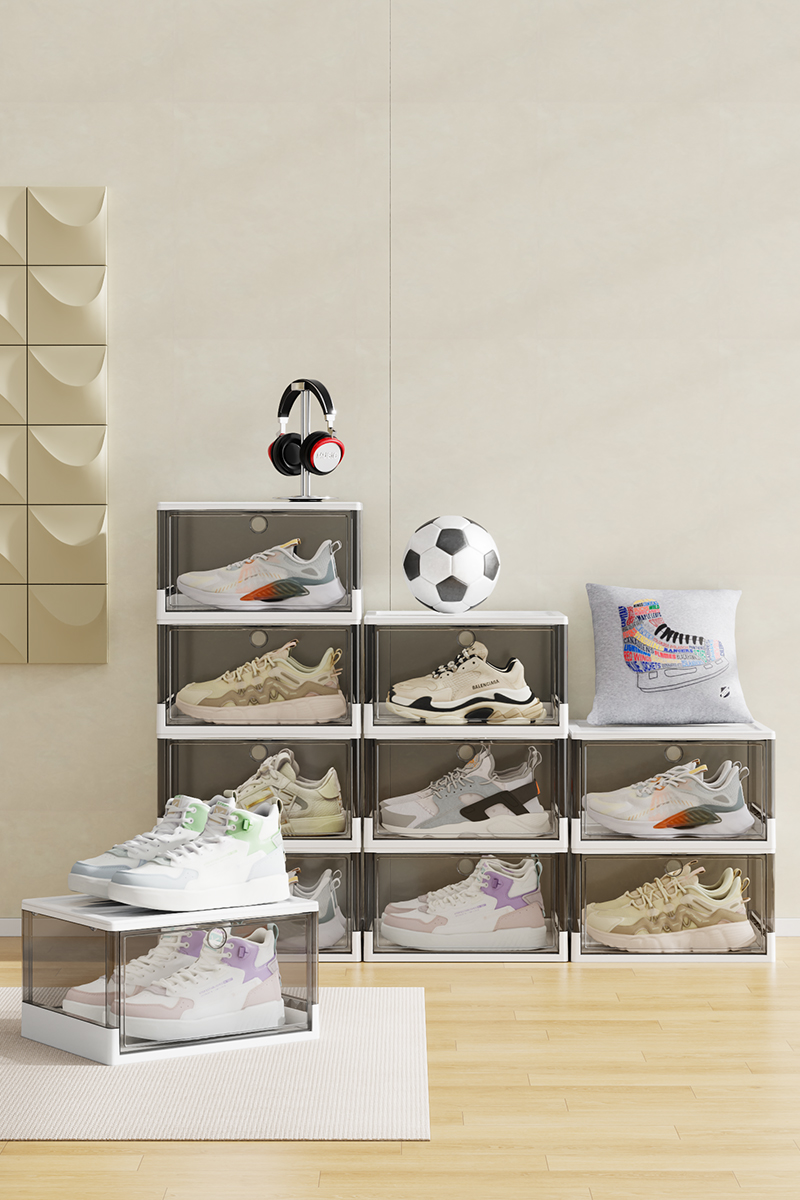
Why Foldable Shoe Cabinets Excel in Small-Space Living
Foldable shoe cabinets are game changers for tight entry spaces because they tackle two big problems people face in small apartments: messy floors and wasted room. When collapsed, these cabinets can free up anywhere from 60 to 80 percent of floor area, which makes all the difference in really tiny spots like hallways or studio apartments where there's literally no extra breathing room. Instead of taking up valuable floor space, these storage units go upwards, stacking shoes vertically while still keeping them easy to reach. According to research from the Space Optimization Institute released last year, homes that switched to foldable storage options ended up with walkways that were nearly 40% wider compared to traditional fixed furniture arrangements.
When shoes are kept inside enclosed spaces instead of lying around everywhere, it makes a huge difference visually speaking. This is actually one of those core ideas behind minimalist design principles, because when there's less clutter in sight, rooms just automatically seem bigger somehow. According to research published in the Home Organization Journal, dust resistant doors can cut down on how often people need to clean by about half. That matters a lot for folks who rent places or move frequently since these storage units weigh between 15 and 22 pounds max. Plus they come together without needing any tools at all, which means anyone can take them apart and put them back somewhere else whenever needed. Perfect solution for small living situations like studios or tiny houses where space flexibility counts for everything.
The newer versions do much more than just hold stuff these days. A lot come with hidden seating areas or built-in USB-C ports so people don't have to clutter up their space with extra furniture. City planners are starting to recommend them for small entry spaces that measure around 10 square meters or less. They're not just looking at how much stuff fits in there either. These compact solutions make sense in expensive housing areas where every inch costs money. Some places charge over $740 per month just for extra square footage according to the latest Urban Housing data from last year.
- Vertical efficiency: 12–18 pairs stored in a 1.5 sq. ft footprint
- Deployment ratio: 1:4 folded-to-open space conversion
- Clutter reduction: 72% fewer visible objects in entry zones (Minimalist Home Audit)
By collapsing when not in use, these cabinets embody the “disappearing furniture” trend—delivering full utility during active use, then vanishing to preserve open, uncluttered space.
Essential Features of a High-Performance Foldable Shoe Cabinet
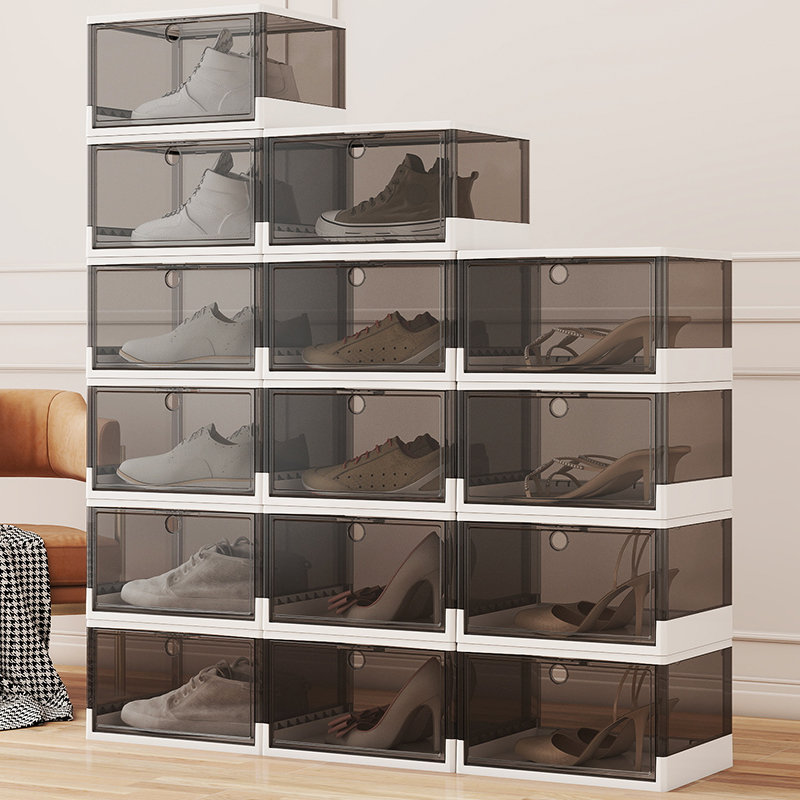
Enclosed Storage for Visual Clutter Control
Enclosed compartments are non-negotiable in high-performance foldable shoe cabinets. Unlike open racks, sealed storage prevents dust buildup and hides visual chaos—studies show enclosed designs reduce perceived disorder by over 60%. For optimal function:
- Full-height doors fully conceal shoes
- Deep compartments accommodate boots and oversized footwear
- Ventilated panels mitigate odor (especially critical for athletic shoes)
- Smudge-resistant finishes simplify daily maintenance
This design transforms entryways from chaotic transition zones into streamlined, psychologically calming spaces.
Multi-Functional Integration: Seating, Mirrors, and Charging
Top-tier foldable cabinets maximize utility through purpose-built integrations that turn storage into multi-purpose hubs. Leading models include:
- Weight-rated flip-down seating (300+ lb capacity) for convenient shoe changes
- Wall-mounted mirrors to streamline morning routines
- Dedicated charging stations with USB-C ports
- Motion-sensor LED interiors for effortless access
These features reduce reliance on standalone furniture—enabling one unit to serve up to four distinct functions. That versatility makes them indispensable in compact urban homes where redundancy is unsustainable.
Optimal Foldable Shoe Cabinet Dimensions for Tight Entryways
Getting the right size cabinetry makes all the difference for keeping things clear while still storing necessary shoes. Look for storage units around 18 inches deep at most. These typically hold anywhere from six to twelve pairs of shoes, even those big winter boots we all dread dealing with, without getting in the way of normal walking paths that are usually between 36 and 40 inches wide. The height matters too. Something between 30 and 34 inches works well because it keeps the view open and doesn't bump into ceilings or light switches in tight spaces. And here's what really counts when space is limited: check how compact these cabinets get when folded away. Some top quality models actually shrink down to less than 12 inches deep, which frees up precious floor room whenever they're not being used.
Depth, Height, and Folded Profile: The 16–18" Depth Standard Explained
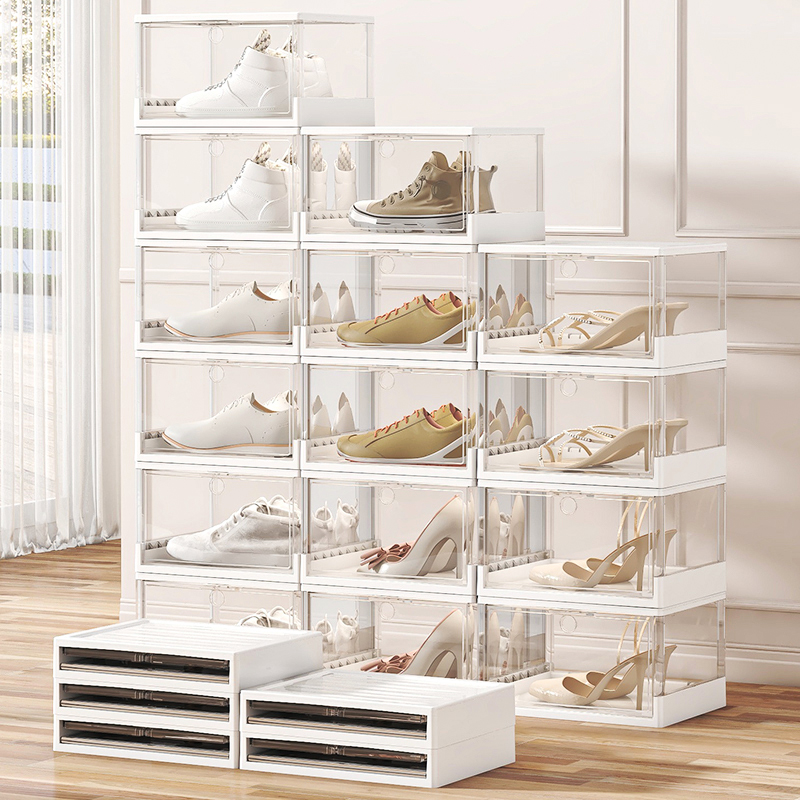
A depth range of around 16 to 18 inches works really well for those tight entry spaces. It's deep enough to fit even large athletic shoes or knee high boots, but not so deep that it eats up all the space in standard alcoves, leaving about 22 inches or more of room to move around. Height matters too. Something between 30 and 40 inches tall won't block windows or light switches, and still lets people reach stuff on upper shelves without stretching too much. When folded down, good quality models typically shrink their footprint by about half, sometimes getting down to just 8 or 10 inches thick. This kind of compact folding saves roughly five square feet of floor space, which is actually comparable to the size of a regular welcome mat. Before buying anything, it's smart to measure the narrowest part of your hallway to make sure everything will fit properly when stored away.
Fold Mechanism Comparison: Tilt-Out, Vertical Lift, and Modular Systems
Tilt-Out Design: Maximized Floor Space Recovery with 90° Deployment
Shoe cabinets that tilt out pivot forward about 90 degrees and need very little space in front usually around 7 or 8 inches is plenty. When these cabinets are closed, they take back almost all the floor area in hallways, which makes them really useful where there's not much room to spare, especially in narrow passageways less than 3 feet wide. Vertical lift systems require space above them for operation, but tilt outs work fine even if coats hang below or ceilings are low. The drawers open at an angle so people can see their shoes right away instead of digging through boxes. Folded against the wall, these units stick out less than other modular options that have to be taken apart piece by piece. Anyone dealing with super cramped areas who still needs quick access to their shoes will find tilt out mechanisms to be the best bet for saving space.
FAQ
What are foldable shoe cabinets?
Foldable shoe cabinets are space-saving storage solutions designed to keep shoes organized and reduce clutter in small living areas. They can collapse, freeing up floor space, and expand when needed to store shoes vertically.
How do foldable shoe cabinets help in small spaces?
They minimize floor clutter, allow vertical shoe storage, and are capable of holding a large number of items in a compact footprint, thus optimizing available floor space.
What features should a high-performance foldable shoe cabinet have?
Look for full-height doors, deep compartments, ventilated panels, and smudge-resistant finishes to ensure cleanliness and organization.
Are there any additional functionalities in modern foldable shoe cabinets?
Yes, some models include seating, mirrors, charging ports, and motion-sensor lighting for added convenience.
What is the ideal size for a foldable shoe cabinet?
A depth of 16-18 inches and a height of 30-34 inches is optimal for tight spaces, striking a balance between capacity and space-saving.