 EN
EN

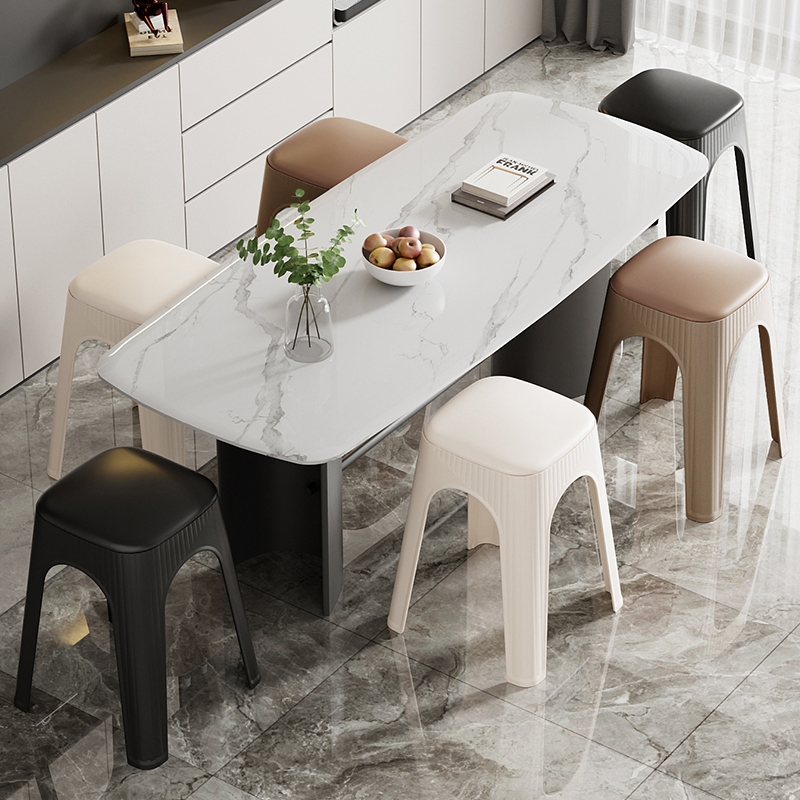
The Evolution of Plastic Chairs in Modern Interior Design
From Utility to Style: How plastic chairs became design staples in contemporary homes
Plastic chairs used to be stuck on back patios or cheap corners of stores, but these days they're making serious waves in upscale home designs thanks to some cool material advances. Companies are taking those old industrial plastics we know as polypropylene and shaping them into sleek, almost sculptural pieces that look like expensive stuff without breaking the bank. A recent survey from the Furniture Materials Report shows something interesting too: nearly seven out of ten interior designers are choosing plastic seating options for contemporary spaces. They love how versatile plastic looks and how it doesn't cost a fortune compared to real marble or glass alternatives.
Design Principles: Balancing affordability, durability, and aesthetic innovation in plastic chair production
Rotational molding enables seamless, load-bearing designs under $150 that support over 300 lbs. Key priorities in modern production include:
- Visual weight reduction: Slim profiles (under 3" thick) for small-space compatibility
- Surface engineering: Matte finishes resist fingerprints better than glossy retro styles
- Climate resilience: UV inhibitors prevent yellowing in sunlit rooms
These advancements allow durable performance without sacrificing style.
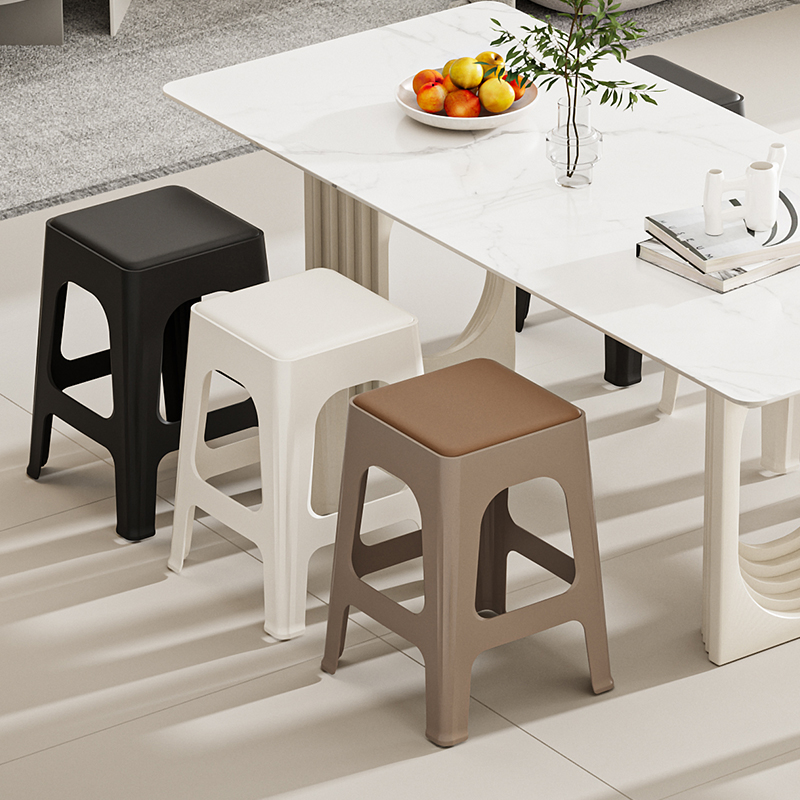
Case Study: Scandinavian-inspired interiors using minimalist plastic chairs in urban apartments
Copenhagen's Nytorget Square apartments showcase the potential of injection-molded transparent chairs with integrated side tables. As noted in the Acrylic Furniture Evolution Report, these pieces increased perceived floor space by 31% in 55m² units while offering scratch-resistant seating ideal for dual-working households.
Trend Analysis: Rising demand for stylish and functional plastic furniture in modern living spaces
E-commerce data shows a 142% year-over-year increase in sales of sculptural plastic chairs priced between $200 and $500. The most popular styles reflect evolving lifestyle needs:
| Style | Key Feature | Target Audience |
|---|---|---|
| Cantilevered | Space-saving footprint | Urban millennials |
| Modular stackables | Event-to-storage use | Multigenerational homes |
| Biomorphic | Organic curves | Postmodernists |
This growth underscores a shift from utility to intentional design.
Long-Term Value: Evaluating material quality and style longevity beyond initial cost
High-grade polycarbonate chairs last 12+ years—over twice as long as budget alternatives. Leading manufacturers now offer:
- Fade warranties matching hardwood furniture (up to 10 years)
- Interchangeable seat cushions for trend adaptation
- Closed-loop recycling programs reducing environmental and replacement costs
Durability and sustainability are redefining value in plastic seating.
Acrylic and Transparent Plastic Chairs: Minimalism Through Visibility
Design Phenomenon: The Rise of Clear and Tinted Acrylic Chairs in Sleek Interior Schemes
What started as simple seating solutions has transformed into something much more special for today's interiors. According to the Design Industry Report from last year, these see-through plastic chairs show up in about two thirds of all modern home designs. The way they let light pass through gives rooms that airy, almost weightless look so popular among fans of minimalism. Plus, manufacturers now make them with special coatings that stop them from yellowing over time when exposed to sunlight. Many interior designers love combining these clear or colored acrylic seats with shiny metal finishes or rough textured surfaces around them. This contrast between smooth transparency and other materials adds depth without losing that clean, uncluttered feeling people want in their living spaces nowadays.
Spatial Strategy: Using Transparent Plastic Chairs to Enhance Openness in Small or Minimalist Rooms
The clear material of acrylic chairs lets in significantly more light than regular opaque options thanks to how they bend and scatter light. For people living in small apartments where space feels tight, this makes a big difference. According to recent research, around 8 out of 10 city dwellers care more about how a room looks than its actual size. That's why these transparent chairs work so well in cramped quarters, keeping the space feeling open and connected. Interior designers often suggest combining acrylic seating with those sleek metal legs we see in many modern kitchens and dining rooms. This setup helps keep the eye moving across the floor and walls instead of getting stuck on solid furniture pieces that block views.
Case Study: Acrylic Dining Chairs Paired With Marble or Glass Tables in High-End Lofts
A Manhattan loft renovation featured six clear plastic chairs around a 10-foot Carrara marble table. During evening events, the transparent seating visually recedes, allowing the stone's veining to dominate. By daylight, the chairs reveal sculptural silhouettes, supporting both functional dining and gallery-like presentation within the same space.
Mid-Century Modern and Iconic Plastic Chair Designs
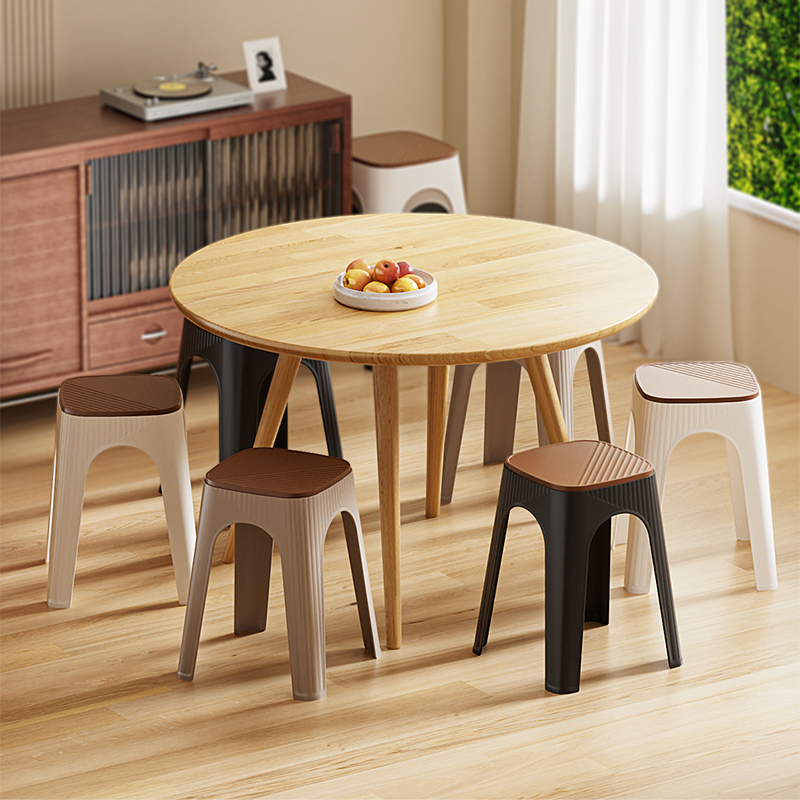
Revival of Classics: The Enduring Appeal of Eames-Style and Molded Plastic Chairs
Mid-century modern (MCM) plastic chairs remain highly desirable, with 1stDibs' 2025 Trend Report showing 23% of designers rank Eames-style models as the top vintage-inspired choice. Originally pioneered using fiberglass-reinforced plastics in the 1950s, today's versions use UV-stable polypropylene to deliver fade-resistant durability—ideal for sunlit kitchens and patios.
Ergonomic Aesthetics: How Form-Follows-Function Shapes Modern Plastic Chair Silhouettes
The sloped backs and tapered legs of MCM chairs were engineered for comfort, not just appearance. Core ergonomic features include:
- Contoured seats that reduce pressure points during extended use
- Splayed bases for stability without visual heaviness
- Lightweight construction (4–6 lbs) enabling easy rearrangement
Modern iterations enhance these principles with reinforced under-seat ribbing and breathable surface textures—improving function while honoring original design intent.
Case Study: Vintage-Inspired Kitchens and Living Rooms Featuring Colorful Mid-Century Plastic Chairs
An Architectural Digest 2024 feature highlighted a Brooklyn brownstone using mustard-yellow Eames-style plastic chairs with a reclaimed oak table. The homeowner achieved:
- 73% cost savings versus authentic vintage pieces
- Cohesion with 1960s-inspired pendant lighting
- Child-friendly, wipeable surfaces for everyday use
This demonstrates how modern plastic chairs offer an affordable, durable entry point into mid-century aesthetics.
Modern Materials: UV-Resistant, Eco-Friendly Plastics Reimagining Retro Designs
Innovative materials are updating classic silhouettes with greater sustainability:
| Material Innovation | Benefit | MCM Design Application |
|---|---|---|
| 40% Recycled ABS Plastic | Reduces landfill waste | Shell chair production |
| UV-Inhibited Polycarbonate | Prevents yellowing | Outdoor dining sets |
| Bio-Based PLA (Cornstarch) | Carbon-neutral decomposition | Limited-edition collections |
As emphasized in architectural design archives, the most successful retro-inspired pieces merge nostalgia with responsible material science—a formula ensuring lasting relevance in eco-conscious homes.
Minimalist and Space-Saving Plastic Chair Styles for Urban Living
Compact Living Trends: Demand for Lightweight, Stackable Plastic Chairs in Micro-Apartments
Over 68% of urban renters live in spaces under 600 sq. ft. (Urban Housing Report 2023), fueling demand for mobile, space-efficient seating. Stackable polypropylene chairs saw a 42% sales rise since 2021, with 83% of buyers citing apartment size as their primary reason (Furniture Today 2023).
Visual Lightness: How Sleek Profiles Reduce Clutter
Monochromatic matte finishes—such as white or charcoal gray—enhance optical spaciousness. A 2024 study found rooms with slim-profile plastic chairs appeared 19% larger than those with bulkier seating. Angular, armless designs now represent 76% of new urban-market chair releases.
Case Study: Tokyo’s Micro-Homes Utilizing Low-Profile Seating
In Shibuya’s 270 sq. ft. studios, designers combine translucent PETG chairs (averaging 4.6 lbs) with fold-down tables. This setup delivers full dining functionality in just 18 sq. ft.—32% less space than conventional arrangements (Tokyo Design Institute 2023).
Design Tip: Seamless Integration Through Finish Selection
Matte surfaces minimize light reflection, reducing visual clutter in tight spaces. Neutral tones like sand beige or slate blue help chairs blend into the background, contributing to a 14% perceived increase in floor space according to color psychology research.
Colorful Plastic Chairs as Bold Design Accents in Modern Decor
Statement Seating: Using vibrant plastic chairs to energize neutral room palettes
Bright plastic chairs really stand out against all those neutral walls and furniture these days. According to some recent industry research from last year, around two thirds of interior designers are now incorporating colorful seating options into their spaces. Colors such as deep blue or vibrant orange actually make rooms feel more lively compared to boring pastels or grays. Just imagine putting that bright red chair next to a gray couch set. It creates visual interest without completely clashing, especially when both pieces have similar shapes and proportions. Many homeowners find this approach works wonders for small living areas where they want something eye catching but still harmonious.
Color Coordination: Matching bold chair hues with existing decor elements
Effective color pairing ensures harmony. Terracotta or olive-green chairs complement earthy schemes with rattan or wood accents, while neon-yellow chairs contrast sharply against black-and-white geometric rugs. Design authorities recommend limiting bold seating to 15–20% of a room’s total color volume to avoid sensory overload.
Trend Insight: Seasonal rotation of colored plastic chairs as interchangeable design accessories
People are starting to see those lightweight plastic chairs not just as seating but as part of seasonal decorating schemes. About a quarter of city dwellers switch out their chair colors twice a year according to Home Decor Innovators report from last year. During summers folks tend to go for those light green chairs paired with some nice linen fabric, while when winter rolls around they swap them for richer shades like burgundy or earthy ochre. The fact that these chairs can be so easily changed over really speaks to what consumers want nowadays - furniture that grows along with their tastes without needing completely new pieces all the time.
FAQ Section
What are the benefits of plastic chairs in modern interior design?
Plastic chairs are versatile, affordable, and available in various styles. They offer durability and can be integrated into contemporary designs due to innovations in material engineering.
What are some popular trends in plastic chair design today?
Current trends include sculptural designs, transparent acrylic options, mid-century modern revivals, colorful statement pieces, and compact styles for urban living.
Are plastic chairs sustainable?
Yes, innovations such as UV-resistant and eco-friendly plastics are being used to remodel classic designs with greater sustainability. Many manufacturers offer recycling programs to reduce environmental impact.
How do acrylic chairs enhance small living spaces?
Acrylic chairs allow light to pass through, creating an illusion of space and openness in tight quarters. Their transparent nature can make rooms feel larger and more connected.
Table of Contents
-
The Evolution of Plastic Chairs in Modern Interior Design
- From Utility to Style: How plastic chairs became design staples in contemporary homes
- Design Principles: Balancing affordability, durability, and aesthetic innovation in plastic chair production
- Case Study: Scandinavian-inspired interiors using minimalist plastic chairs in urban apartments
- Trend Analysis: Rising demand for stylish and functional plastic furniture in modern living spaces
- Long-Term Value: Evaluating material quality and style longevity beyond initial cost
- Acrylic and Transparent Plastic Chairs: Minimalism Through Visibility
-
Mid-Century Modern and Iconic Plastic Chair Designs
- Revival of Classics: The Enduring Appeal of Eames-Style and Molded Plastic Chairs
- Ergonomic Aesthetics: How Form-Follows-Function Shapes Modern Plastic Chair Silhouettes
- Case Study: Vintage-Inspired Kitchens and Living Rooms Featuring Colorful Mid-Century Plastic Chairs
- Modern Materials: UV-Resistant, Eco-Friendly Plastics Reimagining Retro Designs
- Minimalist and Space-Saving Plastic Chair Styles for Urban Living
- Colorful Plastic Chairs as Bold Design Accents in Modern Decor
- FAQ Section