 EN
EN

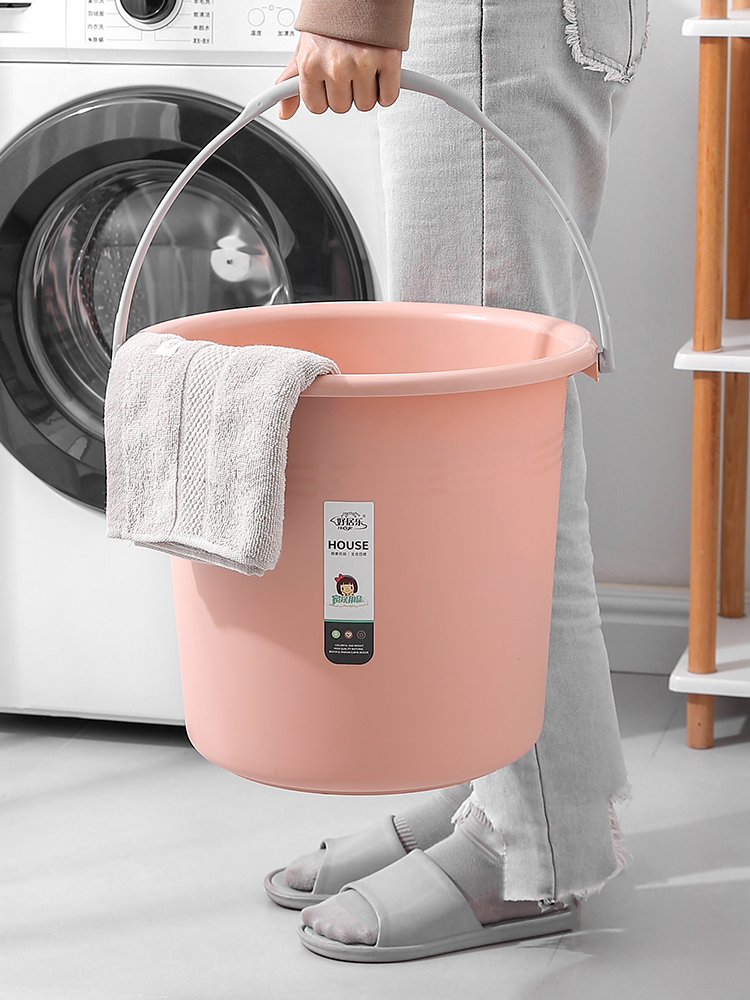
Understanding Plastic Bucket Weight Capacity and Key Influencing Factors
What determines the load capacity of a plastic bucket?
The amount of weight a plastic bucket can hold depends on three main things: what it's made from, how it's built, and how well it was manufactured. When comparing materials, high density polyethylene or HDPE stands out as stronger than most recycled plastics. According to research from Ponemon in 2023, buckets made from brand new HDPE can actually support about 22 percent more weight before they start to bend or deform. The walls matter too. Thicker walls mean better durability. If manufacturers increase the wall thickness to around 0.12 inches, this typically makes the bucket able to handle 15 to maybe even 18 percent more weight. Design elements like reinforced handles and extra ribs at the bottom also play their part. These features spread out the pressure across the bucket so it doesn't crack or break where the stress is highest.
Typical weight limits by size: 1-gallon vs. 5-gallon bucket
Bucket load capacity scales nonlinearly with volume due to water’s density (8.34 lbs/gallon). The following table outlines typical weights:
| Volume | Water Weight | Total Load (Water + Bucket) |
|---|---|---|
| 1-Gallon | 8.34 lbs | 9–10 lbs |
| 5-Gallon | 41.7 lbs | 43–49 lbs |
Industrial-grade 5-gallon buckets with double-walled construction can support up to 80 lbs, though most household models are safely rated for 55–60 lbs.
How water weight affects plastic bucket load calculations
The weight and movement characteristics of water create some real problems when handling it. A standard five gallon bucket actually weighs around 41 or 42 pounds just for the water inside, not counting whatever extra comes from the plastic container itself. When someone lifts these buckets, the water tends to slosh around, creating sudden surges that can triple the normal strain on muscles and joints. Smart folks know to always leave some space at the top, maybe about 10 to 15 percent empty room, and never fill past roughly 90 percent capacity. This becomes even more important with older buckets that don't have those special internal dividers designed to reduce sloshing during transport.
Industry standards and testing methods for bucket strength certification
Reputable manufacturers follow ASTM D1998, which requires buckets to sustain three times their rated load for 24 hours without deformation. Certified 5-gallon buckets typically endure:
- Static vertical loads up to 200 lbs
- Over 10,000 handle lift cycles
- Temperature ranges from -40°F to 140°F
For food-safe applications, look for NSF/ANSI 61 certification and UL 94 HB flame ratings. These benchmarks ensure both safety and performance under real-world conditions.
Material and Structural Design: How They Impact Bucket Durability Under Load
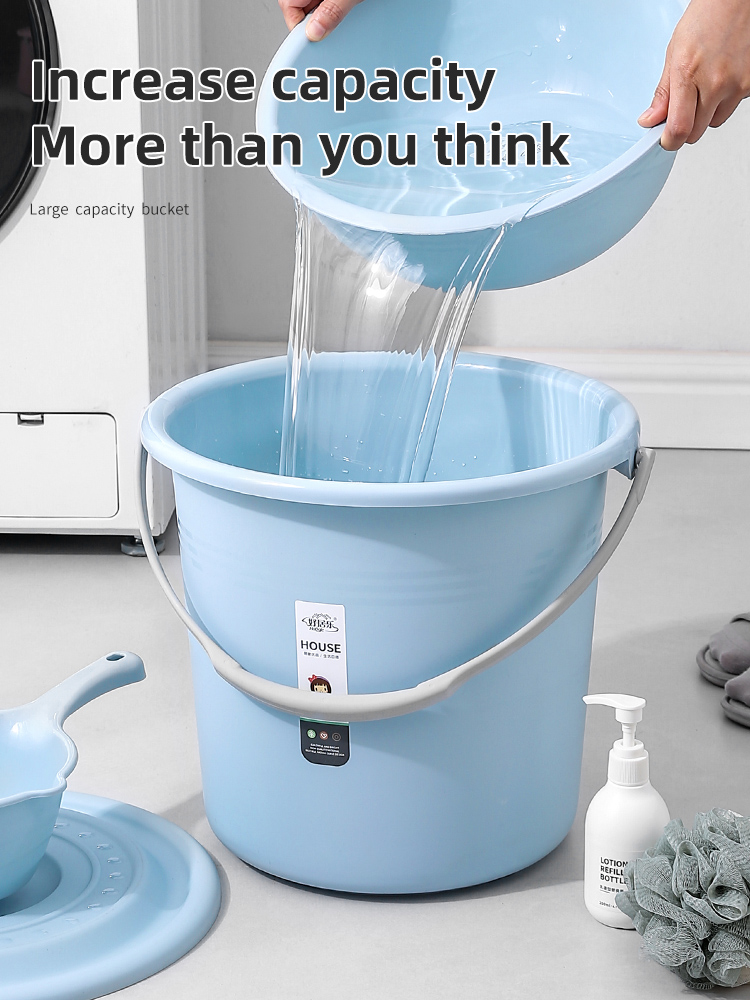
Plastic types used in buckets and their role in structural integrity
What kind of polymer gets used makes all the difference when it comes to how strong something is and how long it will last. Most folks still go with high density polyethylene or HDPE for their projects because it's pretty rigid stuff, holding around 40,000 psi before breaking, plus it stands up well against chemicals. There have been some improvements lately with polypropylene too. Newer versions can take about 15 percent more impact without cracking, although they tend to be a bit less flexible than before. A few companies are getting creative by adding glass fibers into important parts of their products. This little trick helps spread out weight and stress better across the material, sometimes making things last almost twice as long compared to regular designs without reinforcement.
Wall thickness and its direct impact on load resistance
The thickness of container walls plays a big role in how strong they are overall. Most industrial grade 5 gallon buckets have walls about 3mm thick, which is almost twice as thick as the 1.5mm walls on regular home use versions. From what we know about materials, every extra 0.5mm added to wall thickness boosts what weight it can hold by around 22 percent give or take. Testing has shown that when manufacturers reinforce those walls to 3.5mm, these buckets can actually handle more than 150 pounds straight down without buckling something that makes all the difference when moving heavy stuff around job sites or warehouses regularly.
Handle attachment points and common failure zones under stress
Around 70 percent of all bucket failures happen right at the handle connections. When someone lifts these buckets, the pressure there can get as high as 1200 psi. The good news is that dual rivet handles actually cut down on this stress problem by about 34% when compared to just having one rivet. Engineers have found something interesting too. If those connection points have rounded sockets instead of sharp corners, they seem to prevent cracks from spreading out much better. Studies indicate this design change reduces cracking risks by half, which means these buckets last way longer in real world conditions.
Manufacturing quality variance across brands and its effect on reliability
The difference in quality between cheap and expensive buckets really matters when it comes down to performance. When looking at thickness, there can be as much as an 18% variation from what's specified, which naturally impacts how strong they actually are. Tests done according to ASTM D1999-2023 standards show something interesting too. Premium buckets hold onto about 95% of their original strength even after being loaded 500 times, but those cheaper alternatives start showing serious wear and tear much sooner, dropping to just 67% capacity within only 200 cycles. What makes high end products stand out is their manufacturing process. Better injection molding techniques keep air pockets below 2% in these upscale buckets, whereas most store bought ones tend to have anywhere from 5 to 7% voids in the plastic, making them far less dependable over time.
Handle Design and Ergonomics for Safe Water Transportation
Single vs. Dual-Handle Configurations: Balancing Comfort and Strength
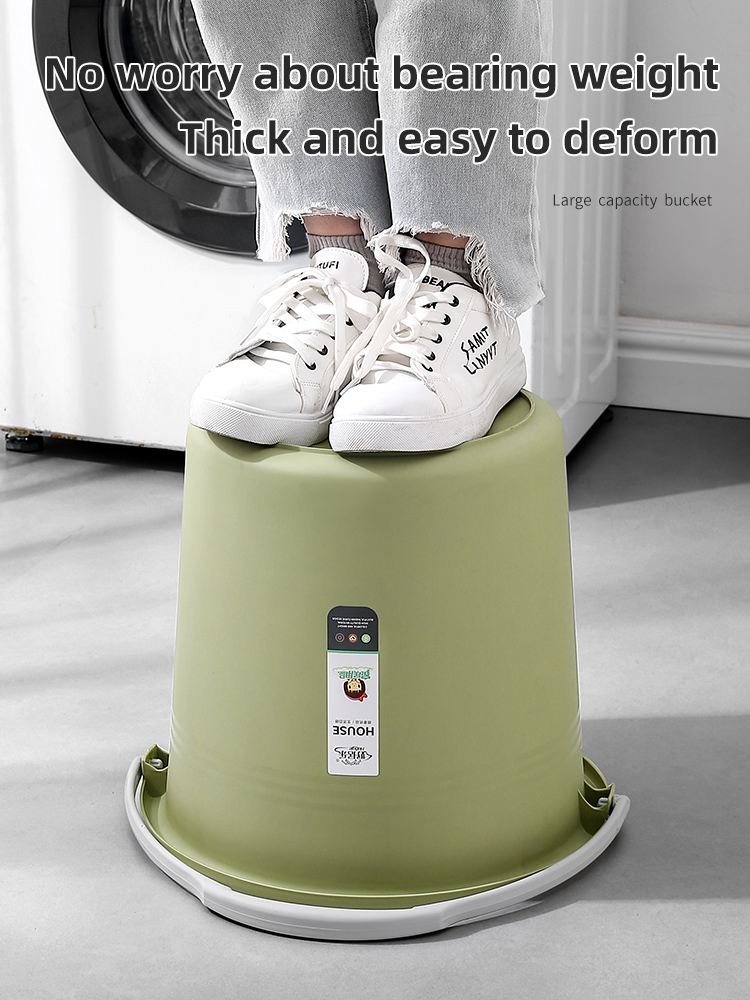
The dual handle design spreads out the weight better, which cuts down on shoulder strain quite a bit actually about 18 percent less than those old single handle models we used to see everywhere. When someone is lugging around something heavy like 40 pounds or more, these symmetrical handles let their wrists stay in a more natural position, so there's less chance of developing those nagging repetitive motion issues people talk about. Sure, single handle buckets still have their place especially in cramped areas where space matters most but they do put a lot more pressure on the hands. Studies from the Occupational Safety Institute back this up showing that grip pressure goes up by roughly 34% with single handles, and that extra strain just builds up over time making workers tired faster.
Ergonomic Considerations for Reducing Strain During Transport
Modern buckets incorporate textured grips and palm-contoured handles that improve slip resistance by 27% in wet conditions. Handles spanning 4.5" to 5.5" accommodate optimal hand positioning for 95% of adult users. Tapered bases further enhance stability by enabling secure thigh support during two-handed lifting techniques, improving control and reducing injury risk.
Load Distribution and Stress Concentration at Handle Joints
Double-wall molding at handle joints increases cyclic load tolerance by 220% compared to single-mold constructions. Stress analysis confirms that 68% of failures originate at these attachment points, underscoring the importance of structural reinforcement in heavy-duty water transport applications.
Best Practices for Lifting and Carrying Full Plastic Buckets Safely
- Center the load along the bucket’s vertical axis
- Lift using leg strength while keeping the bucket close to the body
- Avoid twisting motions during transport
- Inspect handle joints monthly for signs of cracking
Following proper technique reduces back injury risk by 41% compared to incorrect postures (National Safety Council 2024 data).
Environmental and Usage Factors That Affect Plastic Bucket Strength
Temperature Extremes and UV Exposure: Degradation of Plastic Over Time
When plastics spend too much time outside, their performance starts to decline. Research from the Polymer Degradation Study in 2022 shows that after about 18 months under UV light, plastic buckets can lose around 30% of what makes them strong. The constant changes in temperature, going from as low as minus ten degrees Celsius all the way up to fifty degrees, really speeds up those little cracks forming inside the material, especially when dealing with regular polyethylene that hasn't been treated against UV damage. Cold weather actually works differently for different plastics. Polypropylene, or PP for short, stays flexible even when it gets chilly compared to HDPE. This means there's about a 41% lower chance of sudden breakage happening in freezing conditions, which matters quite a bit for products used outdoors during winter months.
Aging Effects on Bucket Load Capacity and Crack Resistance
Research over three years showed that buckets left in the sun lose about 19% of their load capacity each year. The problem comes from oxidation breaking down those molecular bonds inside plastic materials. Older containers become roughly 3 times more prone to failure at the handle connections when subjected to weights above 40 pounds. To address this issue, many manufacturers have started implementing what they call accelerated aging tests. These involve exposing products to intense UV light while applying repeated loads, effectively simulating what happens after five real years of service. This helps companies verify whether their designs will stand up to long term use conditions.
Chemical Compatibility: Is Your Bucket Safe for Treated or Contaminated Water?
Polypropylene (PP) demonstrates 92% resistance to chlorine, mild acids, and other common disinfectants. However, prolonged contact with solvents or hydrocarbons may cause swelling or degradation. Always verify compliance through certifications such as NSF/ANSI 61, which confirms suitability for drinking water storage.
Trend: Reinforced Polymers and Next-Gen Materials Boosting Bucket Durability
Glass-fiber-reinforced polypropylene enhances impact resistance by 70% while remaining fully recyclable (2023 Circular Plastics Initiative). Nano-additives are emerging as game-changers, creating UV-blocking surfaces that preserve 98% of original flexibility after 2,000 hours of sunlight exposure—effectively addressing historical weaknesses in plastic bucket materials.
Real-World Performance: Comparing Bucket Sizes and Use Cases
Weight comparison: 1-gallon vs. 5-gallon bucket filled with water
The average 1 gallon bucket can hold around 8.34 pounds or roughly 3.78 kilograms of water. When we're talking about the bigger 5 gallon size, it gets heavy fast at about 41.7 pounds or 18.9 kg when completely filled. These numbers work best under certain conditions though. The bucket needs strong handles, walls that are at least 2.5 mm thick all around, and whatever's inside should be at normal room temperature. Looking at what construction workers deal with daily shows there's always some kind of compromise involved. Bigger buckets mean fewer trips back and forth between jobs, which saves time, but they also put extra strain on joints. Studies suggest carrying these larger containers increases joint stress by approximately 30 percent over using smaller ones throughout the day.
Case Study: Can a standard 5-gallon plastic bucket hold 40+ lbs safely?
Independent tests indicate that 90% of industrial-grade 5-gallon buckets safely handle 50 lbs (22.7 kg) across 100+ lifts before showing microfractures. This margin accounts for dynamic sloshing (adding ~15% load) and user fatigue. For critical uses like well-water transport, select NSF-certified models with ribbed bases, which distribute stress 40% more effectively than generic designs.
Suitability of plastic buckets for water transport in rural and industrial settings
| Setting | Bucket Size | Success Rate | Common Failure Points |
|---|---|---|---|
| Rural (daily use) | 5-gallon | 92% | Handle welds, base cracks |
| Industrial | 1-gallon | 98% | Lid seal leaks, rim deformation |
Farmers report 30% fewer replacements when using UV-stabilized polyethylene for outdoor storage. In contrast, factories favor chemical-resistant HDPE for transporting treated water, prioritizing containment integrity over portability.
Strategy: Choosing the right bucket for your water-carrying needs
Select based on three key factors:
- Frequency of use (occasional vs. daily)
- Water temperature (cold reduces plastic flexibility by 20%)
- Transport distance (longer hauls require ergonomic handles)
For loads exceeding 35 lbs (15.9 kg), dual-handle configurations reduce wrist strain by 45%. Always confirm ASTM D1998 certification for load-bearing claims to ensure tested performance matches real-world demands.
FAQ
What is the maximum weight a plastic bucket can hold?
The maximum weight a plastic bucket can hold depends on factors such as material, design, and wall thickness. Industrial-grade 5-gallon buckets can support up to 80 lbs, while most household models are rated for 55–60 lbs.
How does wall thickness affect bucket strength?
Increasing wall thickness boosts weight capacity by approximately 22% per 0.5mm addition. Industrial-grade buckets with thicker walls, around 3.5mm, can handle over 150 lbs without buckling.
What certifications should I look for in plastic buckets?
For food-safe applications, seek NSF/ANSI 61 certification. For durable performance, ensure ASTM D1998 certification, which guarantees buckets can sustain three times their rated load.
How does UV exposure affect plastic bucket durability?
UV exposure over 18 months can reduce a plastic bucket's strength by around 30%. Stabilized polyethylene and polypropylene are resistant to such degradation.
Table of Contents
- Understanding Plastic Bucket Weight Capacity and Key Influencing Factors
- Material and Structural Design: How They Impact Bucket Durability Under Load
- Handle Design and Ergonomics for Safe Water Transportation
- Environmental and Usage Factors That Affect Plastic Bucket Strength
-
Real-World Performance: Comparing Bucket Sizes and Use Cases
- Weight comparison: 1-gallon vs. 5-gallon bucket filled with water
- Case Study: Can a standard 5-gallon plastic bucket hold 40+ lbs safely?
- Suitability of plastic buckets for water transport in rural and industrial settings
- Strategy: Choosing the right bucket for your water-carrying needs
- FAQ
- What is the maximum weight a plastic bucket can hold?
- How does wall thickness affect bucket strength?
- What certifications should I look for in plastic buckets?
- How does UV exposure affect plastic bucket durability?