 EN
EN


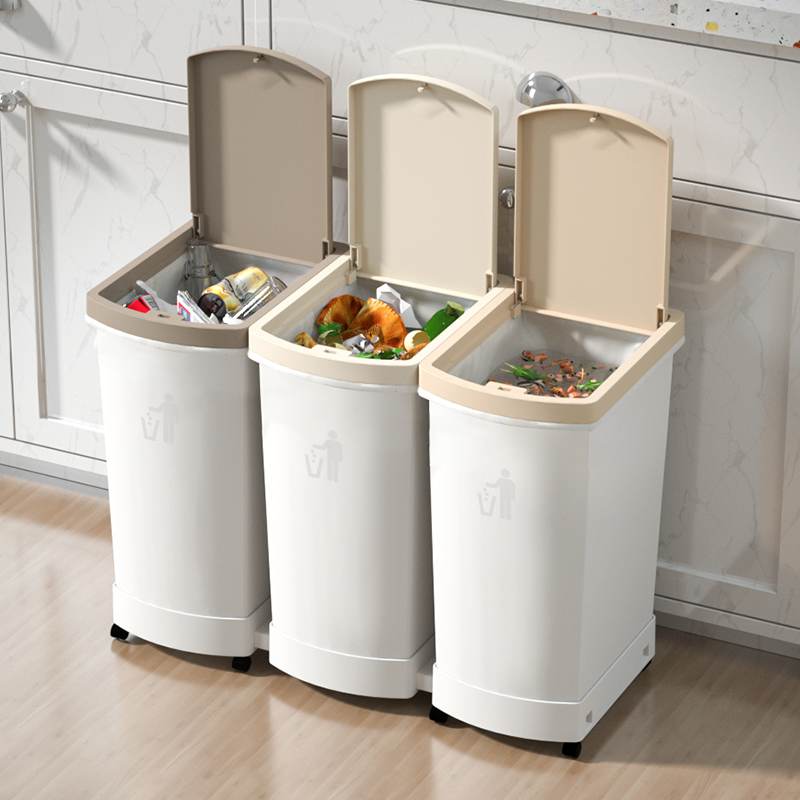
In both residential homes and commercial establishments across the globe, keeping a clean and hygienic environment is always a top priority for health and well-being. As daily routines produce various organic refuses and discarded items, managing waste effectively without triggering cross-contamination remains a persistent operational challenge. Drawing from extensive, hands-on experience in public health facility management and commercial sanitation consulting across multiple international markets, it is abundantly clear that physical touchpoints in waste disposal represent a major vector for microbial transfer. Among the wide array of containment options available on the market today, the classic step-on garbage can stands out as an indispensable tool for minimizing pathogen spread, seamlessly bridging the gap between everyday convenience and rigorous sanitary safety. When evaluating hygiene standards in modern settings, understanding the mechanical and material advantages of these receptacles is essential for maintaining optimal health conditions and long-term cleanliness.
The Engineering Behind Touchless Germ Prevention
The traditional perception of waste disposal often overlooks the invisible risks associated with manually lifting container lids. When individuals discard refuse in open bins or manually operated containers, their hands come into direct contact with contaminated surfaces that frequently harbor harmful bacteria, viruses, and fungi. From a technical standpoint, a well-engineered step-on garbage can utilizes a mechanical foot-pedal mechanism that entirely eliminates hand contact with the lid. This kinematic design ensures that users' hands remain completely clean throughout the disposal process, effectively interrupting the chain of infection in busy residential kitchens, restrooms, and public facilities alike. By isolating the physical touchpoint to a durable foot-operated lever, the probability of transferring microorganisms from the waste receptacle to skin surfaces is dramatically reduced, providing a safer environment for everyone involved in daily operations.
Structural Sealing and Advanced Odor Control
Beyond initial touch elimination, effective germ control relies heavily on how securely waste is isolated from the surrounding atmospheric environment. Inferior bins frequently feature loose-fitting lids or warped structures that leave microscopic gaps, allowing airborne bacteria, volatile organic compounds, and unpleasant odors to escape into living or working spaces. Professional-grade manufacturing protocols, such as those utilized by WEITAI, prioritize precision engineering at the critical lid-to-body interface of every garbage can. By integrating tight-seal gasket designs and balanced mechanical hinge systems, modern manufacturers ensure that the lid snaps shut tightly immediately after the foot pedal is released. This airtight or tightly sealed containment effectively prevents flying insects from accessing the refuse and stops pathogens from dispersing into the ambient air, thereby protecting indoor air quality, occupant comfort, and public health standards across diverse environments.
Material Hygiene and Resistance to Microbial Growth
The choice of construction material plays a pivotal role in determining the long-term sanitary performance of any waste receptacle. Traditional metal containers can rust, corrode, or pit in moisture-rich environments like kitchens and bathrooms, creating porous micro-surfaces where bacteria can easily colonize and multiply. In contrast, modern high-grade polymer garbage can options are forged from advanced engineering plastics that are inherently moisture-resistant, non-porous, and remarkably easy to sanitize. These smooth polymer surfaces discourage biofilm formation and withstand frequent chemical disinfection protocols without degrading or losing their structural finish. When facility managers and homeowners invest in these durable, premium-grade materials, they are selecting a containment solution that actively resists microbial retention and maintains its pristine hygienic integrity over years of intensive daily use.
Economic and Operational Value in High-Traffic Zones
For commercial enterprises—ranging from food service establishments and healthcare waiting rooms to corporate office complexes—the procurement of proper waste management infrastructure is a critical investment in overall operational safety. The hidden costs of inadequate waste containment include increased employee absenteeism due to illness and heightened risks of cross-contamination among staff and visitors. Deploying reliable step-on garbage can units across high-traffic areas streamlines sanitation protocols, reduces daily cleaning maintenance time, and demonstrates a tangible commitment to hygiene standards. It is a strategic procurement decision that safeguards public health while optimizing daily maintenance workflows, proving that robust sanitation engineering directly supports long-term commercial success, customer trust, and operational resilience.
Integrated Manufacturing Solutions and Supply Reliability
Achieving top-tier sanitary standards on a global scale requires far more than clever product design—it demands an extensive, fully integrated manufacturing backbone. WEITAI exemplifies this advanced operational model by seamlessly synchronizing individual product design with high-volume, precision manufacturing. By maintaining professional production workshops equipped with advanced automated machinery, WEITAI ensures that every garbage can meets stringent quality protocols, ranging from rigorous foot-pedal durability tests to environmental stress evaluations. Partnering with a manufacturer that combines over thirty years of deep industry expertise with a dependable supply chain ecosystem provides clients with the stability needed in today’s competitive marketplace, ensuring that modern hygiene and waste management demands are consistently met with exceptional technical execution and unmatched supply reliability.