 EN
EN

Why Stackable Plastic Storage Boxes Are the Smartest Vertical Space Solution
Getting creative with vertical space can turn messy rooms into neat storage zones, and stackable plastic bins do this job better than most alternatives out there. These boxes come in standard sizes and have those clever locking features that let them stack all the way to the ceiling, turning empty air above our heads into usable storage spots. Real estate matters a lot in cities and businesses where good floor space costs an arm and a leg sometimes. Regular baskets just don't cut it when it comes to holding weight properly. These plastic containers stay upright even when loaded down thanks to their reinforced edges and non-slip bottoms, handling around 50 pounds each without tipping over. People often store holiday decorations, extra supplies, or old paperwork in these stacks instead of buying more shelves, which saves money on furniture and makes better use of available space. What we get at the end is something flexible enough to grow with changing requirements, yet keeps everything within sight, clean from dust, and ready to grab whenever needed.
Key Structural Features That Ensure Safe, Stable Stacking
Material Choice: How HDPE and Polypropylene Affect Load Capacity and Long-Term Stability
When it comes to making those heavy duty stackable storage boxes, most manufacturers rely on either HDPE or polypropylene because each has unique properties that work well together. HDPE stands out for how tough it is against impacts and bending forces. Some lab tests actually show it can handle about 30 percent more crushing force compared to regular polyethylene products. This material also has just enough give so boxes can be stacked pretty deep without developing cracks or stress fractures after years of sitting around. On the other hand, polypropylene wins when dealing with harsh chemicals and heat. These boxes can survive temperatures as high as 120 degrees Celsius, which makes them ideal for workshops where people store paint thinners or garages that get really hot during summer. Both plastics keep their shape even through repeated freezing and thawing cycles, something that saves headaches when boxes start warping and won't stack properly anymore. Smart companies mix different polymer ratios and adjust wall thickness carefully to find the sweet spot between being rigid enough to hold weight but still flexible enough not to break. The result? Storage units that easily carry over 200 kilograms in neat towers for many years whether they're used at home or in small businesses.
Design Elements That Prevent Toppling: Interlocking Edges, Reinforced Corners, and Lid-Locking Systems
Three integrated design features work in concert to eliminate tipping risks in tall vertical configurations:
- Interlocking rim systems create positive mechanical engagement between adjacent boxes, distributing lateral shear forces across the full stack rather than concentrating them at individual contact points
- Molded corner reinforcements, often ribbed or double-walled, add 15–20% localized structural rigidity precisely where compression and impact stresses converge
- Four-point latching lids maintain center-of-gravity alignment and prevent accidental opening—critical for preserving column cohesion during access or incidental contact
The different parts work together really well. The edges that fit together stop things from sliding sideways when pushed. The corners are extra strong so they can handle both downward pressure and knocks from the sides. And those locking mechanisms keep everything connected as one solid piece that actually supports weight. Labs have tested this stuff too. When they stack eight units on top of each other, they stay put even when someone applies about 50 kilograms of sideways force. That makes these storage solutions great for places where people move around a lot like family homes, busy workshops, or behind the scenes areas in stores where space matters most.
Choosing the Right Storage Box for Your Specific Use Case
Heavy-Duty, Collapsible, Clear, and Lidded Options — Matching Form to Function
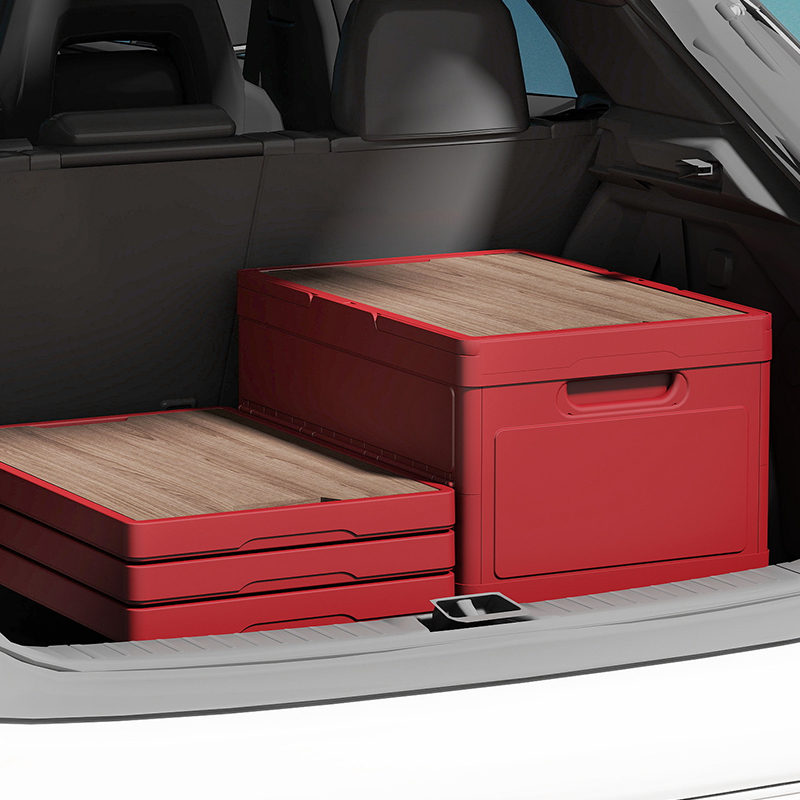
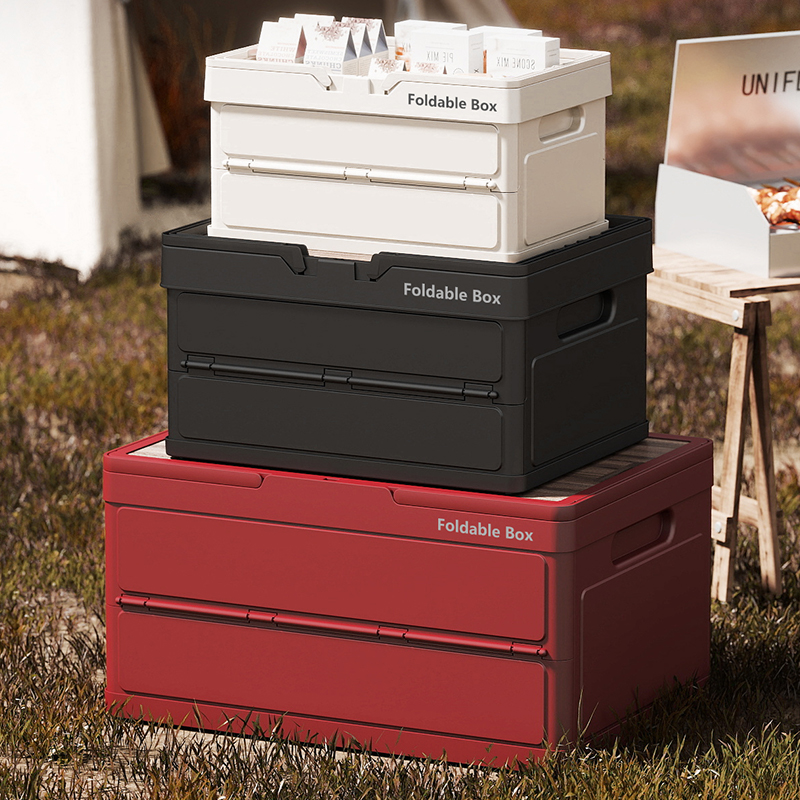
Picking the correct storage box really comes down to what it will actually hold day to day rather than grabbing whatever's on sale. For places like workshops or document storage areas, go for those heavy duty boxes with extra thick walls and strong base reinforcements since they need to handle everything from power tools to delicate paperwork without breaking under pressure. The foldable type made from fabric reinforced plastic with metal frames are great because they can be set up quickly whenever needed and then flattened out completely when not in use. These work wonders for people who need to switch between summer clothes and winter gear in small closet spaces. Transparent containers made of clear plastic let users see exactly what's inside without opening them all the time, which saves tons of frustration when hunting through craft kits or trying to find that specific spice jar in the pantry. Boxes with lids sealed properly against moisture and dust are essential for protecting valuable items like family photos or important papers stored away in less than ideal conditions such as garages or old attic corners. When shoppers focus more on how well something works instead of looking fancy, they tend to buy fewer boxes overall while making better use of available wall space. Studies indicate that organizing stuff this way cuts down on searching around for things by about half in most households.
Measuring Real-World Impact: Space Savings, Accessibility, and ROI of Vertical Storage
Plastic stackable storage containers offer real advantages in three main areas: getting back floor space, better access to stored items, and saving money over time. When people stack these boxes vertically instead of just piling them horizontally, they can often double their storage capacity without needing extra room. This means no need for expensive building expansions or moving operations elsewhere. For city apartments and small shops especially, stacking vertically turns those awkward spaces nobody uses into proper storage solutions. Think about that tight hallway between rooms or the empty space beneath stairs. Just putting boxes there makes a huge difference. Plus, finding what's needed takes much less time too. Studies show folks spend about two thirds less time hunting for stuff when things are stacked neatly rather than spread out everywhere. That saves time throughout the day and keeps operations running smoother overall.
Case Evidence: Urban Apartments and Small Businesses Regain Up to 37% Floor Area with Strategic Stacking
Real world applications keep showing impressive improvements in space usage. When looking at how well different spaces work, especially in crowded city apartments and busy retail stores packed with goods, we typically see about 30 to 37 percent more usable floor space once proper vertical stacking methods are put in place. Take one clothing store for instance. They had this narrow hallway taking up around 20 square feet but wasn't really being used properly. By turning it into a vertical storage tower holding 42 standard sized boxes, they ended up with roughly what would normally take 65 square feet worth of regular shelves. This freed up valuable space right near where customers walk in, allowing them to create better product displays that actually bring in money. We've seen similar results across many other locations too.
- 15–25% reduction in heating and cooling energy use from smaller conditioned zones
- 50% faster inventory access cycles via logical vertical zoning (e.g., “frequently used” at eye level, “seasonal” above)
- 12–18 month average ROI, driven by avoided expansion costs, labor savings from reduced search time, and extended furniture lifecycle
FAQs About Stackable Plastic Storage Boxes
What materials are commonly used for stackable plastic storage boxes?
Most manufacturers use either HDPE (High-Density Polyethylene) or polypropylene, each offering unique advantages such as impact resistance and chemical durability.
How do these storage boxes maintain stability when stacked?
Design features like interlocking edges, reinforced corners, and lid-locking systems work together to ensure safe and stable stacking.
What are some effective use cases for stackable storage boxes?
They are ideal for workshops, document storage, wardrobe organizing, and any situation requiring efficient use of vertical space.
What is the typical return on investment for using stackable storage solutions?
The ROI can average 12–18 months, with benefits including cost savings from avoided expansions and reduced search times for stored items.
Table of Contents
- Why Stackable Plastic Storage Boxes Are the Smartest Vertical Space Solution
- Key Structural Features That Ensure Safe, Stable Stacking
- Choosing the Right Storage Box for Your Specific Use Case
- Measuring Real-World Impact: Space Savings, Accessibility, and ROI of Vertical Storage
- FAQs About Stackable Plastic Storage Boxes