 EN
EN


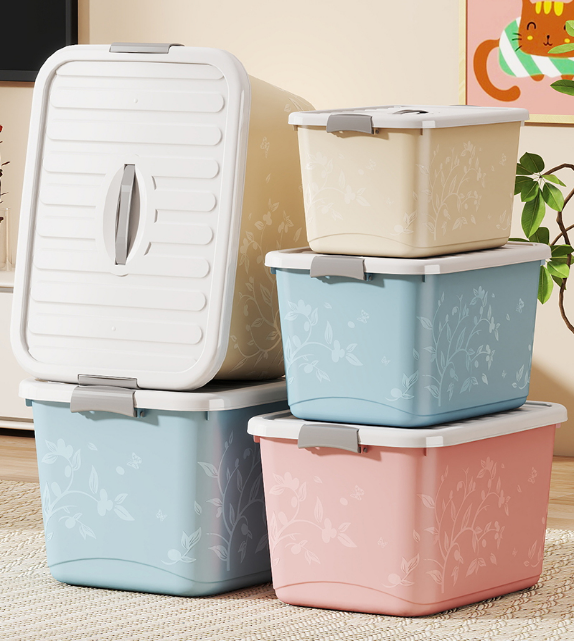
The Standard Thermoforming Timeline for Custom Storage Boxes
Why Thermoforming Is the Preferred Method for Mid-Volume Custom Storage Box Production
For orders of 500–5,000 units, thermoforming outperforms injection molding in speed and cost-efficiency. Tooling development completes in 2–8 weeks—versus 12–16 weeks for traditional molds—accelerating time-to-market by 60%. This agility reduces capital risk and enables faster design iteration, especially critical when launching specialized storage box configurations with integrated dividers or embossed branding. Production begins within 1–2 weeks post-tool approval, slashing inventory costs by 19% compared to slower methods.
Five-Stage Workflow: Design → Mold Development → Prototype Validation → Tooling Finalization → Production Launch
A streamlined sequence minimizes delays:
- Design Finalization (1–2 weeks): CAD models define wall thickness, interlock mechanisms, and load-bearing ribs
- Mold Fabrication (3–6 weeks): CNC-machined aluminum molds support rapid revisions
- Prototype Validation (5 days): Physical samples verify dimensional accuracy and drop resistance
- Tooling Adjustments (3–5 days): Refinements based on stress analysis
- Full Production (1–2 weeks): Automated trimming and quality checks ensure batch consistency
This phased approach delivers total lead times of 6–10 weeks—22% faster than industry averages for comparable volumes.
Mold Development: The Critical Path for Storage Box Customization
Mold creation is the single largest determinant of your custom storage box timeline. Selecting the right tooling material—and anticipating design complexity—directly shapes delivery schedules.
Aluminum vs. Steel Molds: Lead Times of 2–6 Weeks vs. 10–16 Weeks
Aluminum molds deliver prototypes in just 2–6 weeks, making them ideal for urgent validation runs under 5,000 units. Their softer composition accelerates machining but limits durability. Hardened steel molds require 10–16 weeks to complete and are reserved for high-volume production exceeding 5,000 units. While steel extends lead times by 250% versus aluminum, it supports millions of cycles without degradation—Plastic Processing Benchmark 2023.
How Design Complexity Extends Mold Timeline by 7–12 Days
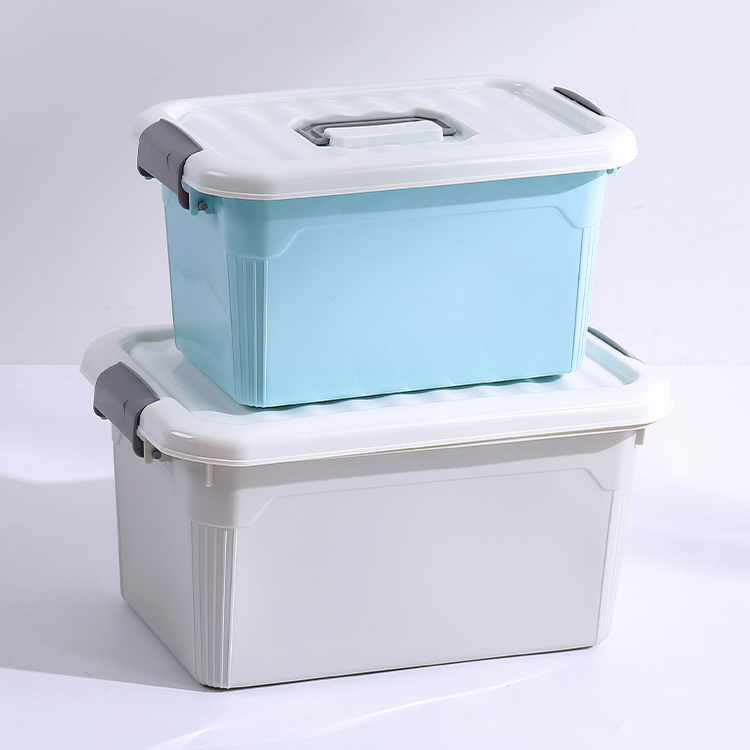
Undercuts, multi-cavity layouts, and surface textures each introduce measurable delays:
- Undercuts require slide mechanisms for part ejection (+3–5 days)
- Multi-cavity layouts demand precision alignment (+2–4 days)
-
Surface textures, such as wood grains, need specialized etching (+2–3 days)
Combined, these features can extend mold development by 7–12 days per revision cycle—especially impactful when design changes occur after initial tooling approval.
How Order Volume Directly Affects Custom Storage Box Lead Time
Volume-Based Tooling Strategy
Order quantity dictates your optimal tooling path—and therefore your timeline:
- <500 units: Proto-tooling (3D-printed or machined soft molds) cuts initial development to 1–2 weeks but sacrifices long-term durability
- 500–5,000 units: CNC-machined aluminum molds balance 4–6 week tooling lead times with robust production performance
- >5,000 units: Hardened steel molds extend development to 10–16 weeks yet enable high-volume, long-run reliability
This tiered strategy prevents over-investment while aligning tooling capability with actual production needs—essential for scalable storage solutions.
Time-Saving Accelerators: Digital Mold Simulation and Rapid Aluminum Machining
Advanced digital workflows significantly compress timelines. Finite element analysis (FEA) simulates material flow and stress points before metal cutting, eliminating 3–5 physical prototype iterations. Paired with high-speed 5-axis CNC machining for aluminum molds, this reduces tooling phases by 7–12 days. Real-world implementations show these technologies shrinking total project timelines by 22% versus traditional methods—enabling rapid customization without compromising structural integrity, particularly for storage boxes with partitions or integrated handles.
Real-World Timeline Benchmark: From Approval to Delivery of Custom Storage Boxes
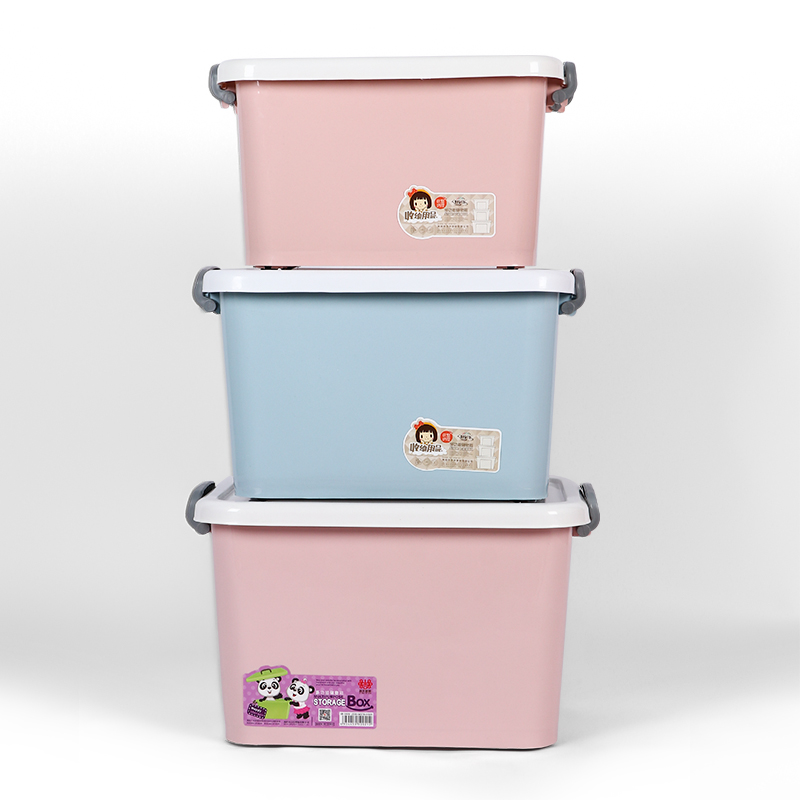
From finalized design to warehouse-ready delivery, custom thermoformed storage boxes typically ship in 8–24 weeks—with mold development consuming 40–60% of that window. Projects under 500 units using rapid tooling can reach delivery in as little as 8 weeks; high-volume steel mold production (>5,000 units) extends to 20–24 weeks due to extended validation and scaling requirements. Design complexity remains the most volatile variable: undercuts or specialty textures add 7–12 days to prototyping. Manufacturers prioritize clients with locked specifications and volume guarantees—late-stage alterations cause 68% of project delays, according to industrial production analyses. Early adoption of digital mold simulation reduces validation cycles by 22%, accelerating time-to-market for urgent storage solutions.
FAQ
Why is thermoforming preferred for mid-volume custom storage box production?
Thermoforming is preferred due to its speed and cost-efficiency, especially for orders between 500–5,000 units. It accelerates time-to-market by reducing tooling development time to 2–8 weeks and slashes inventory costs.
What is the typical lead time for a thermoformed custom storage box?
The lead time ranges from 6 to 10 weeks, which is 22% faster than industry averages for comparable volumes.
How does order volume affect lead time?
Order volume determines the appropriate tooling strategy. For instance, smaller orders use proto-tooling for quick development, while larger orders require more durable molds, leading to longer lead times.
What role does mold material play in the production timeline?
Mold material is crucial. Aluminum molds offer faster development, making them suitable for urgent runs, while steel molds provide long-term durability for high-volume production but take longer to develop.